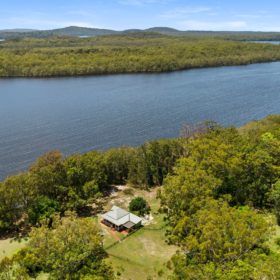
NSW holiday cottage home to green hydrogen SAPS trial
A holiday house in New South Wales is thought to be the first residential property in Australia to make the switch to a hybrid solar and green hydrogen standalone power system with network service provider Essential Energy trialling the off-grid technology.
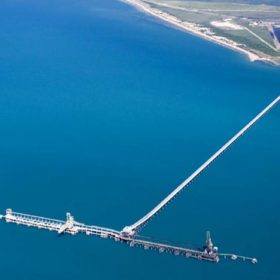
International consortium accelerates green ammonia export plans
Australian renewables developer Energy Estate has signed a consortium of “globally recognised partners” to accelerate the development of a large-scale green hydrogen and ammonia production and export facility in north Queensland.
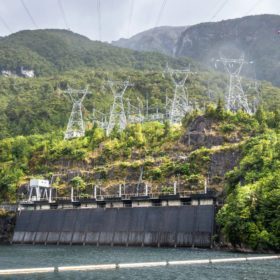
Woodside selected to deliver NZ green hydrogen megaproject
Woodside has won out over Fortescue Future Industries to deliver the proposed Southern Green Hydrogen megaproject in New Zealand’s Southland. The 600 MW project intends to produce green hydrogen for export using power from partner Meridian Energy’s hydroelectric plant.
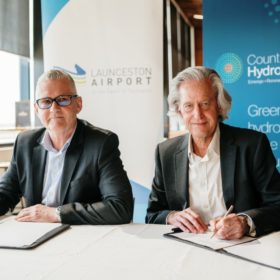
ReNu completes capital raise to progress Australian, Indonesian green hydrogen projects
Queensland-based ReNu Energy has announced “firm commitments” for a capital raising of $4.5 million (USD 3 million) which it says will progress its green hydrogen projects in both Brighton and Launceston in Tasmania, as well as in Indonesia’s Riau Archipelago.
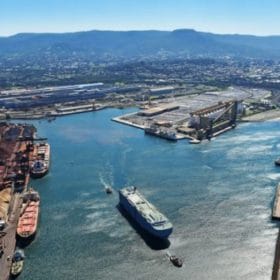
New US policy ‘devastating’ for Australia’s green hydrogen ambitions, says investment manager
Cofounder of Quinbrook Infrastructure Partners, David Scaysbrook, says the US Inflation Reduction Act can make Australia a green energy superpower – but not in the way we expect. The policy will fundamentally undercut Australia’s competitiveness exporting green hydrogen, but offers giant opportunities for critical materials. Scaysbrook also expects Australia’s 2023 to be lean in terms of renewable investment, especially when it comes to “vanilla” projects.
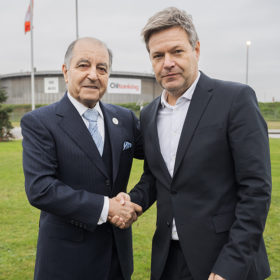
Germany to import green ammonia from Saudi Arabia from 2026
Germany has decided to build its first green ammonia import terminal in Hamburg, in collaboration with Air Products. Egypt, meanwhile, has signed $128 billion of hydrogen framework agreements.
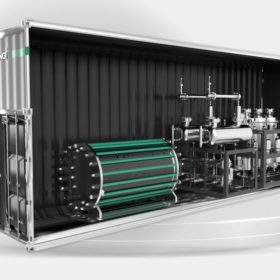
Is hydrogen about to have its solar moment?
As Longi and other solar manufacturers kick off massive growth in hydrogen generation capacity, expect large price decreases resulting from steep learning curves, echoing the rapid advances experienced by the solar power industry since the 1970s.
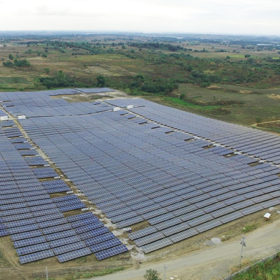
ReNu explores green hydrogen deal with 3.5 GW solar project developers
Australian independent power producer ReNu Energy has signed a deal with the developers of a proposed 3.5 GW solar-plus-storage facility in Indonesia to explore the potential large-scale production of green hydrogen for supply into Southeast Asia and beyond.
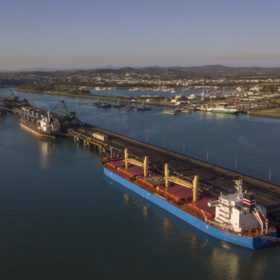
Queensland council plots path from coal hub to green superpower
The Gladstone Regional Council has ratified an ambitious roadmap that will be used to help the central Queensland city navigate the transition from traditional coal and gas hub to a green hydrogen and renewable energy superpower.
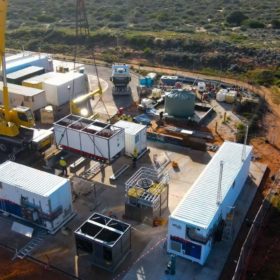
Australian-first green hydrogen microgrid powers up in WA
Australia’s first hybrid solar and renewable hydrogen microgrid has officially launched as green hydrogen production began at Horizon Power’s demonstration plant in the coastal community of Denham in Western Australia’s Gascoyne region.