Suppliers owed millions after Victorian installer collapses
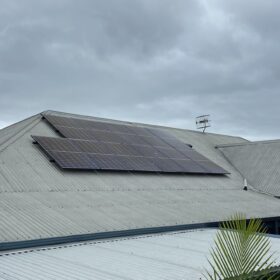
The staff of a Victorian solar retail and installation business have lost their jobs and customers and suppliers are owed millions of dollars after the company was placed in the hands of administrators.
1komma5° announces largest Australian acquisition yet
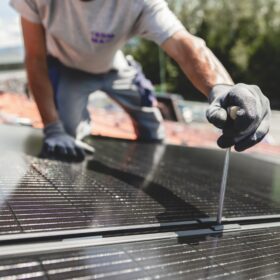
German solar technology developer and retailer 1komma5° has continued to strengthen its presence in the Australian market with the acquisition of Queensland-based Arkana Energy Group.
New body appointed to oversee solar installer accreditation scheme
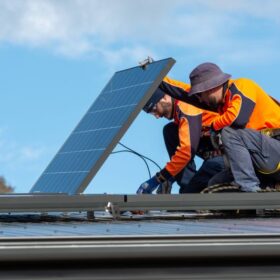
The Clean Energy Regulator has announced that the newly launched Solar Accreditation Australia is the new accreditation scheme operator for the nation’s solar workforce – more than 9,000 installers and designers.
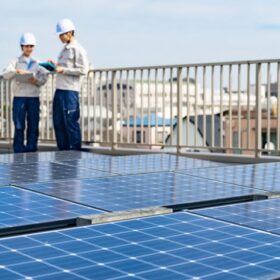
Net metering move puts Indonesia’s 3.6 GW rooftop solar goal at risk
The Indonesian government has ended net metering for rooftop solar installations. The Jakarta-based Institute for Essential Services Reform says this could make it harder for the country to meet its solar deployment targets, as PV installations will become more expensive for households and small businesses.
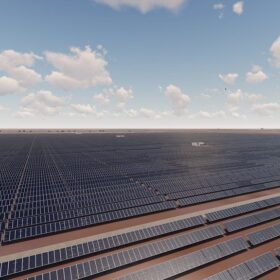
South Australia ramps up net 100% renewables target
The South Australian government has accelerated its net 100% renewables deadline from 2030 to 2027, declaring the target is achievable due to the state’s new wind and solar developments and investment in green hydrogen.
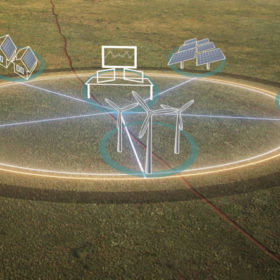
Horizon Power presses go on Smart Connect Solar in Carnarvon
Horizon Power has introduced Smart Connect Solar in Carnarvon, Western Australia, to bolster grid stability and enable broader rooftop solar adoption. The program, set for state-wide expansion by 2024, promises enhanced energy management, consumer savings, and supports the region’s net-zero emissions goal.
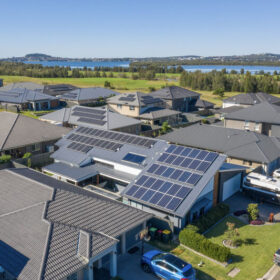
Rooftop solar capacity to outpace all other renewables combined
A new Green Energy Markets (GEM) report to AEMO confirms the future domination of Australian roof-top solar panel and battery system installations are projected to have a cumulative solar capacity potential of between 66 GW and 98.5 GW by 2054.

Raising consumer confidence critical to energy transition, finds EY report
Energy providers, government and the broader energy ecosystem must raise up the access, appeal and affordability of clean energy in the United States, to help accelerate the uptake of clean energy.
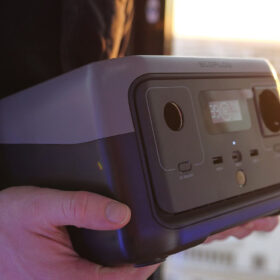
Weekend Read: PV goes portable
Portable solar generators are making their way from the fringes of solar and energy storage to become a mainstream consumer item. The rise has been charged by a range of factors that have created massive brands. Where did the sector emerge from, who was buying before, who is buying now, and what’s next? Tristan Rayner reports.

The path beyond 5 TW
With the COP28 climate summit in Dubai resulting in a pledge of at least 11 TW of renewables generation capacity by 2030, Bruce Douglas, chief executive officer (CEO) of the Global Renewables Alliance (GRA), examines the outcomes of the conference and their likely impact on the solar industry.