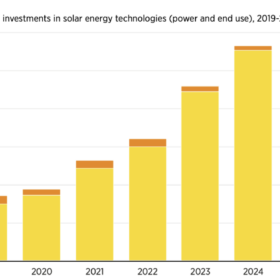
IRENA says $851 billion invested in solar technologies in 2024
The International Renewable Energy Agency says solar is the only renewable energy technology where current investment levels are approaching the annual average needed through to 2030 to align with its 1.5 C pathway.
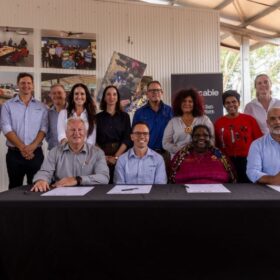
SunCable strikes deal with traditional owners to build NT solar farm
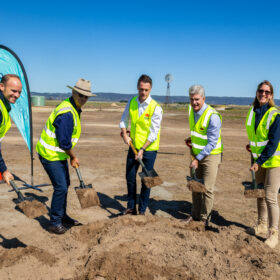
SunCable has struck a multi-million-dollar deal with traditional owners that will enable it to develop the biggest solar farm in Australia on a cattle station in the Northern Territory.
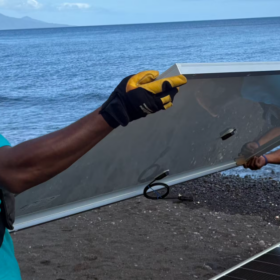
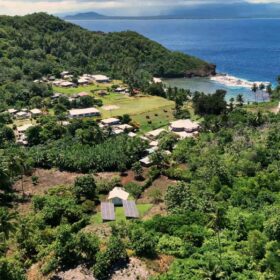
How Pacific nations plan to go from spending up to 25% of GDP on fossil fuels to running on 100% renewables
Picture dusk falling somewhere in the Solomon Islands. A fisher’s skiff glides home using a whisper-quiet electric outboard motor. In the Cook Islands, a big battery steadies the island grid. In Papua New Guinea’s highlands, solar kits bring electric light to homes for the first time.

NSW energy distributors de-risk transition with new, unified system plan
Three New South Wales energy distributors have collaborated on the state’s first distribution system plan, which they say can sustain five years of energy transition momentum, while waiting for critical transmission infrastructure to be built.
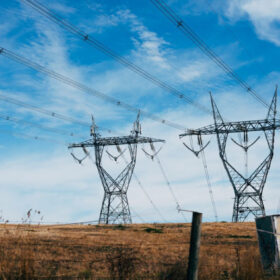
Three year grid connection wait risks renewable energy targets: survey
One-in-five, or 20%, of renewable energy developers responding to an Intium grid-connection survey, say it took them two to three years waiting for grid connection approval, and delays are a threat to Australia’s renewable energy targets.
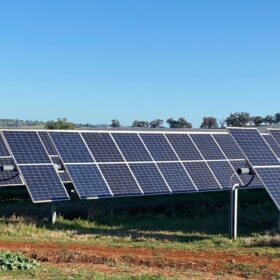
Solar and battery agreement signed between EDPR and QIC
Portugese renewable energy giant EDP, through EDP Renewables Australia, has agreed to partner with the Queensland Investment Corporation to deliver the Punchs Creek Renewable Energy Project near Toowoomba.
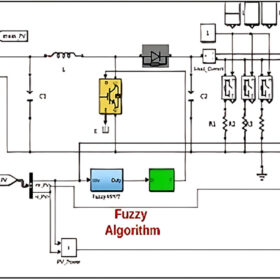
Optimising PV system tilt angle, MPPT using fuzzy logic controller
Researchers in the Middle East have developed a fuzzy logic controller that simultaneously optimises the tilt angle of PV systems and performs maximum power point tracking. Year-long simulations indicate that the proposed approach increases power generation by approximately 20%.

Financial close reached on $900 million Blind Creek solar and battery project
Octopus Australia has brought the $900 million Blind Creek Solar Farm and Battery project, a local landholder-partnered agrisolar project, to financial close and into construction
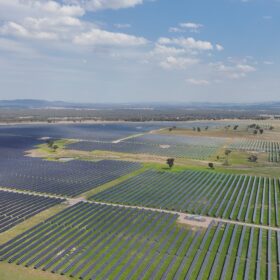
Solarig cracks 2 GW milestone of renewable energy assets in Australia
Spanish renewable energy solutions company Solarig has surpassed 2 GW of renewable energy assets under its operation and management in Australia, following the start of operation at the Stubbo Solar Project in New South Wales.
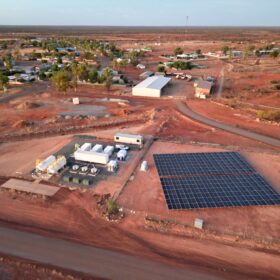
Pacific Energy and Horizon Power PPA signed for remote hybrid system
Pacific Energy has signed a 20-year power purchase agreement with Horizon Power to supply, from 2027, up to 60% renewable energy to the town of Leonora in Western Australia’s goldfields.