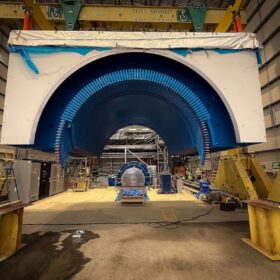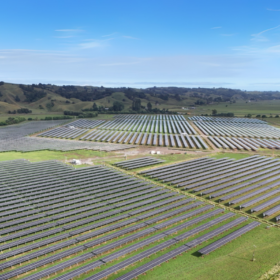
Lodestone powers up 69 GWh agrivoltaic solar farm in New Zealand’s north
Lodestone Energy has flicked the ‘on’ switch to it’s utility-scale agrivoltaic solar array on the North Island of New Zealand, making it the first in the country to connect directly to the national grid.
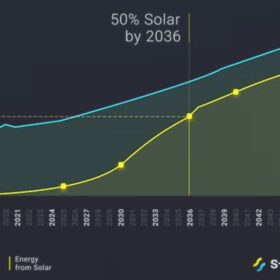
New tool tips solar to supply 50% of global energy demand by 2035
Solar energy will satisfy more than 50% of global energy demand within a decade according to a new modelling tool that also predicts solar costs will continue falling by 10% a year.
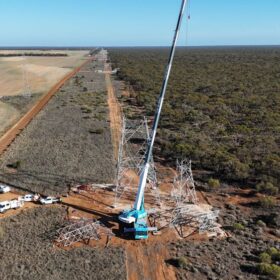
Costs climb for NSW-SA grid interconnector
Transgrid has confirmed the cost of the New South Wales section of Project EnergyConnect has climbed to $3.6 billion, well above the $1.82 billion price tag that was originally approved.
ZEN Energy, HDRE joint venture targets 1.4 GW of solar and storage
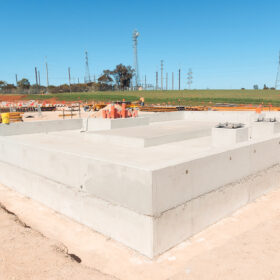
The scope of Zen Energy’s fledgling collaboration with Taiwan’s HD Renewable Energy has expanded with the two parties launching a joint venture that is targeting the development of 400 MW of solar and 1 GW of energy storage capacity in Australia.
Marinus Link lodges DA as project costs continue to climb
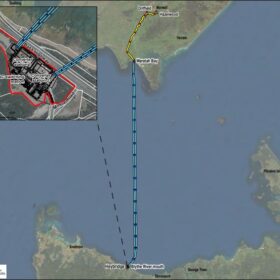
Plans to build a new electricity transmission link between Tasmania and mainland Australia have progressed with Marinus Link Pty Ltd lodging a development application for a converter station to be built in Tasmania’s northwest.
Fastest energy change in history continues
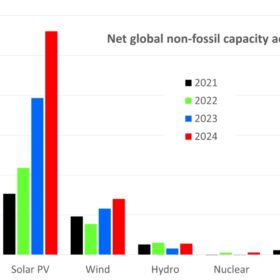
Solar and wind are being installed at a rate that is three times faster than all other new electricity sources combined. This offers compelling market-based evidence that PV and wind are now the most competitive and practical methods for deploying new generating capacity.
Western Power taps Genus to lead Clean Energy transmission project
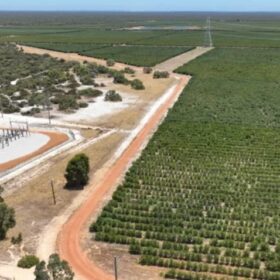
Energy infrastructure provider GenusPlus Group has landed a $270 million contract to deliver a “critical” upgrade of Western Australia’s main electricity network as part of the state government’s plan to unlock existing renewable generation capacity, and allow the addition of new renewables to facilitate the retirement of coal-fired generation.
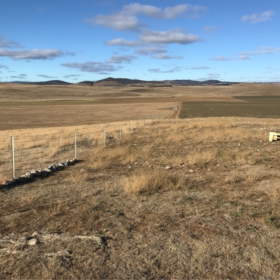
Acen seeks green light for Cooma solar and battery project
Renewable energy developer Acen Australia is seeking federal government approval for a 100 MW solar facility and an 180 MW battery energy storage system to be built near Cooma in the New South Wales Snowy Mountains region.
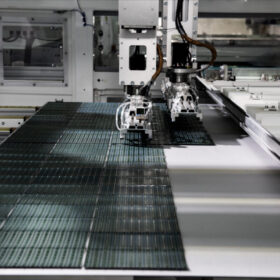
Chinese PV industry brief: Aiko Solar starts making back-contact PV panels
Aiko Solar has started production at its Jinan factory, its third facility for n-type all-back-contact solar modules. The plant is designed for 30 GW of solar cell and panel capacity, with the first 10 GW phase set to reach full output by late 2025.
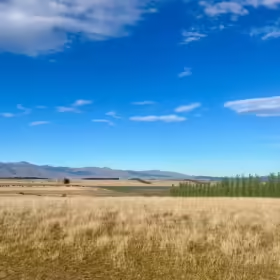
New Zealand grid-scale solar project gets thumbs down by community
Community submissions for a proposed utility-scale agrivoltaic solar farm on Aotearoa New Zealand’s south island, which would have the capacity to power 70,000 homes annually, has returned 75% against the development.