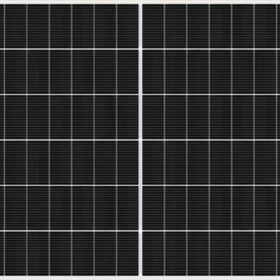
REC launches 640 W heterojunction solar module with 22.5% efficiency
REC has developed a new series of heterojunction solar panels with efficiencies up to 22.5% and an operating temperature coefficient of -0.24% per degree Celsius.
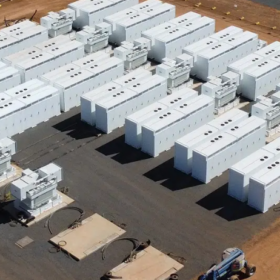
Brookfield reaches agreement to acquire majority stake in Neoen
Canadian global asset management company Brookfield has reached agreement for a majority stake in Australia’s largest developer of renewables, France-headquartered Neoen, and is set to acquire a 53.32% stake in pursuit of 100% ownership.

Squadron plans 2 GW renewables project for South West REZ
Andrew Forrest’s Squadron Energy has lodged documents with the New South Wales government in a forward step on its proposed 2 GW Koorakee Energy Park that is to include a 1 GW solar farm and 1 GW of wind energy backed by a 1 GW / 12 GWh battery energy storage system.
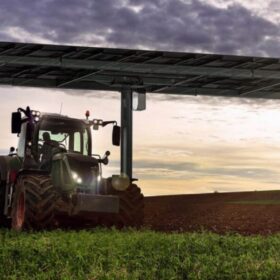
Austrian startup offers double-axis tracking system for agrivoltaics
Anywhere Solar says its new trackers have a module area of 75 m2 and can host PV systems up to 19 kW in size. When deployed horizontally, the systems allow vehicles up to 4.3 meters high to pass underneath.
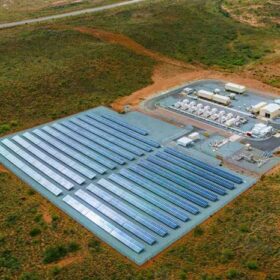
Horizon on hunt for renewable solutions for Kimberley communities
Western Australian regional energy provider Horizon Power has begun the search for electricity supply solutions that maximise renewable energy sources like solar to power five remote communities in the Kimberley region, reducing their reliance on fossil-fuel generation including diesel and gas.
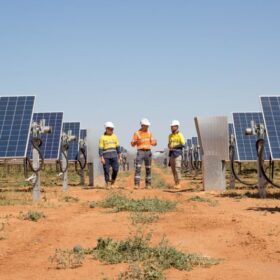
RWE green lights Australian first eight-hour big battery
Australia’s first eight-hour battery energy storage system is set to go ahead with German energy major RWE announcing it has taken the investment decision and signed key contracts for the Limondale battery project being developed in southwest New South Wales.
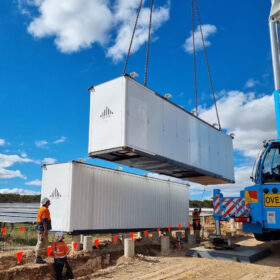
SEI teams with ACEnergy to deliver 270 MWh of distributed battery projects
Australian energy infrastructure asset owner and manager Sustainable Energy Infrastructure is set to broaden its development strategy, teaming with renewables developer ACEnergy to roll out an initial tranche of seven battery energy storage systems with a combined capacity of approximately 35 MW/ 70 MWh.
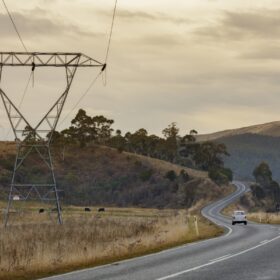
Tasmania launches consultations on first renewable energy zone
Consultation on Tasmania’s proposed first coordinated renewable energy zone in the state’s northwest has begun, putting the Apple Isle a step closer to its legislated target to be 200% powered by renewables by 2040.
Renewables must triple by 2030 to hit net-zero by 2050, says BloombergNEF
BloombergNEF says in a new report that solar and wind must drive most emissions cuts before 2030 to stay on track for net zero by 2050. Its net zero scenario targets a combined solar and wind capacity of 31 TW by 2050.
Renewable energy projects predicted to drive $20 billion construction boom
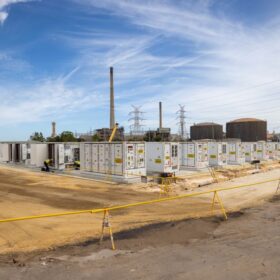
Spending on building renewable energy infrastructure is forecast to peak at $20 billion in 2026, stimulated by the Australian government’s target of 82% electricity from renewables by 2030, but caution remains over workforce capability.