Akaysha achieves major milestone with big battery now complete
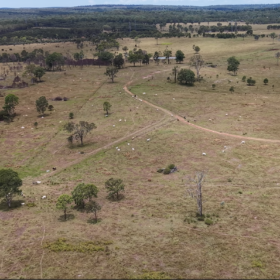
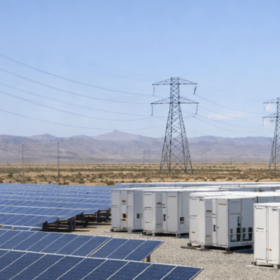
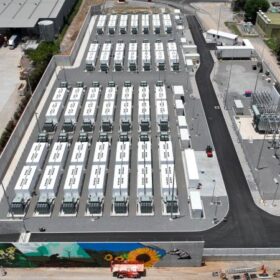
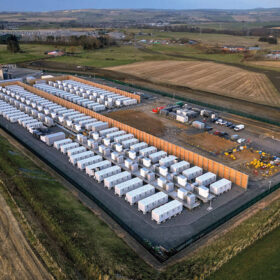
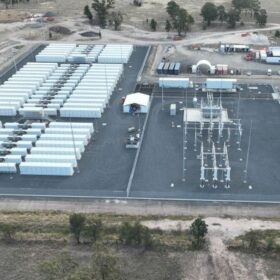
Akaysha Energy, the battery storage platform backed by global funds giant Blackrock, has announced the completion of its first big battery project with the 155 MW / 298 MWh Ulinda Park energy storage system in Queensland now online.

Bowen commits extra $5 billion to home battery subsidy
The Australian government has announced a major expansion of its Cheaper Home Batteries program, raising the funding allocation from the original $2.3 billion to approximately $7.2 billion over the next four years.
Queensland rooftop solar rebates throw cost of living lifeline to renters
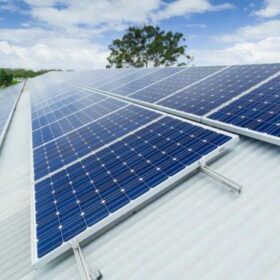
The Queensland government has launched its Supercharged Solar for Renters program which provides eligible landlords with rebates of up to $3,500 to install solar systems on their rental properties anywhere in the state.
Bad weather forecasts cost Australian solar energy sector $100 million: report
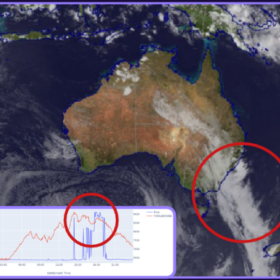
Solar energy forecasting company Solstice AI research has found a 10% improvement in weather / solar forecasting accuracy would generate an extra $38 million per year in profit for Australia’s utility solar, and worldwide, $9.5 billion.
Beijing group creates official entity to guide China’s polysilicon capacity
Industry analysts say a new Beijing-based coordination platform created by China’s top polysilicon producers signals a turn toward managed capacity, as the sector tries to halt a steep price slide and mounting consolidation pressures.
Singapore energy giant Sembcorp buys Alinta Energy for $6.5 billion
Sydney-based energy gentailer Alinta Energy has been purchased from owner, Hong Kong conglomerate Chow Tai Fook Enterprises by Singaporean energy company Sembcorp Industries for $6.5 billion.
Household solar electricity generation in the Australian national accounts
The Australian electricity industry has transformed over the past two decades, driven by the rise of household solar and other renewable energy sources. Since 2010, supported by government incentives and improving technology, rooftop solar installations have surged.
Neoen begins building 1.22 GWh third stage of Queensland’s ‘biggest battery’
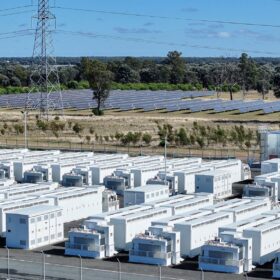
Neoen Australia has pressed go on construction of the 305 MW / 1,220 MWh next stage of its Western Downs battery energy storage system in Queensland and backed that by signing two new virtual battery contracts for a combined 250 MWh.

Enerflow plans 1.2 GWh vanadium flow battery project for Australia
China’s Enerflow will partner with Perth-based firm Jenmi Investments to jointly develop a 350 MW / 1,200 MWh long-duration storage project, marking a major step for vanadium flow battery technology in the Australian grid.
Renewables on rise as AEMO lays out roadmap for energy transition
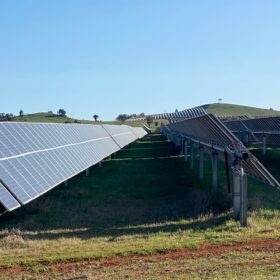
A draft blueprint for Australia’s energy market calls for 120 GW of grid-scale solar and wind, 87 GW of rooftop PV, 55 GW of dispatchable storage and 6,000 kilometres of new transmission infrastructure by 2050 to replace retiring coal plants, meet a near doubling of electricity demand, and deliver on government emissions and renewable energy targets.