Battery-electric locomotive and mining vehicles fast track Fortescue’s 2030 goals
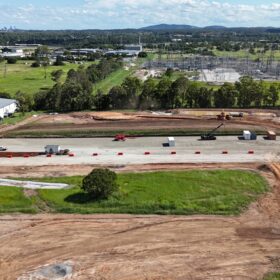
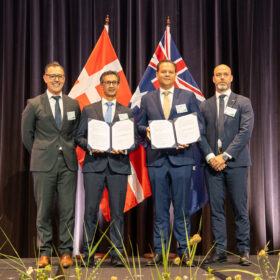
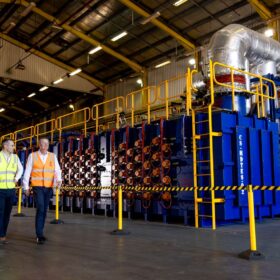
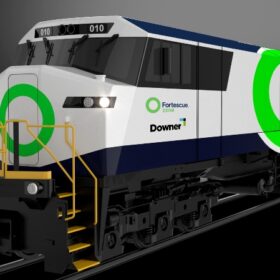
Perth-based mining giant Fortescue has fast tracked its zero emission goals through a $4 billion dollar battery-electric vehicle deal with Swiss company Liebherr and a joint venture to build a battery-electric locomotive, with Sydney-based engineering company Downer.
$65 million boost for Queensland long-duration battery manufacturing plant
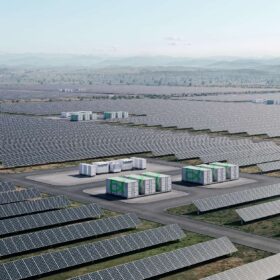
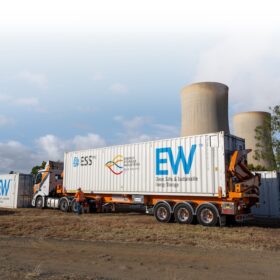
Australia’s first commercial-scale manufacturing plant for grid-scale, long-duration batteries being built by Energy Storage Industries Asia Pacific has received a $65 million boost through Queensland government and private investment.
New added renewables capacity tipped to exceed 7 GW in 2024
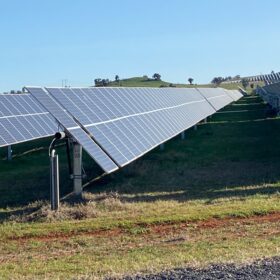
New data from the Clean Energy Regulator shows Australia is on course to add more than 7 GW of renewable energy generation capacity this year, almost double what was previously anticipated.
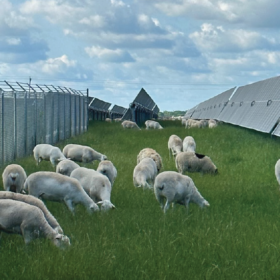
Reaping agrisolar success in Australia relies on policy reforms: report
A New South Wales-based Agrivoltaics Resource Centre report reinforces utility-scale developments can successfully co-exist with agriculture but improvements to development application processes could pave the way for better project outcomes.
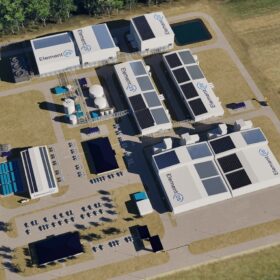
Perth miner lands $243 million US government grant
Australian manganese miner Element 25 has been granted $243 million by the United States government to support the development of a refining facility that will transform the metal into a battery-grade product.
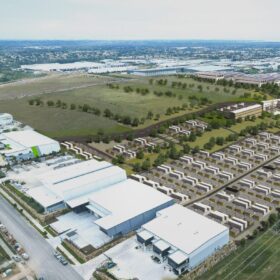
Quinbrook picks GE Vernova for 1 GWh Supernode battery stage
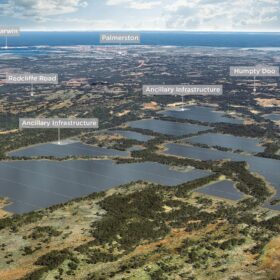
Quinbrook Infrastructure Partners has tapped United States-headquartered energy equipment manufacturer GE Vernova to deliver an integrated battery energy storage system solution for the 250 MW / 1,000 MWh second stage of its Supernode project being developed in southeast Queensland.
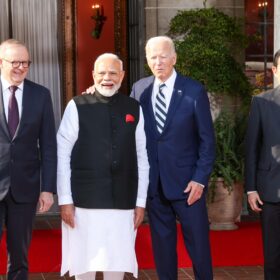
$50 million funding to boost clean energy supply chain
The Australian government will in November open applications for a $50 million funding program that is to support the development of more diverse solar PV, hydrogen electrolyser and battery supply chains in the Indo-Pacific region.
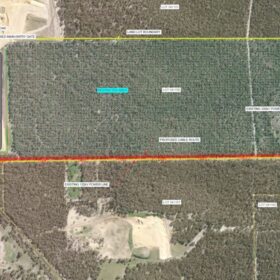
Trina plans 2,640 MWh big battery for Western Australia
Chinese solar giant Trina Solar has unveiled plans for a 660 MW / 2,640 MWh battery energy storage facility in Western Australia that it says will enhance grid stability and support the state’s increasing renewable energy demands.
IEA calls for stronger solar, wind integration measures
The International Energy Agency’s latest report warns that failing to support integration at the point of deployment could jeopardise up to 15% of solar and wind projects by 2030. This shortfall would reduce their combined share of the global electricity mix by 5%.
Researchers on a roll chasing 30-second perovskite cell annealing time
In a laboratory setting, researchers from two Sydney-based universities are working to dramatically reduce time to anneal pervoskite cells, paving the way to replace toxic disposable battery sensors with a sustainable power source.