Markets & Policy

Australia’s solar industry is deeply influenced by federal and state-level energy policies, regulatory frameworks, and evolving market mechanisms. This category offers comprehensive analysis of renewable energy targets, policy reforms, electricity pricing, and incentive programs like the Small-scale Renewable Energy Scheme (SRES) and Large-scale Renewable Energy Target (LRET). We also explore political debates, regulatory shifts, and the financial and strategic moves of key market players shaping the future of solar in Australia—from utility-scale developers to community-driven solar initiatives.
Advertisement
Advertisement
Advertisement
Latest News

Ausgrid trials C&I rooftop solar initiative to share energy benefits with renters
Ausgrid is rolling out a trial to turn commercial and industrial rooftop solar surplus into an opportunity to share energy with consumers without solar access, such as neighbourhood renters and apartment dwellers.
Sep 18, 2026
Advertisement
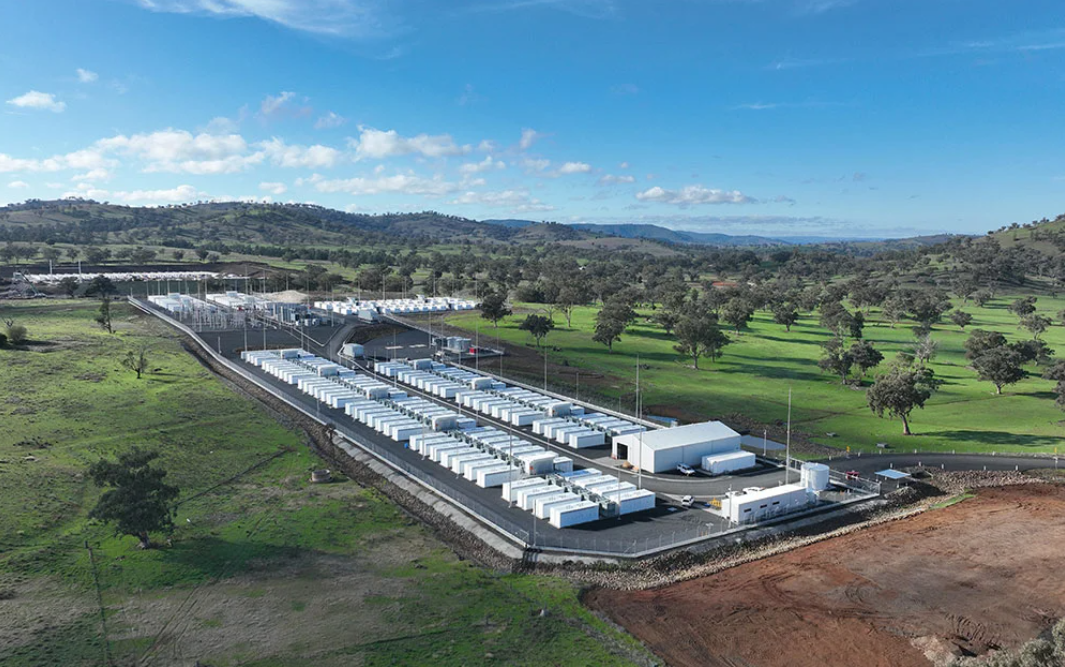
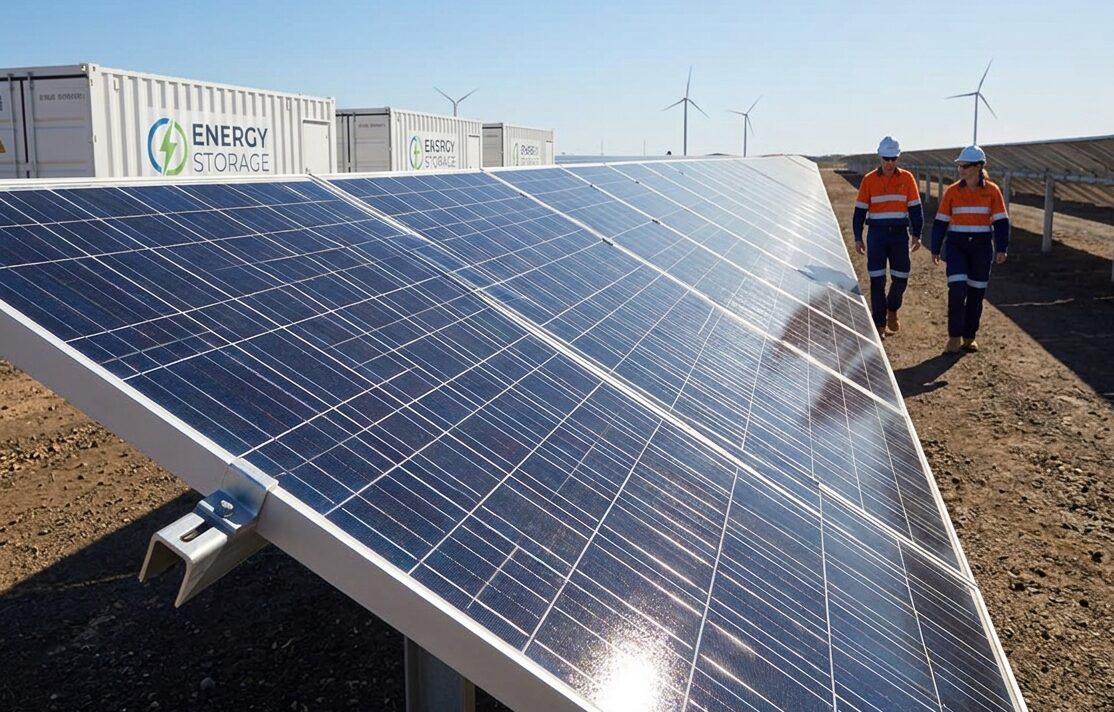
Make renewables infrastructure to make them investible
The financing market for wind and solar assets is dead. Or at least comatose. A large part of the industry is for sale. There are no buyers. Offshore investors were on the point of having insult added to injury by having their mostly meagre profits taxed.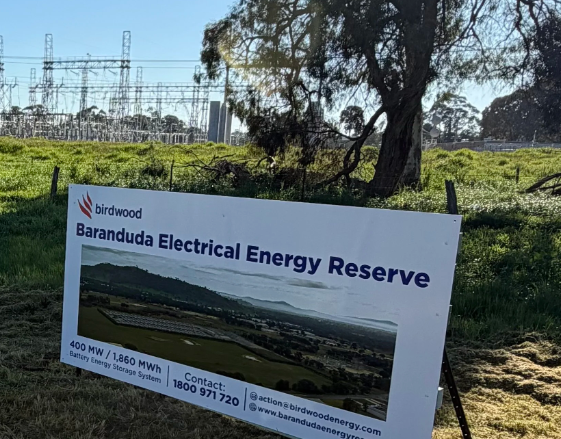


Advertisement
All Markets & Policy news

China export tax rebate cut tipped to send PV prices up
China has reduced the export tax rebate for solar products, lowering refunded taxes for Chinese PV exporters and eating into their profit margins. The move might force some companies to increase export prices to mitigate potential financial losses.

Farmers and regional communities forecast to reap billions from clean energy shift
Payments to farmers and landholders hosting large-scale renewable energy projects across Australia’s main electricity grid are expected to top $1 billion by 2030 and could reach up to almost $10 billion by 2050.
Nov 19, 2024
Advertisement


Thornova Solar starts cell, module production in Indonesia
United States manufacturer Thornova Solar has started producing solar cells and modules in Indonesia. CEO William Sheng says the move is in line with changing US market regulations. It plans to supply customers with cells and modules from Indonesia, Laos or the US by mid-2025.

Advertisement

Advertisement