Cash for Christmas – Spark Infrastructure sale finalised in $5.2b all-cash transaction
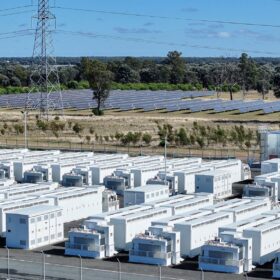
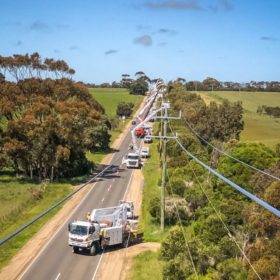
Following approval from the Foreign Investment Review Board in November, the long-awaited sale of grid-operator Spark Infrastructure to a North American consortium led by private equity giant Kohlberg Kravis Roberts has been completed via a $5.2 billion “all-cash transaction”.
Photon offloads solar farm to focus on ‘solar-hydro’ technology in Australia
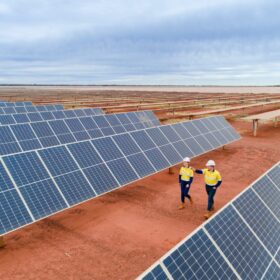
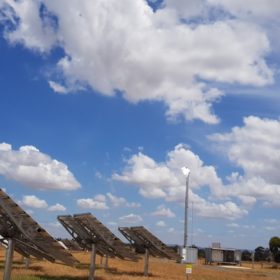
Netherlands-based renewables developer Photon Energy has reaffirmed its commitment to Australian tech company RayGen Resources’ innovative ‘solar-hydro’ technology, offloading its majority stake in the 160 MWdc Maryvale Solar Farm so it can focus its future development activities in Australia on large-scale projects featuring the solar-plus-storage technology.
Australia prepares for first solar ‘upcycling’ facility while recycling operations expand
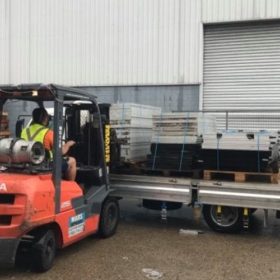
As Australia stares down a deluge of worn out solar panels, recycling – and indeed upcycling – programs are grinding into gear. In Victoria, a site has been found for Australia’s first facility to recover and reuse solar module materials, while Reclaim PV has extended its manufacturer partner and pickup location lists.

Marrying markets and physics – pushing the (dynamic) envelope of orchestration and VPPs
Virtual power plants have turned a corner in this country, SwitchDin founder, Andrew Mears tells pv magazine Australia. With the new technology now firmly established, we take a look at the new approaches to orchestration which will inform the next wave of distributed energy resources management.
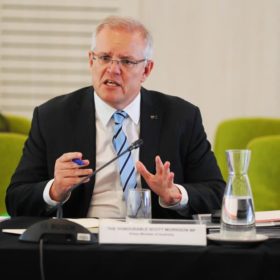
$26 billion in ‘new energy economy’ projects proposed in Queensland, as feds pay bizarre homage to coal
The Queensland government has highlighted its state attracted as much as $26 billion worth of “new energy economy projects”, according to new national resources reports. The federal government, on the other hand, used the reports to pay tribute almost exclusively to coal, with resources minister Keith Pitt dubbing it a “star”.
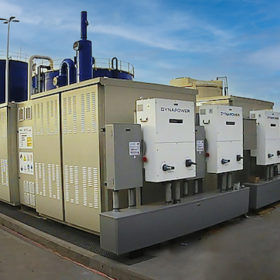
Aussie flow battery company completes ‘milestone’ installation
Brisbane-based flow battery company Redflow has completed its single biggest installation to date, a 2 MWh storage system in California for biowaste technology firm Anaergia.
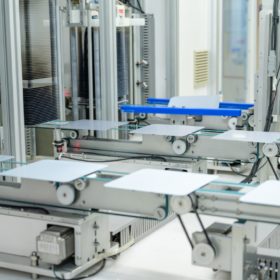
Jolywood switches on 1.5 GW TOPCon solar cell factory in China
The Chinese bifacial module maker has commissioned a 1.5 GW TOPCon cell factory in China’s Zhejiang province, which raised its total TOPCon cell capacity to 3.6 GW. Another 16 GW facility is being planned for the Shanxi province.
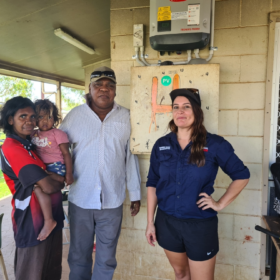
NT’s first publicly owned house finally granted access to rooftop solar
Indigenous communities have some of the most unreliable, expensive power in Australia, with a recent study finding almost three quarters of households in remote Northern Territory communities lost power more than 10 times, often for significant periods on “dangerously” hot days. Alarmingly, regulations have until now completely blocked communities in public housing from connecting rooftop solar because they use a prepaid meter system.
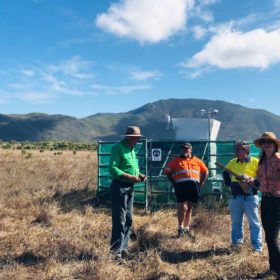
Novel government strategy makes solar and wind monitoring data public for first time
In an unconventional bid to attract large-scale renewable developments, the Queensland government has organised for usually highly confidential solar and wind monitoring data to be made public for the first time through Fulcrum 3D’s technology platforms.
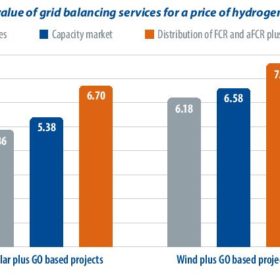
Sunday read: The new entrant to the energy sector
Green hydrogen can play a vital role in decarbonising the economy and enabling countries to reach net-zero emissions. The economics of producing green hydrogen from electrolysis are maturing as developers scramble to meet expected future demand. Everoze partner Nicolas Chouleur and Neoen hydrogen expert Sacha Lepoutre discuss a case study that shows how stacking different revenue streams could improve the economics of renewable energy projects.