NSW backs pumped hydro to deliver long-duration storage
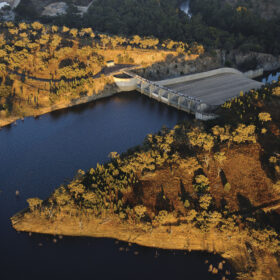
Pumped hydro continues to push for a place in Australia’s energy transition with the New South Wales government recently declaring two multi-billion-dollar projects Critical State Significant Infrastructure.
Ausgrid launches new community battery to support solar
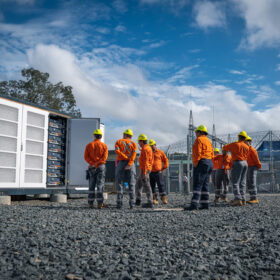
New South Wales electricity distributor Ausgrid has added another centralised community battery to its portfolio, powering up a combined 10 MW energy storage system in the southwest Sydney suburb of Bankstown.
Rooftop solar gets giant tick of approval from Nike
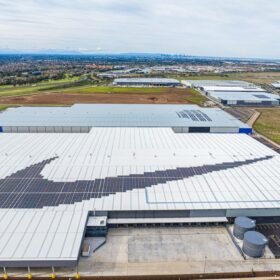
Sporting footwear and apparel giant Nike has unveiled a world-first rooftop solar “swoosh” with a 1 MW solar array now installed atop the company’s 60,000 square metre logistics facility in Victoria.
Big battery faces siting pushback in South Australia
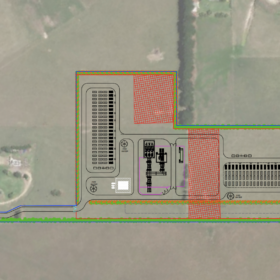
Despite the project already being altered four times, a local South Australian council has formally opposed the Blanche battery location as the state licensing process continues.
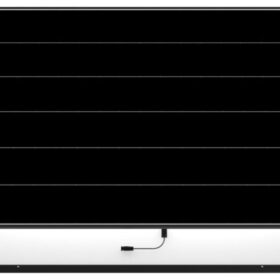
Solar LCOE to fall 30% by 2035, says BloombergNEF
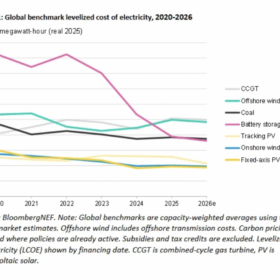
Analysis from BloombergNEF finds the levelised cost of electricity (LCOE) of a typical fixed-axis solar farm increased by 6% year-on-year in 2025 to stand at $55/MWh, but innovation and competition are expected to see costs fall by 30% through to 2035.
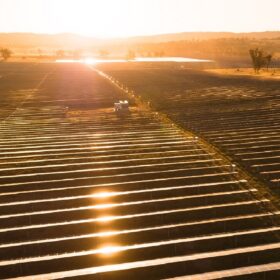
Lightsource bp finds buyer for 1 GW solar portfolio
Macquarie-backed Aula Energy has supercharged its renewable energy ambitions with the acquisition of five utility-scale solar farms in Australia and a development pipeline of up to 800 MW of co-located battery energy storage projects from British-owned developer Lightsource bp.
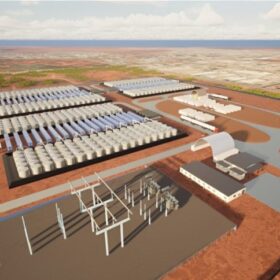
AVL partners with Sumitomo for WA’s 500 MWh vanadium battery project
Perth-headquartered resources and technology company Australian Vanadium Limited’s subsidiary VSUN Energy will partner with Japanese manufacturer Sumitomo Electric Industries in its bid to develop Western Australia’s planned 500 MWh Kalgoorlie vanadium battery project.
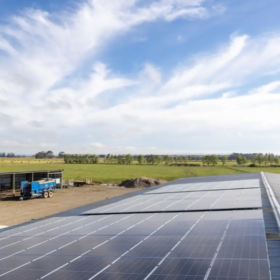
Clean energy harvest in store for New Zealand solar on farms trial
A New Zealand government program subsidising and testing battery storage and solar systems on farms across the country, have announced an inaugural uptake of 32 agricultural businesses have signed on to its Solar on Farms program.
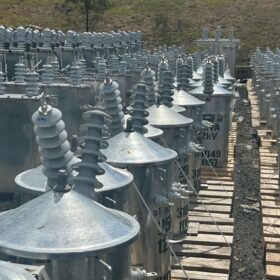
NSW transformer manufacturer lands $22 million expansion grant
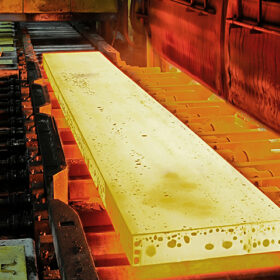
A New South Wales-based manufacturer of power and distribution transformers has been granted $22 million from the state government as part of a $52 million outlay to “supercharge” renewable energy manufacturing sectors.
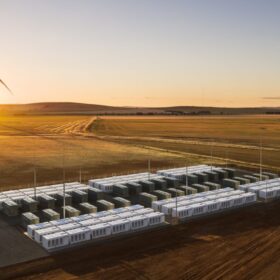
Big battery capacity jumps globally 12-fold in four years
The global capacity of utility-scale batteries has increased by more than 12 times between 2020 and 2024, according to the International Energy Agency Electricity 2026 report.