NSW pledges $15 million to boost renewable energy workforce
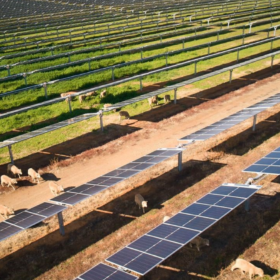
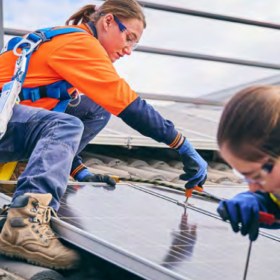
Jointly funded with the Australian government, the New South Wales government is investing $15 million over four years to train the skilled workforce needed for the state’s renewable energy rollout.
Fox ESS partners with Origin to expand its virtual power plant offerings
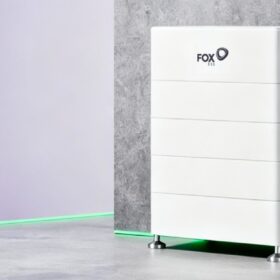
China-headquartered renewable energy technology provider Fox ESS has partnered with Origin Energy to enable its home battery storage systems to connect to the Origin Loop virtual power plant.
IEC-based technical specifications needed for second-life PV module market
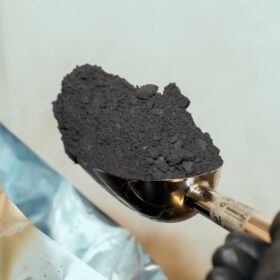
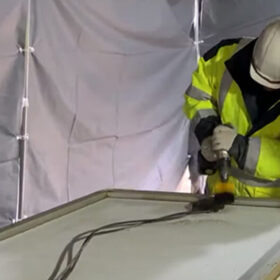
The latest report from the International Energy Agency’s Photovoltaic Power Systems Programme says second-life PV modules have the potential to reduce waste and extend the value of solar assets, but their market today remains underdeveloped and requires advances in technical qualifications, scalable reuse infrastructure and supportive policy frameworks.
Solar energy chips in 16% of Victoria’s renewable energy target
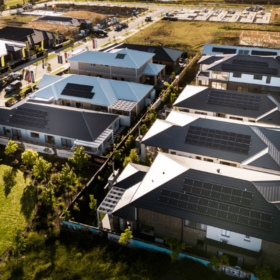
Solar energy has chipped in 16% of Victoria’s 40% 2025 renewable target, which itself has been smashed with green energy powering a solid 44.6% of the state’s electricity in that year.
UNSW ‘living lab’ energy managment system now operational
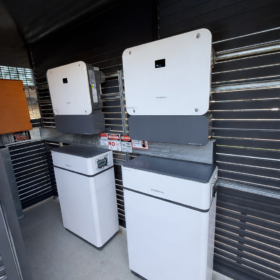
Real-world testing of an artifical intelligence-enabled energy management system and virtual power plant technology is underway in Dubbo, through a TRaCE funded collaboration between the University of New South Wales, Sungrow and Dubbo Regional Council.
Sunset on solar waste: Have your say on solar panel reuse and recycling
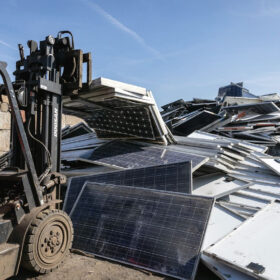
A parliamentary inquiry into solar panel reuse and recycling is calling for written submissions on how Australia currently handles ageing and decommissioned solar panels, the scale of the current waste challenges and needs for future management.
Armidale East BESS awarded long duration storage tender
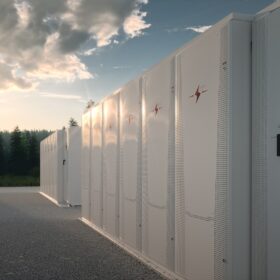
FRV Australia has been awarded a long duration storage LTESA for 157.5 MW of its 315 MW / 1,260 MWh utility-scale Armidale East battery energy storage system.
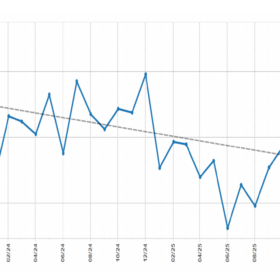
Rooftop solar volumes drop 34% after four month growth
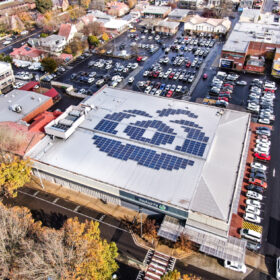
The latest rooftop solar figures from market analyst SunWiz show small scale technology certificate volumes dropped sharply by 32% after four months of growth, though January outcomes were broadly in line with seasonal norms.
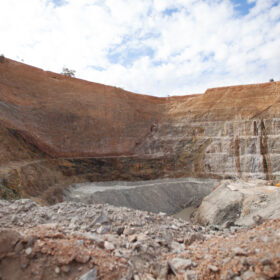
NSW claims mine approval boosts clean energy supply chain credentials
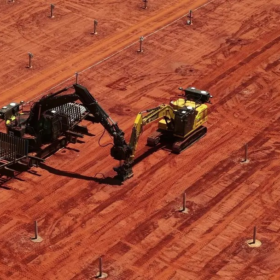
The New South Wales government has approved a new copper mine it says will support the state’s renewable energy transition and reinforce its place in global clean energy technology supply chains.
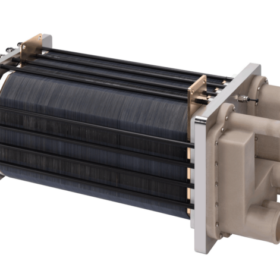
Siltrax secures TUV certification for hydrogen fuel cell stacks
Australian manufacturer Siltrax will push forward with the commercialisation of its silicon-based hydrogen fuel cell technology after securing the tick of approval from international testing, inspection, and certification body TÜV Rheinland.