Four-year outdoor testing shows perovskite cells suffer from high seasonality
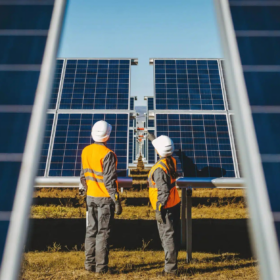
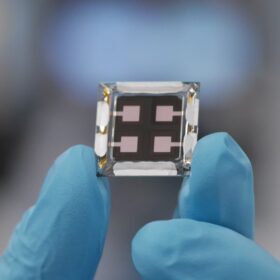
Testing conducted by the Helmholtz-Zentrum Berlin in Germany has shown that perovskite solar cells operating at high latitudes in Europe may suffer from higher performance losses in winter compared to conventional PV devices. The scientists warned, however, that at lower latitudes this seasonality may be less pronounced.
No case to prosecute AusNet over Victorian transmission tower collapse
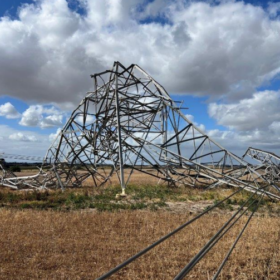
Energy Safe Victoria has found there is no case to prosecute AusNet Transmission for the collapse of six transmission towers in Anakie, north of Geelong, Victoria during an extreme storm event in February 2024.
Seven Victorian battery storage projects first to connect to Powercor DERMS
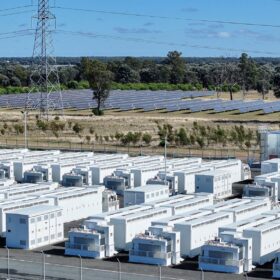
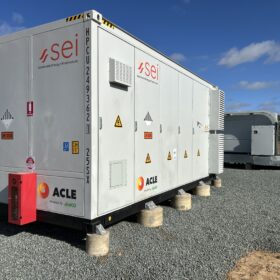
Seven regional Victoria battery storage projects, all at the commissioning phase, will be the first to connect to Victorian distributor Powercor’s high voltage distributed energy resource management system, adding stability to the grid.
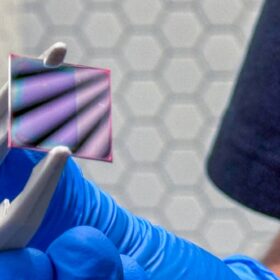
Researchers discover method to extend quantum battery lifespan by 1,000 times
While attempting to address suparradiance in Dicke quantum batteries to leverage their fast charging qualities, researchers at RMIT University and the CSIRO have developed a method to extend the lifetime of quantum batteries by 1,000 times.
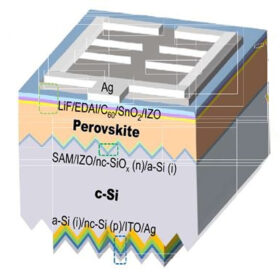
Longi unveils 34.58%-efficient tandem perovskite-silicon cell
In a new scientific paper published in nature, the Chinese manufacturer presented a new tandem perovskite-silicon solar cell based on a bottom cell with a heterojunction design. It also used a new type of self-assembled monolayer that reportedly reduces non-radiative recombination and increases cell efficiency.
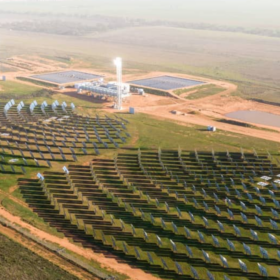
AGL aquires long-duration electro-thermal project from Photon Energy
AGL Energy has acquired the 150 MW solar, 90 MW thermal, and 720 MWh of storage Yadnarie Project from Dutch developer Photon Energy, and follows the project’s development approval received in June.
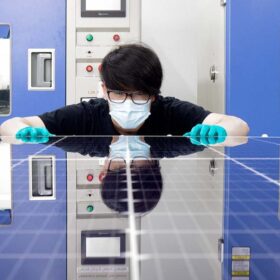
ARENA backs next-gen solar innovation with $60 million funding boost
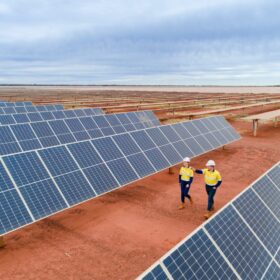
The Australian government has announced $60 million in new funding for research and development projects that promise to accelerate cost reductions for PV technology and help meet the stretch target for “ultra low-cost” solar production.

CRT targets green hydrogen pain points with new electrolyser tech
Cavendish Renewable Technology has launched an advanced hybrid electrolysis platform that it says blends the strengths of solid oxide and alkaline technologies and addresses the pain points of green hydrogen adoption.
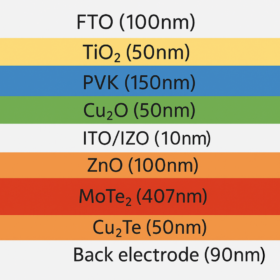
First attempt to build tandem solar cells based on perovskite, transition metal dichalcogenide
Scientists in India have proposed to design new tandem solar cells using transition metal dichalcogenide as an absorber material for the bottom PV device. Their simulations showed these tandem cells may reach an efficiency of more than 35%.

‘Grid-forming technology is no longer experimental – it’s here and working’
In grids increasingly dominated by renewables, grid-forming technology is emerging as critical tool for maintaining stability and ensuring reliable power system operation. In this interview with ESS News, Rui Sun, Sungrow’s Deputy General Manager-Grid Technology Center, explains how grid-forming works, why it matters, and where the technology is already proving its value. He elaborates on technical challenges, regulatory gaps, and why grid-forming could soon become the new industry standard.