Europe moves on green hydrogen, developing offshore pipeline as Germany adds electrolysis capacity
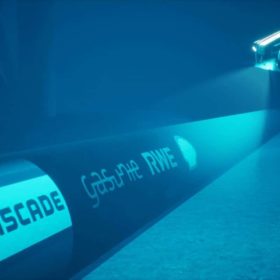
Germany’s first offshore hydrogen pipeline is being planned by multiple partnering companies and is expected to be commissioned in 2035. Meanwhile, Siemens is planning hydrogen projects in a 5 MW to 50 MW range for industrial applications and a consortium of conglomerates is maintaining pressure on EU to develop green hydrogen.
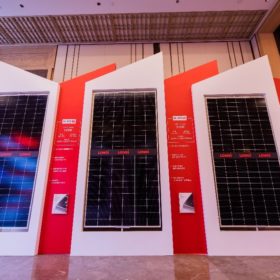
Longi unveils two PV modules for distributed generation
The two new products will be part of the Hi-MO4m panel series for rooftop applications. Their efficiency ranges from 19.2% to 21.2%.
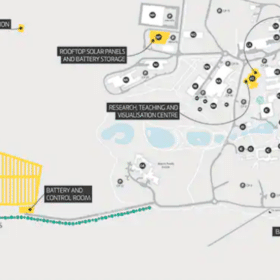
Deakin University’s enterprising plans for its new microgrid
Microgrids afford an opportunity to essentially become a power station operator. That opportunity, says Dr Adrian Panow, the Director of Deakin’s Energy Initiative, unearths a number of urgent questions ranging from the technical all the way to the ethical. They are questions cross-faculty researchers at Deakin University, now home to a sizeable microgrid, plan to interrogate.
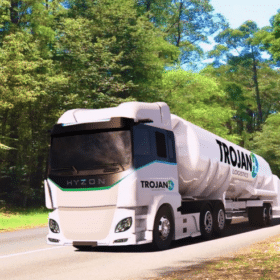
Melbourne company signs deals to position itself as Australia’s leading carbon-free green hydrogen transporter
Melbourne-company Trojan H2 Logistics has today announced two separate industry deals to deliver both fuel-cell hydrogen transport trucks as well as hydrogen refuelling stations along Australia’s East Coast.

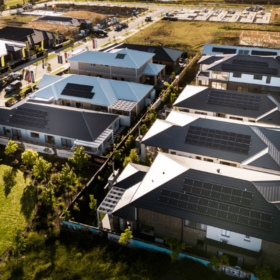
Victorian government launches VPP pilot program
Victoria’s Andrews Government has launched a battery aggregation pilot program which seeks to build an “approved aggregation provider list” alongside the Solar Homes battery rebate. The Victorian Government sees the future of virtual power plants and microgrids and this is an opportunity for both consumers and providers to benefit.
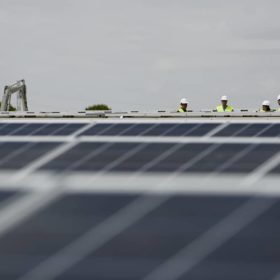
Europe’s largest PV plant takes shape
The project, called the Trillo photovoltaic complex, is located in Spain and will have an installed capacity of 626 MW. Construction is scheduled to begin on May 7.

Solar-decked Federally controlled airports could jet propel energy transition
Have we stopped using terms such as leadership, and decarbonisation goals in relation to the Australian Federal Government? A new RMIT study rattles the cage of the cowardly Canberran cabal.
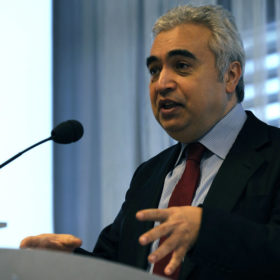
The sum of the Leaders Summit on Climate
Let’s not give Australia’s Prime Minister any more space on the topic of climate change. Scott who? Fatih Birol, Executive Director of the International Energy Agency encapsulated the Summit and where we’re at coolly, concisely and cogently.
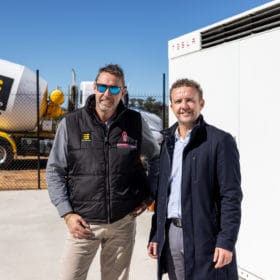
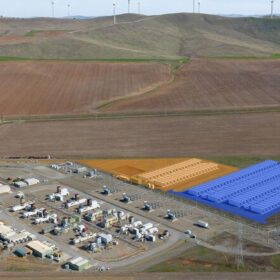
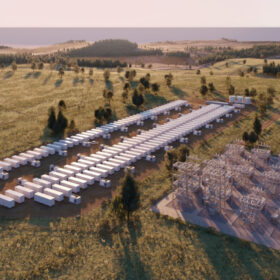
New ACT big battery to pull off hydrogen, solar and VPP storage trifecta!
Elvin Group Renewables has constructed a 5 MWh Tesla Megapack to help ensure stability of energy supply in Canberra’s new northern suburbs and the wider grid. Its plans to proliferate the model are audacious.
UNSW’s Prof Martin Green ups PV yield by cooling solar modules
In efforts to improve PV performance by helping modules keep their cool, the Martin Green team is going for 10 degrees lower operating temperatures. Cherry-picking the most practical approaches could deliver 50% extended project life.