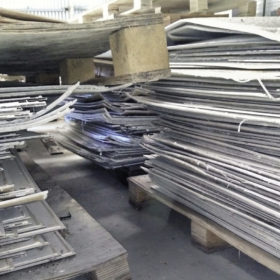
Solar panel recycling: Turning ticking time bombs into opportunities
Australia has certainly demonstrated its appetite for solar power. Now, with the average lifespan of a solar panel being approximately 20 years, many installations from the early 2000’s are set to reach end-of-life. Will they end up in landfill or be recycled? The cost of recycling is higher than landfill, and the value of recovered materials is smaller than the original, so there’s limited interest in recycling. But given the presence of heavy metals, such as lead and tin, if waste is managed poorly, we’re on track for another recycling crisis. A potential time bomb could present itself as an opportunity, however, if the global EV industry showed an interest in the recovered solar products.
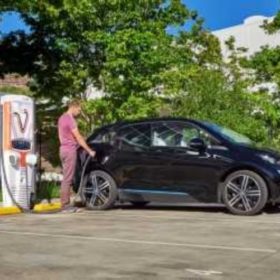
Tritium smooth another barrier to EV adoption with “Plug and Charge”
Homegrown fast-charging technology company Tritium has launched “Plug and Charge,” a seamlessly simultaneous way to charge your electric vehicle and pay for the pleasure.
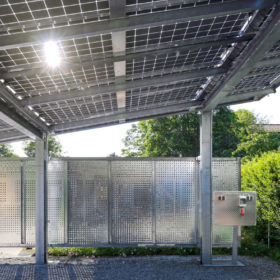
FuturaSun enters Australian PV market
Italian-headquartered module manufacturer FuturaSun has completed accrediting its module range with the Clean Energy Council.

European solar records will continue to tumble this summer
Solar forecasting company Solargis says the insight offered by Covid-19 industrial shutdowns into a renewables-driven future serves to emphasize the value of the chief commodity it trades in – data.

“How’s the serenity?” electric leisure boating to go full-throttle
German electric boating company Torqueedo’s 100,000th sale highlights a shift in leisure and small commuter boating towards the electric.
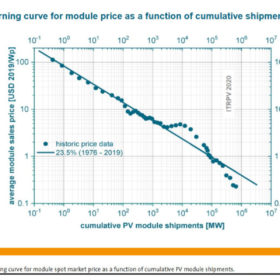
Solar costs set to continue falling according to ITRPV roadmap
The 11th edition of the German document which tracks solar price falls and efficiency improvements has considered the role bigger wafers are playing in cost reduction.
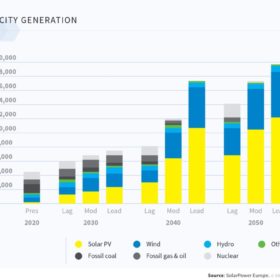
Europe can be 60% powered by solar before 2050
A study by Solarpower Europe and LUT: Three different cases for the transformation of the European energy system were examined in this study. The more ambitious scenario with 100% renewable energy and a high proportion of PV might be cheaper than less ambitious paths to a green Europe.
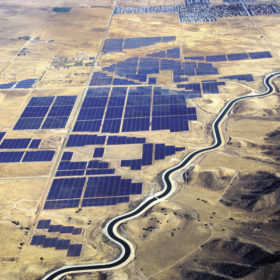
JinkoSolar says US authorities see no violation of Hanwha Q-Cells patent
The patentability of Korean company Hanwha’s technology is being examined by a U.S. commission, according to Jinko. The Chinese manufacturer said it expects a final decision by December.
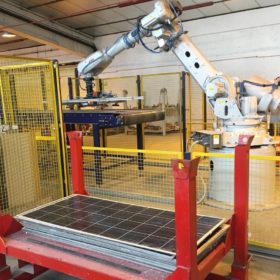
A mechanical technique for PV module recycling
An Italian consortium has developed a panel recycling process it claims can recover up to 99% of raw materials. The developers claim their technique takes only 40 seconds to fully recycle a standard panel, depending on size and recycling site conditions.

Power Ledger to give French customers their choice of energy
Western Australian peer-to-peer (P2P) energy trading pioneer Power Ledger has revealed the world’s biggest ‘choose your own energy source’ project in France.