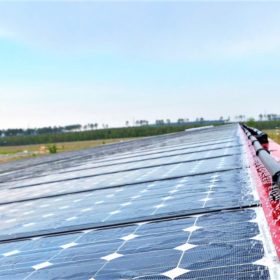
Cooling down PV panels with water
France’s Sunbooster has developed a technology to cool down solar modules when their ambient temperature exceeds 25 C. The solution features a set of pipes that spread a thin film of water onto the glass surface of the panels in rooftop PV systems and ground-mounted plants. The cooling systems collect the water from rainwater tanks and then recycle, filter and store it again. The company claims the technology can facilitate an annual increase in power generation of between 8% and 12%.
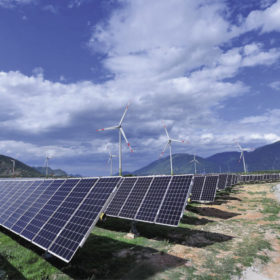
Covid-19 to wreck economics of new solar and wind projects
While the full extent of the impact of the Covid-19 pandemics on the renewable energy market is yet to reveal itself, Norwegian consultancy Rystad Energy predicts new solar and wind projects will grind to a halt this year and experience a ripple effect in the years beyond as currencies across the globe continue to fall against the US dollar.
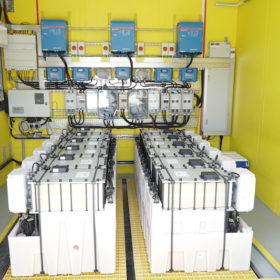
Swansea University to install Redflow battery at its solar classroom
The British university will use Redflow zinc-bromine flow batteries at its Active Building demonstrator – an award-winning classroom that generates, stores and releases solar energy at the point of use.

Smooth sailing, Volkswagen launches electric Kombi
Volkswagen Commercial Vehicles has unveiled the e-Bulli, a concept blend of the classic 1966 Bulli Kombi with 2020 electric vehicle driving.
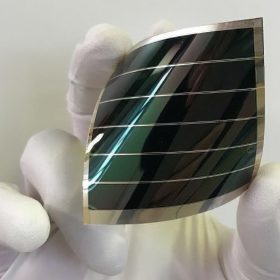
An organic solar cell with 25% efficiency
The ‘best conversion performance in the world in a dark room’ is how the developers of a new organic PV device have described it. Such cells could be used as a wireless source of energy for internet of things applications or in gadgets such as temperature-humidity and motion sensors.

Analyst expects recovery for PV and storage supply chains
U.S.-owned analyst Wood Mackenzie expects solar demand to decline but predicts the market will recover, with the prospects for the energy transition remaining intact.
Is green hydrogen necessary to balance a renewables grid?
A report by Norwegian energy consultant DNV GL has considered the opportunity for long-term energy storage to play a role in balancing annual supply and demand fluctuations in a renewables-led grid. Using 58 years of Dutch weather and energy consumption data, the study found long-term solutions such as green hydrogen could make a valuable contribution – but perhaps not as much as some analysts believe.
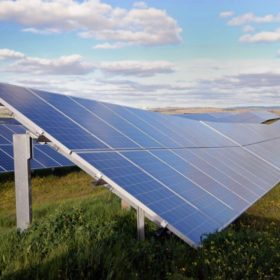
John Laing quits solar and wind saying returns no longer reflect risk
UK-based infrastructure investor John Laing will make no further investments in standalone solar and wind, following the write-downs taken on its European and Australian projects.
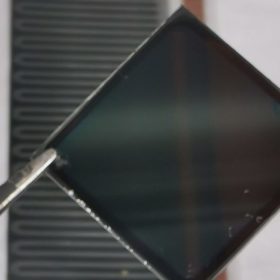
International consortium claims 25% efficiency for flexible CIGS solar cell
Researchers led by Belgian institute imec claim to have achieved the result with a 1cm² flexible thin-film cell intended for building-integrated PV application. The result tops the 24.6% efficiency the consortium announced in September 2018. The cell’s developers are now aiming for 30%.

Another one Bights the dust
Norwegian giant Equinor is the latest oil and gas company to abandon controversial plans to drill in the Great Australian Bight, following in the backtracks of BP, Chevron and Karoon Energy.