Cash for Christmas – Spark Infrastructure sale finalised in $5.2b all-cash transaction
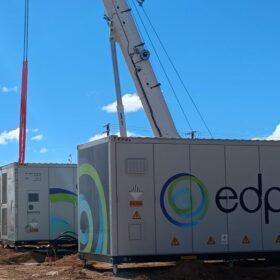
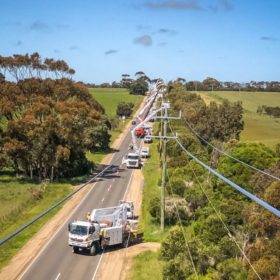
Following approval from the Foreign Investment Review Board in November, the long-awaited sale of grid-operator Spark Infrastructure to a North American consortium led by private equity giant Kohlberg Kravis Roberts has been completed via a $5.2 billion “all-cash transaction”.
Promising Sydney startup SunDrive fabricates its first full-sized panel
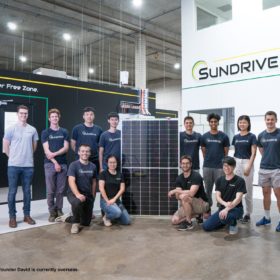
World beating Sydney-based startup SunDrive has given itself an early Christmas present in the form of the fabrication of its first full-sized panel. This panel marks the most recent milestone on the road to commercialisation for SunDrive, which set a new world record for commercial-sized silicon solar cell efficiency in September.
Installers to play key role in UNSW solar module recycling strategy
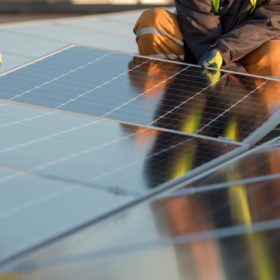
Solar installers are to play a key role in a unique ‘reverse logistics’ model which researchers from the University of New South Wales believe can help deliver an economically viable national recycling strategy as the number of decommissioned solar PV modules coming off Australian rooftops continues to grow.
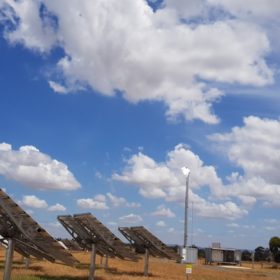
Photon offloads solar farm to focus on ‘solar-hydro’ technology in Australia
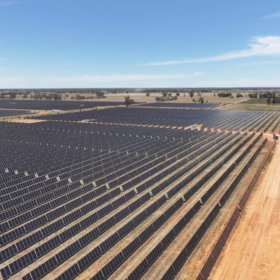
Netherlands-based renewables developer Photon Energy has reaffirmed its commitment to Australian tech company RayGen Resources’ innovative ‘solar-hydro’ technology, offloading its majority stake in the 160 MWdc Maryvale Solar Farm so it can focus its future development activities in Australia on large-scale projects featuring the solar-plus-storage technology.
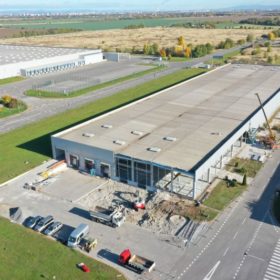
Rio Tinto targets European EV market for $2.4 billion lithium project
Anglo-Australian multinational Rio Tinto has invested in European-based battery technology and manufacturing company Inobat Auto with the mining giant aiming to extend its operations throughout the electric vehicle battery value chain in Europe.
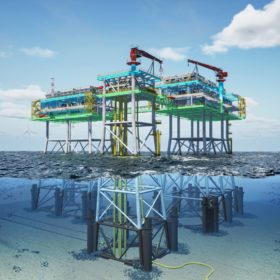
Three major WA hydrogen projects granted lead status & storing hydrogen in offshore caverns
Engie unit Tractebel is developing an offshore concept for the storage of hydrogen in caverns. Meanwhile, three major hydrogen projects in WA are set to receive support from the state government’s lead agency services, including Province Resources’ HyEnergy Project, The Murchison Hydrogen Renewables facility, and InterContinental Energy’s Western Green Energy Hub.
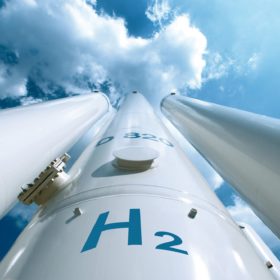
Japanese giant to increase its green hydrogen production out of Brisbane
Eneos, Japan’s largest oil company, is set to increase its production of green hydrogen in Queensland in 2022.
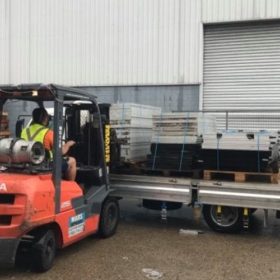
Australia prepares for first solar ‘upcycling’ facility while recycling operations expand
As Australia stares down a deluge of worn out solar panels, recycling – and indeed upcycling – programs are grinding into gear. In Victoria, a site has been found for Australia’s first facility to recover and reuse solar module materials, while Reclaim PV has extended its manufacturer partner and pickup location lists.
Marrying markets and physics – pushing the (dynamic) envelope of orchestration and VPPs
Virtual power plants have turned a corner in this country, SwitchDin founder, Andrew Mears tells pv magazine Australia. With the new technology now firmly established, we take a look at the new approaches to orchestration which will inform the next wave of distributed energy resources management.
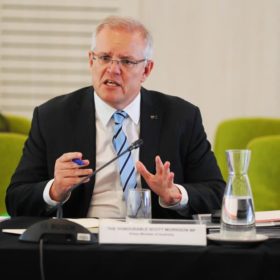
$26 billion in ‘new energy economy’ projects proposed in Queensland, as feds pay bizarre homage to coal
The Queensland government has highlighted its state attracted as much as $26 billion worth of “new energy economy projects”, according to new national resources reports. The federal government, on the other hand, used the reports to pay tribute almost exclusively to coal, with resources minister Keith Pitt dubbing it a “star”.