Let buyers jump queue for EVs by importing them directly
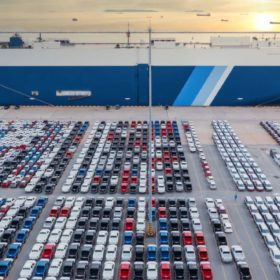
If Australia is to decarbonise our energy system by 2050, we need to start the transition to electric vehicles very soon. Cars sold in the 2030s will mostly still be on the road in 2050, so we have to make sure most of them are electric. But electric cars (including plug-in hybrids) currently account for only 3.5% of new car sales in Australia.
U.S. startup unveils portable solid-state lithium-ion battery for residential use
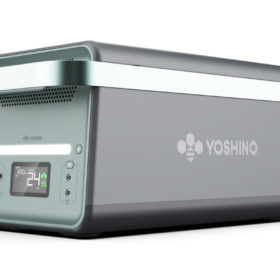
California-based Yoshino Technology has developed portable batteries using solid-state Li-NCM cell technology. The four variants come with power outputs of 330 W, 660 W, 2,000 W, and 4,000 W.
Nextracker to go public
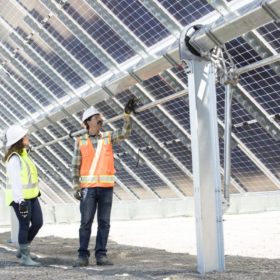
Singapore-based electronics giant Flex announced that its subsidiary, Nextracker, has publicly filed a registration statement for an initial public offering.
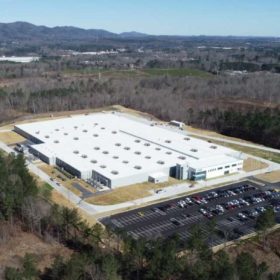
US court rules in favour of Q Cells in patent dispute with REC
The U.S. Patent Trial and Appeal Board has issued a favourable decision for Hanwha Q Cells over REC Solar’s patent claims. The court has ruled that the contested claims of REC’s U.S. patent were not patentable. The decision is similar to those in courts in China and Europe, according to Q Cells.
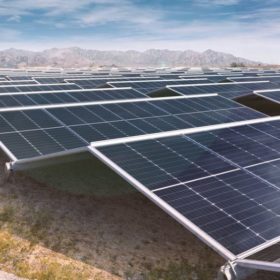
New modular solar solution counts on ‘slide-together’ system to cut costs
Aspiring modular solar array manufacturer Green Energy Systems has unveiled a new Australian-made prefabricated modular PV solution for large-scale applications that it says offers significant cost reductions by eliminating all stainless-steel nuts, bolts and other traditional fitments in favour of a slide-together aluminium junction system.
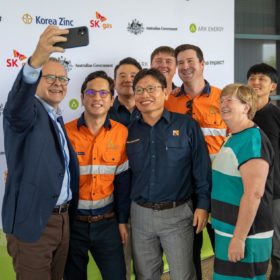
Albo tips Queensland hydrogen hub to help unlock $50 billion
The Australian government has unveiled a $70 million (USD 49 million) investment to aid the development of a green hydrogen hub in the north Queensland city of Townsville as it looks unlock the benefits of an industry which it says could inject an additional $50 billion (USD 35 billion) into the economy by 2050.
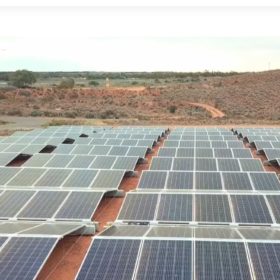
$30 billion Sun Cable crash is a setback but doesn’t spell end of Australia’s renewable energy export dreams
Sun Cable – considered to be the world’s biggest renewable energy export project – announced on Wednesday it had entered voluntary administration following “the absence of alignment” with shareholders.

SwitchDin to share Australian lessons with US-based VPP body
Energy management software company SwitchDin will share lessons learned during Australia’s ongoing transition to a two-way power grid with counterparts in the United States after teaming with a coalition of companies to scale up the use of virtual power plants.
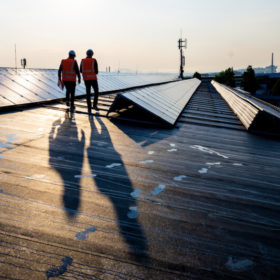
Report warns labour shortage poses risk to renewable energy transition
Australia’s capacity to achieve its renewable energy targets is under a cloud with a report published by the federal government-funded Reliable Affordable Clean Energy for 2030 Cooperative Research Centre warning a shortage of workers could cripple the electricity sector transition.
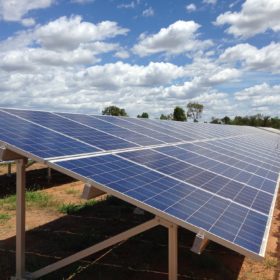
Queensland targets microgrid tech for regional resilience
The benefits of microgrid technologies will be explored by the Queensland government as it seeks to improve the resilience and reliability of electricity supply for remote and regional communities with an initial $10 million (USD 6.8 million) allocated to support the development of a pipeline of microgrid projects across the state.