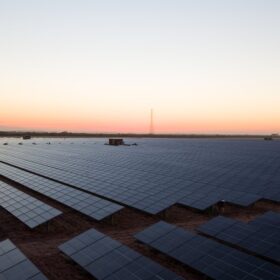
Greenough River project tops utility PV performance table
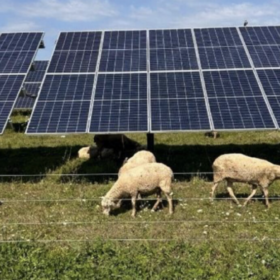
The 40 MW Greenough River Solar Farm in Western Australia has been identified by energy consultancy Rystad Energy as the best performing large-scale PV asset in Australia last month.

Solar generation faces major disruptions from TC Alfred
DNV company Solcast reports that solar generation in parts of eastern Australia is set to face significant disruptions as Tropical Cyclone Alfred hits the Queensland coast. Other areas may benefit from enhanced solar irradiance due to stabilising atmospheric conditions on the cyclone’s periphery.

Women now a ‘must have’ in energy workforce
As any industry goes through an evolution, its workforce needs to do the same. Australia’s energy sector is going through major changes. Fueled by strong government and private sector investment along with rising community demand and expectations, the industry needs to ensure it has the skills our future energy network requires. And the only way it is going to do that is by attracting more women into the industry.
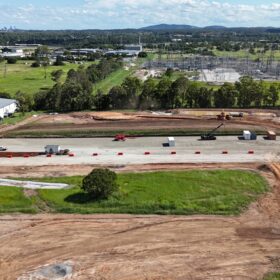
Quinbrook seeks renewable power ‘holy grail’ with eight-hour battery tech
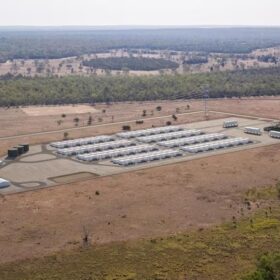
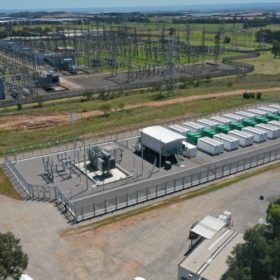
Australian green infrastructure investor Quinbrook Infrastructure Partners has announced it will roll out at least 3 GW of newly designed eight-hour duration battery energy storage systems across the country as it seeks to realise the “holy grail” of 24/7 cheap, renewable power.
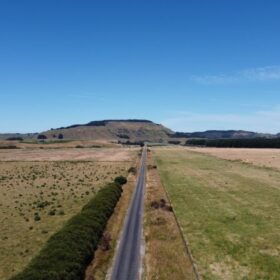
NZ developer lands council consent for 110 MW solar project
New Zealand renewables developer Helios Energy has secured resource consent for a 110 MW solar farm planned for the nation’s North Island, a project the company rates as a priority in its development pipeline.
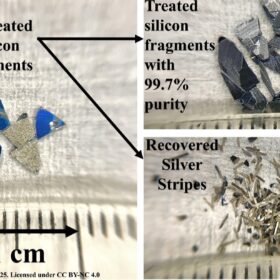
UNSW develops PV panel recycling method that recovers cell metals for upcycling
UNSW researchers were able to recover silicon from end-of-life solar PV panels pure enough for re-use in silicon carbide-based devices. Their novel multi-step method, that includes thermal and chemical processes, also recovers silver.
PNG opens tender for solar-plus-storage minigrid
The United Nations Office for Projects Services has kicked off a tender for the development and construction of a solar and battery storage minigrid in Papua New Guinea. The deadline for applications is March 24, 2025.
Off-grid lessons help drive new Vaulta battery tech
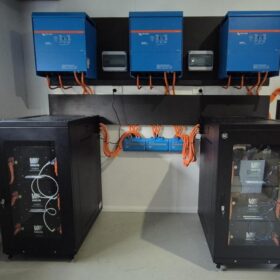
Battery manufacturer Vaulta is using lessons learned from Australia’s growing off-grid energy sector to spearhead the development of its next-generation battery energy storage technology.
Jolywood releases 595 W bifacial TOPCon solar panel for harsh environments
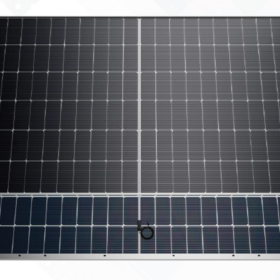
The Chinese manufacturer said that its new glass-backsheet Windproof module utilises a zinc-aluminum-magnesium surface alloy technology and a high-strength steel substrate. It features a power conversion efficiency of up to 23.03%.

PV manufacturers making move to coated backsheets
Hard-pressed Asian solar manufacturers have switched from multi-layer polymer backsheets to a single layer of polyethylene terephthalate (PET), with a protective coating on both sides of their modules. Backsheet makers confirm these products, known as “CPC,” are now mainstream. There is little evidence to demonstrate that they can withstand 30 years-plus of outdoor use, however.