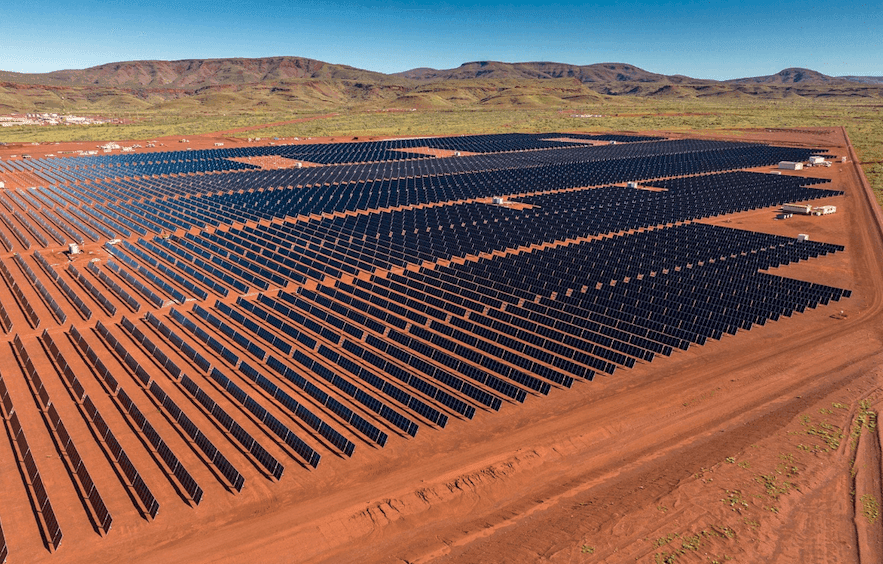





At Eora Energy, this belief is embedded in our name, our mission, and the way we approach growth.
“Eora” is derived from the language of the Aboriginal peoples of the Sydney region, meaning “here” or “from this place.” It is a reminder that energy projects are never abstract—they exist on land, within communities and across generations.
As the vanadium redox flow battery (VRFB) sector expands across Australia, particularly in mining regions and regional infrastructure corridors, there is a responsibility to ensure that development is inclusive, respectful and creates lasting value for Aboriginal and Torres Strait Islander communities.
Long-duration energy storage is emerging as a critical pillar of Australia’s energy future. Technologies like vanadium flow batteries offer the ability to store renewable energy for extended periods, stabilise the grid and reduce reliance on diesel in remote and off-grid locations. These are often the very regions where Indigenous communities are key stakeholders—economically, culturally and as custodians of Country.
That is why engagement cannot be an afterthought. It must be foundational.
Working with Indigenous communities is not just about consultation – it’s about partnership. Projects should create shared value, whether that’s through employment, local capability building or long-term economic participation.
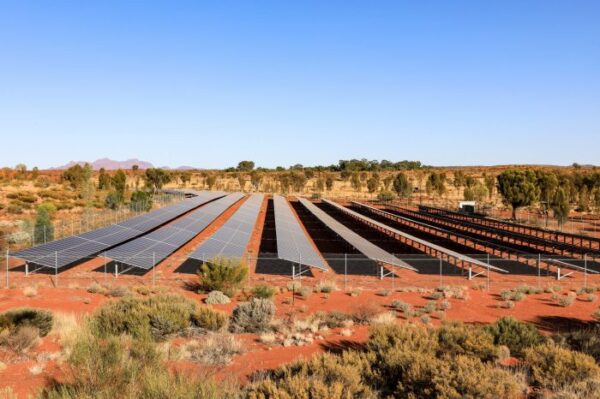
Image: Eora Energy
Across Australia, there is a growing recognition that the energy transition presents a unique opportunity to reshape how infrastructure is developed. Unlike legacy energy systems, which were often imposed on communities, the next generation of projects can – and should – be co-designed with those who live closest to them.
In practical terms, this means early engagement, transparency and a willingness to listen. It also means recognising the deep knowledge that Indigenous communities hold about land, environment, and sustainability – knowledge that can strengthen project outcomes if properly respected and integrated.
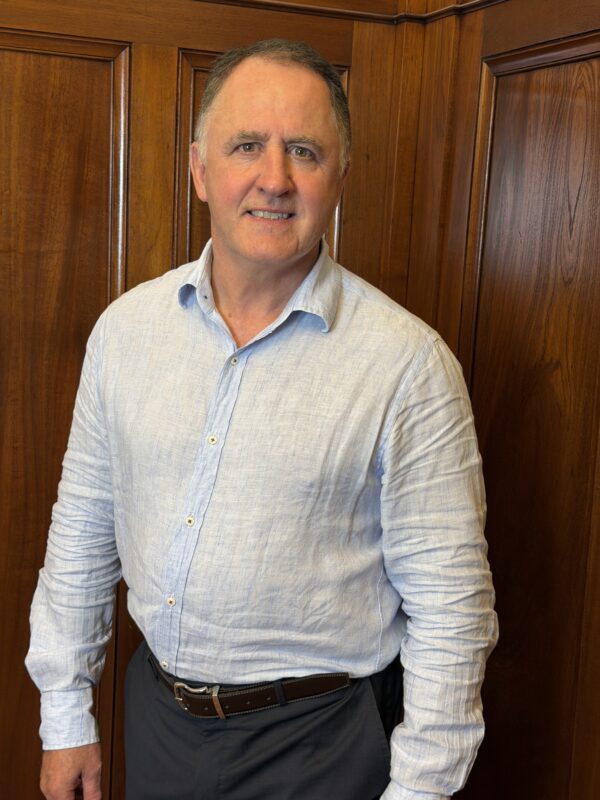
Image: Eora Energy
The expansion of vanadium battery storage will increasingly intersect with sectors like mining, where Eora Energy is already active and where many operations are located on or near Indigenous land. This creates an opportunity to align clean energy deployment with broader goals around regional development, energy independence and environmental stewardship.
We see a future where energy projects are not just located in regional Australia, but are genuinely owned – economically and socially – by the communities around them.
Importantly, this approach is not just the right thing to do – it is also essential for long-term success. Projects that are developed in partnership with communities are more resilient, more sustainable and more likely to deliver enduring benefits.
Australia has a chance to lead the world not only in the deployment of long-duration energy storage, but in how that deployment is done. By embedding Indigenous engagement into the core of project development, we can create an energy system that reflects both innovation and inclusion.
At Eora Energy, we believe the transition to clean energy should also be a transition to better partnerships – grounded in respect, shared value and a deep understanding of place.
Because the future of energy in Australia won’t just be measured in megawatts and megawatt-hours. It will be measured in the strength of the relationships we build along the way.
*
Author: Eora Energy Chief Executive Officer and Co-Founder James Costello.
The views and opinions expressed in this article are the author’s own, and do not necessarily reflect those held by pv magazine.
This content is protected by copyright and may not be reused. If you want to cooperate with us and would like to reuse some of our content, please contact: editors@pv-magazine.com.


By submitting this form you agree to pv magazine using your data for the purposes of publishing your comment.
Your personal data will only be disclosed or otherwise transmitted to third parties for the purposes of spam filtering or if this is necessary for technical maintenance of the website. Any other transfer to third parties will not take place unless this is justified on the basis of applicable data protection regulations or if pv magazine is legally obliged to do so.
You may revoke this consent at any time with effect for the future, in which case your personal data will be deleted immediately. Otherwise, your data will be deleted if pv magazine has processed your request or the purpose of data storage is fulfilled.
Further information on data privacy can be found in our Data Protection Policy.