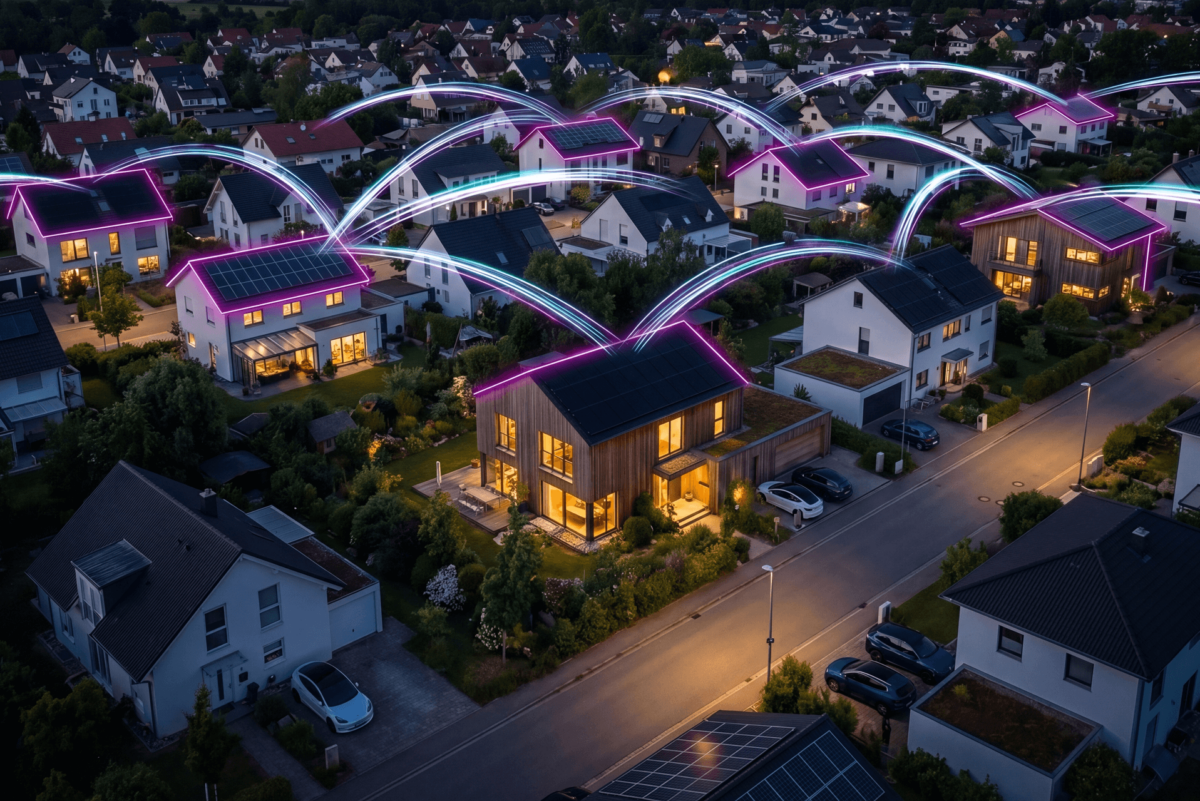





The Australian arm of Germany-headquartered renewable energy group 1KOMMA5° has achieved 1 GW of shiftable load in Europe with its virtual power plant (VPP) globally, and is rolling out the same technology here.
Heartbeat Artificial Intelligence (AI) connected 500 MW within three years in Europe, with the jump to 1 GW marking a significant acceleration, a company statement explained.
The company’s goal is to connect 20 GW of capacity as soon possible to create a flexibility level that can balance power production and consumption on a large scale.
Comparing the 1 GW capacity to the output of a contemporary nuclear power plant, the Heartbeat AI platform intelligently integrates solar systems, heat pumps and electric vehicles (EVs) to replace fossil-fuel power plant generation.
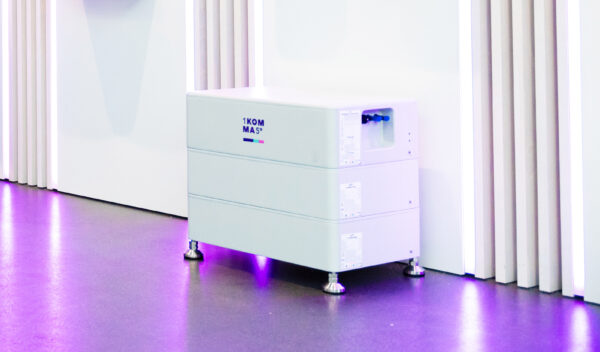
The rollout of Heartbeat AI in Australia coincides with a record uptake of home batteries, a widening firming and storage gap as coal-fired power plants are retired from the National Electricity Market (NEM), and the prevalence of solar curtailment and negative wholesale prices.
1KOMMA5° Australia Brand Director Andre Scott said Heartbeat AI is an intelligence layer that turns batteries, solar systems and EVs into grid value, lowers household bills and helps firm a network that needs flexibility more than ever.
“Australians are installing batteries at record rates, but a battery sitting passively in a garage is only doing half the job,” Scott said.
“Reaching 1 GW globally proves what we are now bringing to Australian homes works at real scale,” Scott said.
1KOMMA5° Chief Product Officer and Heartbeat AI GmbH Co-managing Director Jannik Schall said it’s often heard renewables are to blame for rising electricity prices.
“Yet, negative wholesale electricity prices show how significantly renewable energies can lower the price of electricity,” Schall said.
“At the same time, high negative prices are a sign that the power system lacks flexibility and storage capacity. Our goal is to connect 20 GW of capacity as quickly as possible. This will create a flexibility lever that can balance power production and consumption on a large scale.”
This content is protected by copyright and may not be reused. If you want to cooperate with us and would like to reuse some of our content, please contact: editors@pv-magazine.com.


By submitting this form you agree to pv magazine using your data for the purposes of publishing your comment.
Your personal data will only be disclosed or otherwise transmitted to third parties for the purposes of spam filtering or if this is necessary for technical maintenance of the website. Any other transfer to third parties will not take place unless this is justified on the basis of applicable data protection regulations or if pv magazine is legally obliged to do so.
You may revoke this consent at any time with effect for the future, in which case your personal data will be deleted immediately. Otherwise, your data will be deleted if pv magazine has processed your request or the purpose of data storage is fulfilled.
Further information on data privacy can be found in our Data Protection Policy.