Technology & Products

Australia’s unique climate conditions and rapid adoption of solar technology make it a fertile ground for innovation and product adaptation. In this category, we delve into the performance and resilience of PV modules, advanced inverter technologies, balance-of-system components, and battery storage solutions suited to both grid-connected and off-grid environments. Coverage includes trends in product efficiency, durability, safety certifications, and the increasing demand for home energy management systems. As the market matures, Australian consumers and businesses are driving demand for smarter, more integrated, and robust solar solutions.
Advertisement
Advertisement
Advertisement
Latest News
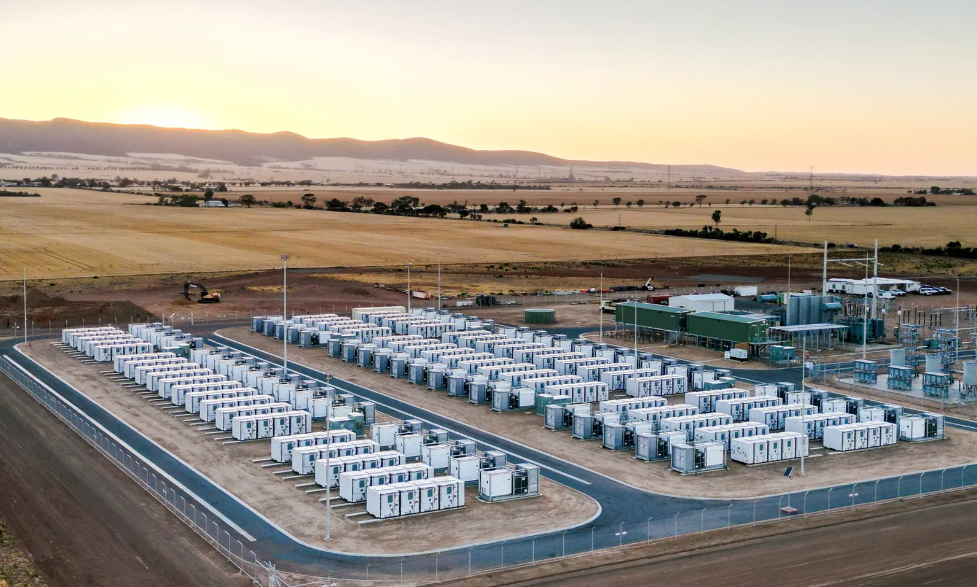
Valo to deliver 1.6 GWh battery storage system using Wärtsilä GridSolve technology
Awarded the contract to deliver the 400 MW / 1,600 MWh Teebar Battery Energy Storage System in Queensland, new energy storage integrator Valo will deploy over 440 containerised batteries for project owner Atmos Renewables.
20 hours ago
Advertisement
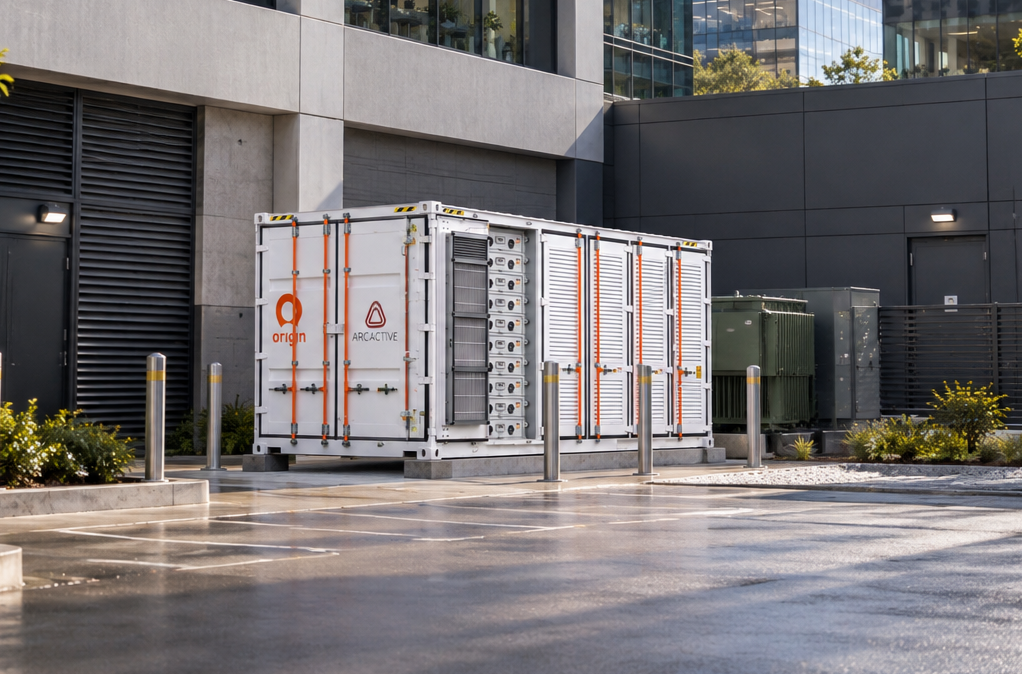
Up the ante on ambition: $250 million Solar Sunshot Round 3 now open
The Australian Renewable Energy Agency has opened the $250 million Solar Sunshot Round 3, for local and global companies to develop product, manufacture, or scale-up technology capable of reducing large-scale solar costs and speeding up solar build times in Australia.


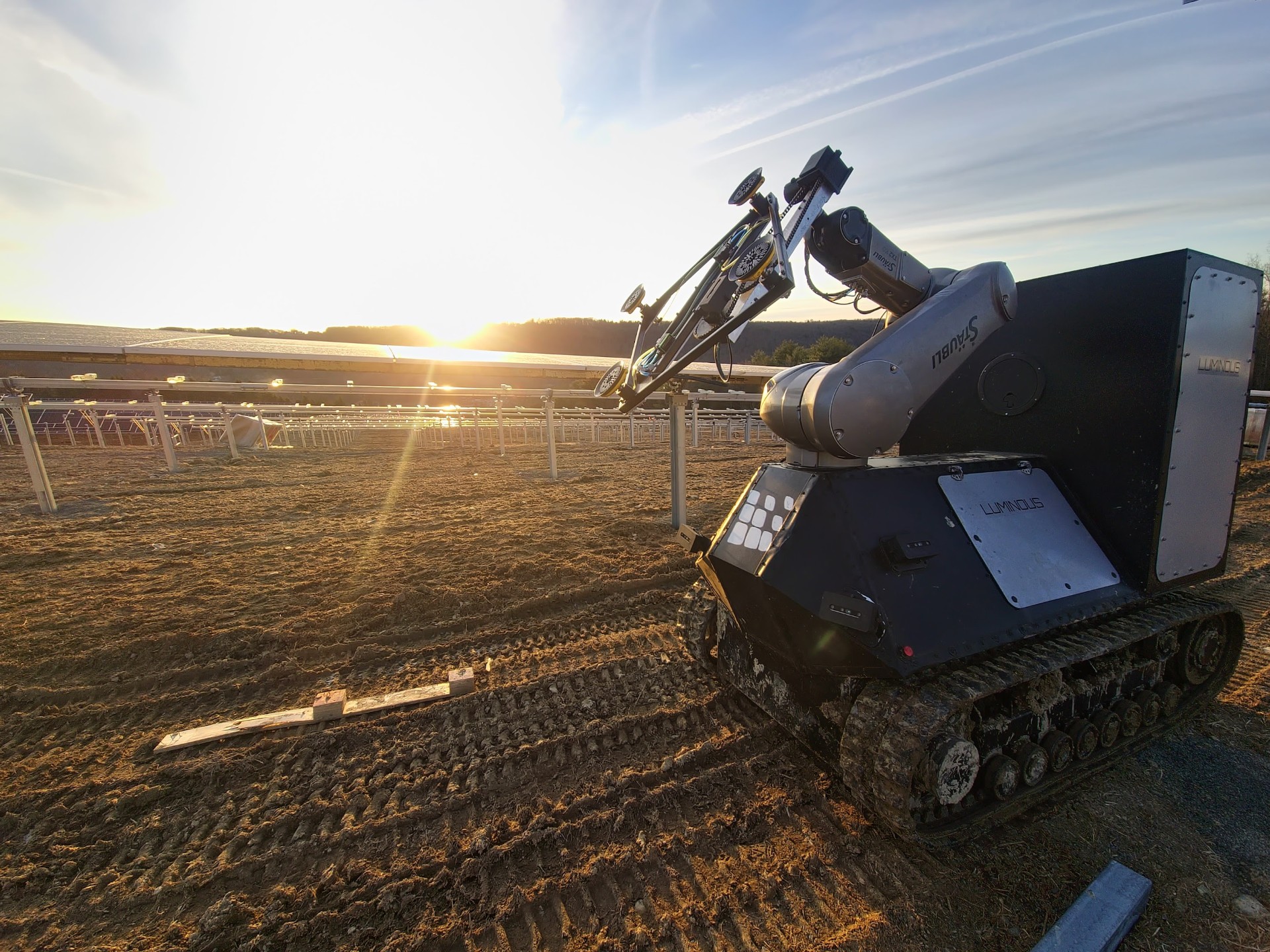
ARENA pumps $32.3 million into solar robotics manufacturing projects
Australian-made solar panel installation and piling robots are moving towards commercial-scale production with the federal government committing more than $32 million to establish new manufacturing facilities in Victoria and Queensland.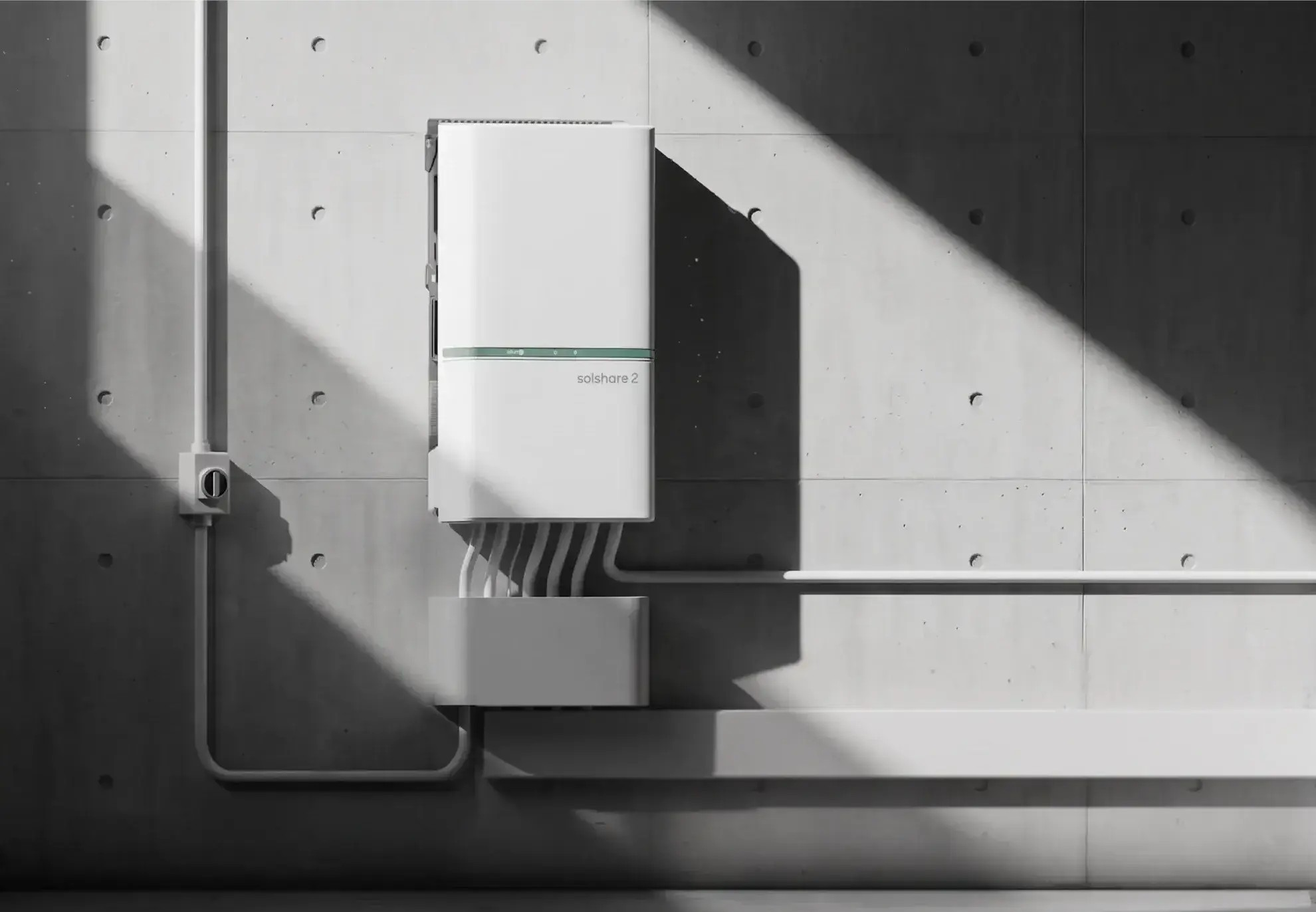
Advertisement
All Technology & Products news
Valo to deliver 1.6 GWh battery storage system using Wärtsilä GridSolve technology
Awarded the contract to deliver the 400 MW / 1,600 MWh Teebar Battery Energy Storage System in Queensland, new energy storage integrator Valo will deploy over 440 containerised batteries for project owner Atmos Renewables.
Up the ante on ambition: $250 million Solar Sunshot Round 3 now open
The Australian Renewable Energy Agency has opened the $250 million Solar Sunshot Round 3, for local and global companies to develop product, manufacture, or scale-up technology capable of reducing large-scale solar costs and speeding up solar build times in Australia.
Advertisement
ARENA pumps $32.3 million into solar robotics manufacturing projects
Australian-made solar panel installation and piling robots are moving towards commercial-scale production with the federal government committing more than $32 million to establish new manufacturing facilities in Victoria and Queensland.
Advertisement
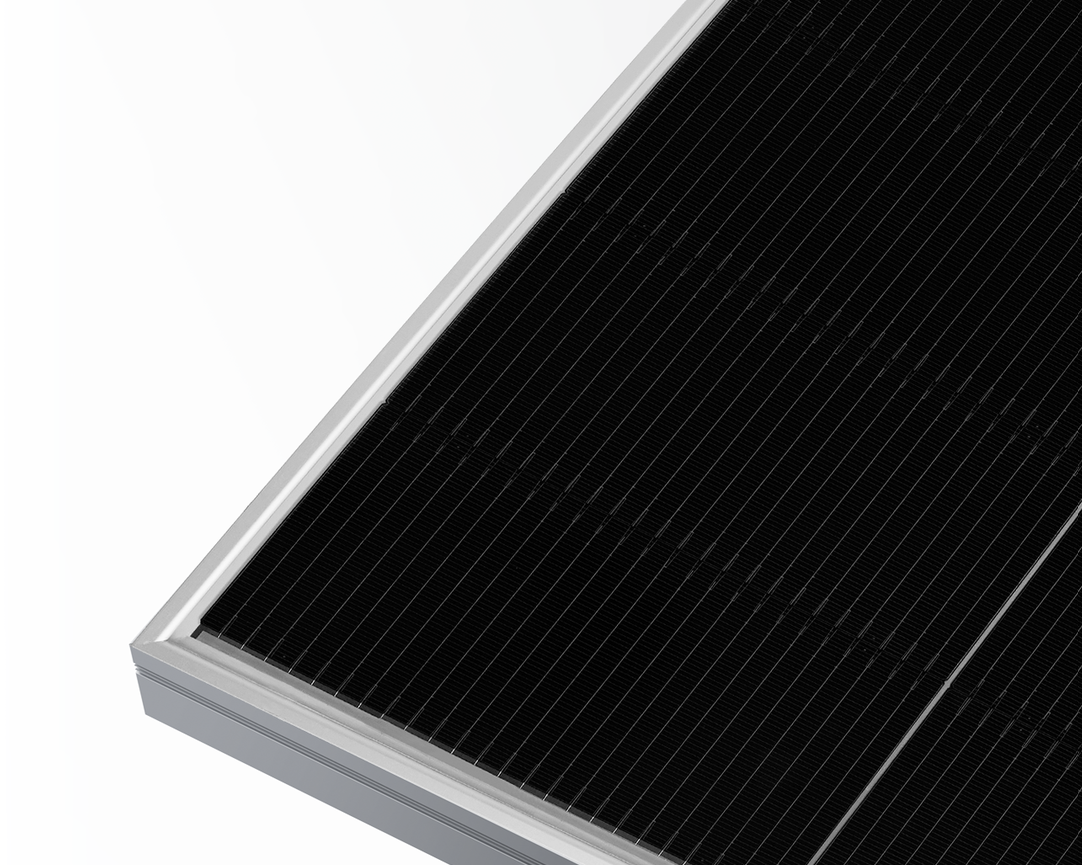
Risen releases 23.5%-efficient anti-glare HJT solar module
Risen Energy has unveiled a new anti-glare heterojunction solar module featuring a dual-layer optical design and a power output of up to 730 W. The bifacial panel achieves a maximum efficiency of 23.5% and has received Class AAA anti-glare certification from TÜV Rheinland.
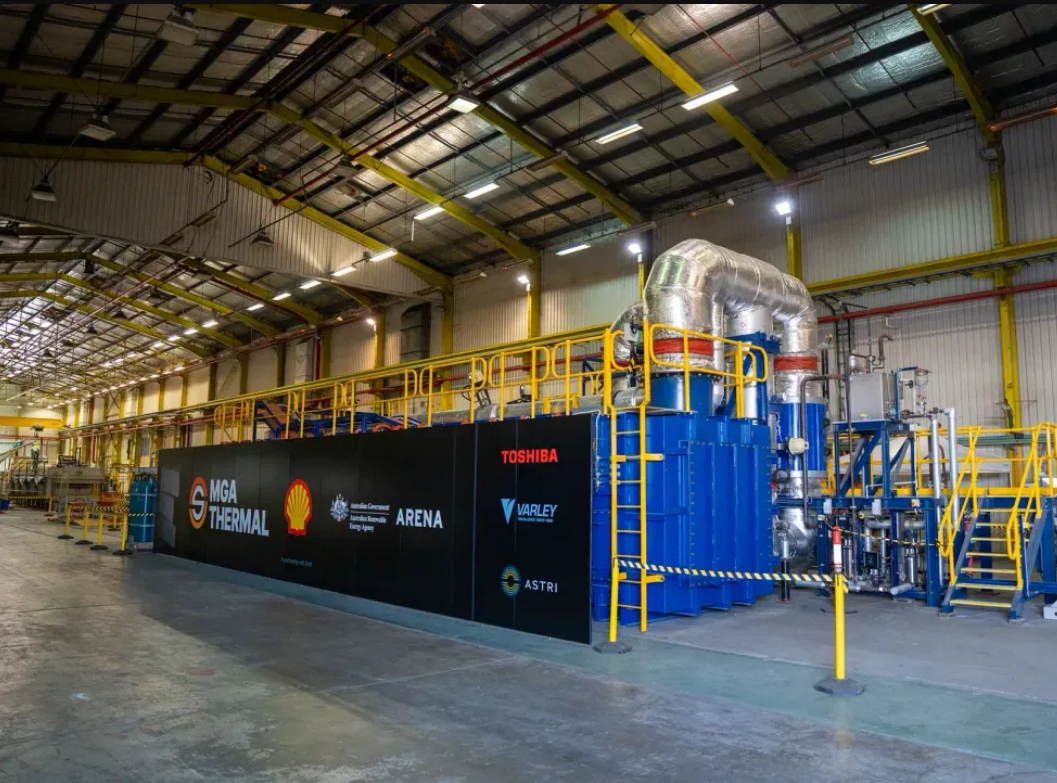
Thermal energy storage delivers industrial heat but can solve grid issues too
A recent IEA report proposed a 35% global electrification target by 2035 was in “striking distance” thanks to existing commercial technologies such as electric vehicles and battery storage systems but the electrification of heat-dependent industry sits outside the target, yet commercial technologies can play a role in the broader grid system.
Advertisement