Western Australia is closing in on its first commercial-scale green hydrogen
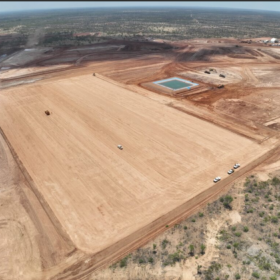
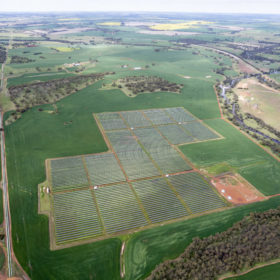
Western Australia has never been closer to demonstrating commercial-scale green hydrogen as Infinite Green Energy’s MEG HP1 project utilising the 11 MW Northam Solar Farm pushes toward completion.
Queensland startup strikes deal for hydrogen boilers
Brisbane startup Line Hydrogen today announced a deal with Canada’s Jericho Energy Ventures’ which will see it bring hydrogen boilers to Australia.
Hunter Valley hydrogen hub vision balloons with AGL & FFI considering up to 2 GW
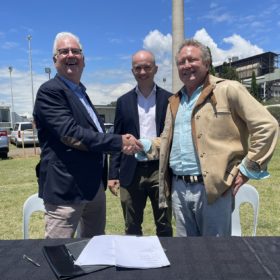
Bringing on board gas giants APA Group, Inpex Corporation, Osaka Gas and distributor Jemena, AGL and Fortescue Future Industries say their Hunter Valley coal to hydrogen hub conversions could be as large as 2 GW – though the insistence on green hydrogen does appear somewhat muddied by the new partnerships.
Bristol Springs study paves way for low-cost green hydrogen
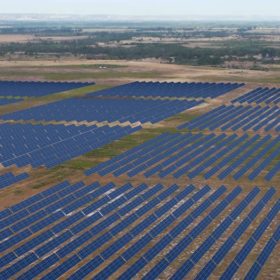
Frontier Energy’s plans to produce green hydrogen powered by renewable energy sourced from the potential 500 MW Bristol Springs Solar project it is developing in Western Australia has received a major boost with a study revealing the cost of hydrogen production could be as low as $2.85 per kilogram.
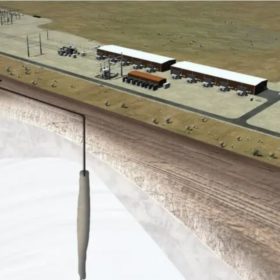
World’s largest underground hydrogen storage project
Mitsubishi Power Americas and Magnum Development are set to begin construction on a 300 GWh underground storage facility in the US state of Utah. It will consist of two caverns with capacities of 150 GWh, to store hydrogen generated by an adjacent 840 MW hydrogen-capable gas turbine combined cycle power plant.
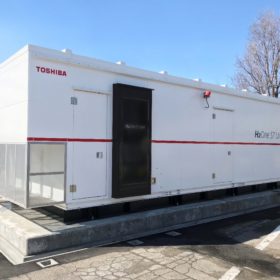
Toshiba energises PV-powered hydrogen refuelling station in Japan
The system is reportedly able to refill about eight hydrogen fuel cell vehicles, each in three minutes. It is also able to supply electric power by using hydrogen produced with renewable energy within the station.
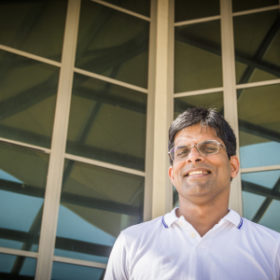
NT’s first hydrogen-fuelled generator piloted by Charles Darwin University
The Northern Territory is set to install its first hydrogen energy storage system as part of a pilot being operated by the Charles Darwin University in Darwin.
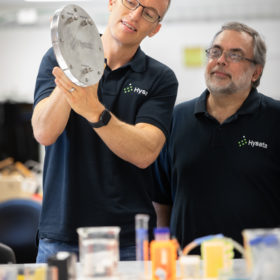
‘Game changing’ electrolysis technology from NSW closes $42m funding round oversubscribed
Australian hydrogen tech company Hysata has raised over $40 million in funding, attracting backing from major institutional players including CEFC, Hostplus and Bluescope. Hysata is seeking to commercialise a breakthrough made at the University of Wollongong which CEO Paul Barrett describes as “brand new category of electrolyser” with 95% system efficiency.
CSIRO steps in to provide expertise for SA natural ‘gold’ hydrogen rush
West Australian natural hydrogen startup H2EX will work with Australia’s national science agency, the CSIRO, to study natural hydrogen systems in South Australia’s Eyre Peninsula, describing the research as a “pivotal first step” for the nascent industry. Natural hydrogen proponents believe projects could deliver some of the world’s cheapest hydrogen quickly and with a minimal footprint.
Update: New tech to produce hydrogen from tap water
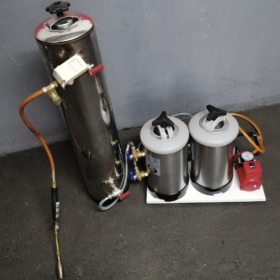
A Spanish scientist has developed a system that reportedly produces hydrogen on-site without expensive electrolysis. The prototype utilises a water tank that is initially filled with water, ferrosilicon, and sodium hydroxide.