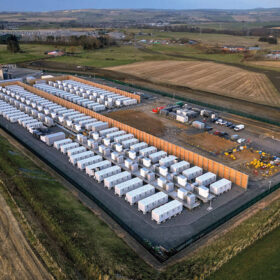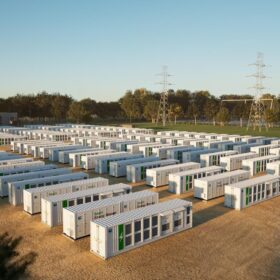
Chinese manufacturers surge ahead in Australia’s battery storage market
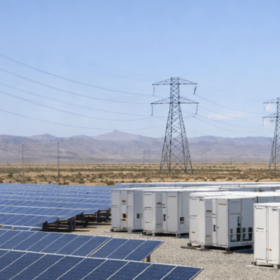
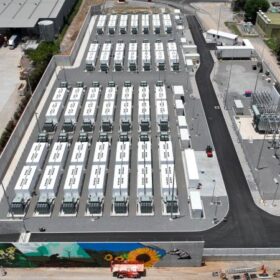
About 10 GWh of battery energy storage supply deals were announced at or following All Energy, further contributing to the already rapidly growing market share of Chinese manufacturers in Australia.
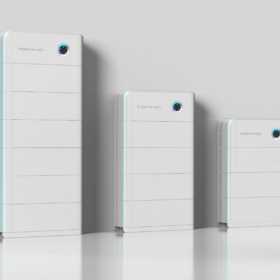
Sigenergy points to installation practices for product recall
Sigenergy says the issue that has prompted a voluntary recall of the company’s 8 kW, 10 kW and 12 kW single-phase inverters in Australia and New Zealand stems from incorrect installation practices, not a product defect.
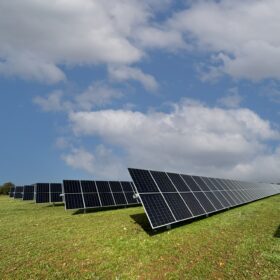
Octopus awards key contracts for hybrid solar and battery project
The Australian arm of British renewables developer Octopus Investments has awarded key contracts as it pushes ahead with construction of a $900 million hybrid solar and battery energy storage project in southern New South Wales.
Hydro Tasmania seeking 1,500 GWh new solar, wind
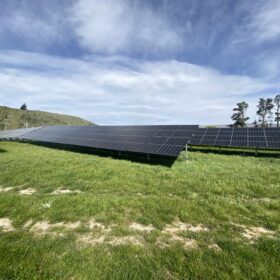
Hydro Tasmania is seeking to increase its renewable energy generation to meet growing energy demands and support the state’s industrial expansion.
Sinovoltaics releases new PV inverter manufacturer financial stability ranking
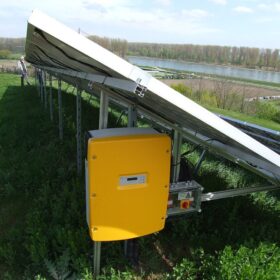
The quality assurance firm updated its inverter manufacturer financial stability ranking with Kstar Science and Technology, APSystems and Delta Electronics in the top three spots. It reported 19 manufacturers showing “strong financial resilience” based on Altman-Z scores.
Australia breaks record with 5.2 GW solar installations in 2024: IEA report
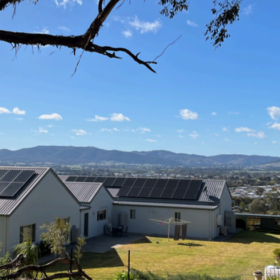
An International Energy Agency survey of solar power applications in Australia shows 5.2 GW of installations in 2024 were achieved and the total capacity of solar at 40 GW, includes 26.1 GW of distributed systems and 13.4 GW of centralised installations.
Waratah Super Battery transformer failure raises insurance questions
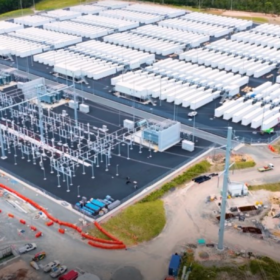
A transformer failure at the 850 MW Waratah Super Battery could trigger multimillion-dollar insurance claims and project delays, illustrating how a single unit outage can escalate at one of Australia’s largest battery projects.
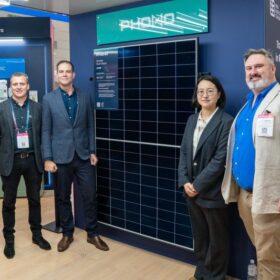
Phono launches 475 W back-contact panel in Australian market
Chinese manufacturer Phono has launched a new bifacial solar panel in the Australian market featuring an output of 475 W and a power conversion efficiency of 23.27%.

Unidentified buyer snaps up Gunning solar and battery project
Project developer Recurrent Energy has capped a busy couple of weeks in the Australian market with the sale of a 250 MW solar and 120 MW battery project in New South Wales to an unidentified European buyer.
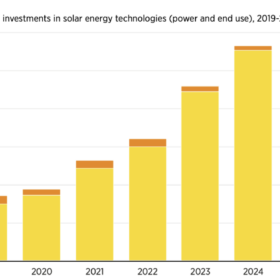
IRENA says $851 billion invested in solar technologies in 2024
The International Renewable Energy Agency says solar is the only renewable energy technology where current investment levels are approaching the annual average needed through to 2030 to align with its 1.5 C pathway.