Markets & Policy

Australia’s solar industry is deeply influenced by federal and state-level energy policies, regulatory frameworks, and evolving market mechanisms. This category offers comprehensive analysis of renewable energy targets, policy reforms, electricity pricing, and incentive programs like the Small-scale Renewable Energy Scheme (SRES) and Large-scale Renewable Energy Target (LRET). We also explore political debates, regulatory shifts, and the financial and strategic moves of key market players shaping the future of solar in Australia—from utility-scale developers to community-driven solar initiatives.
Advertisement
Advertisement
Advertisement
Latest News

Ausgrid trials C&I rooftop solar initiative to share energy benefits with renters
Ausgrid is rolling out a trial to turn commercial and industrial rooftop solar surplus into an opportunity to share energy with consumers without solar access, such as neighbourhood renters and apartment dwellers.
21 hours ago
Advertisement
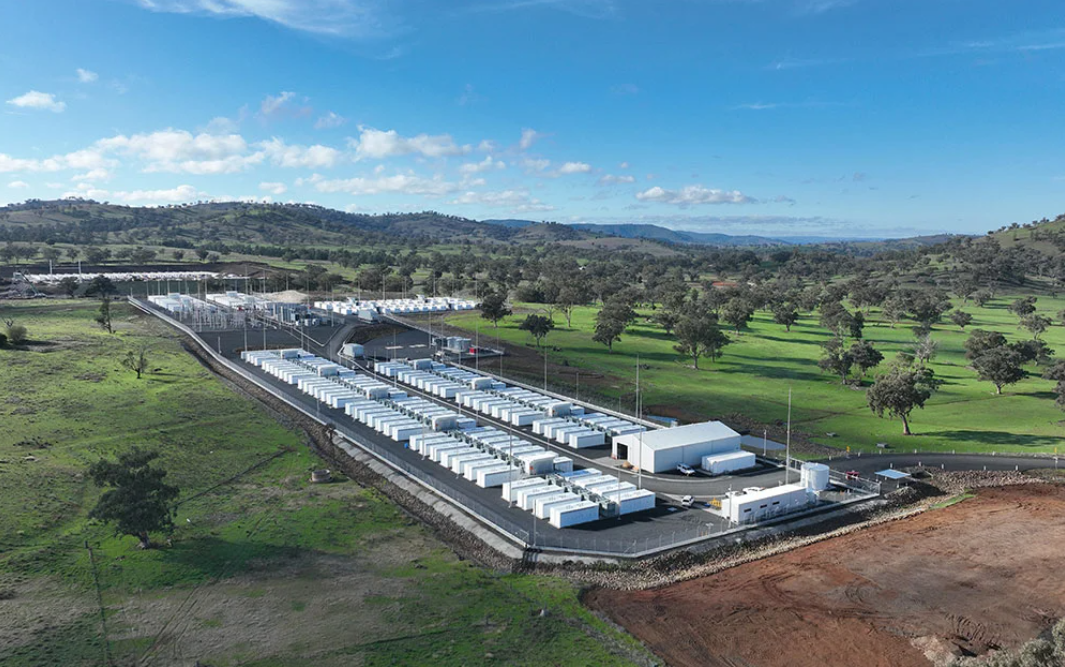
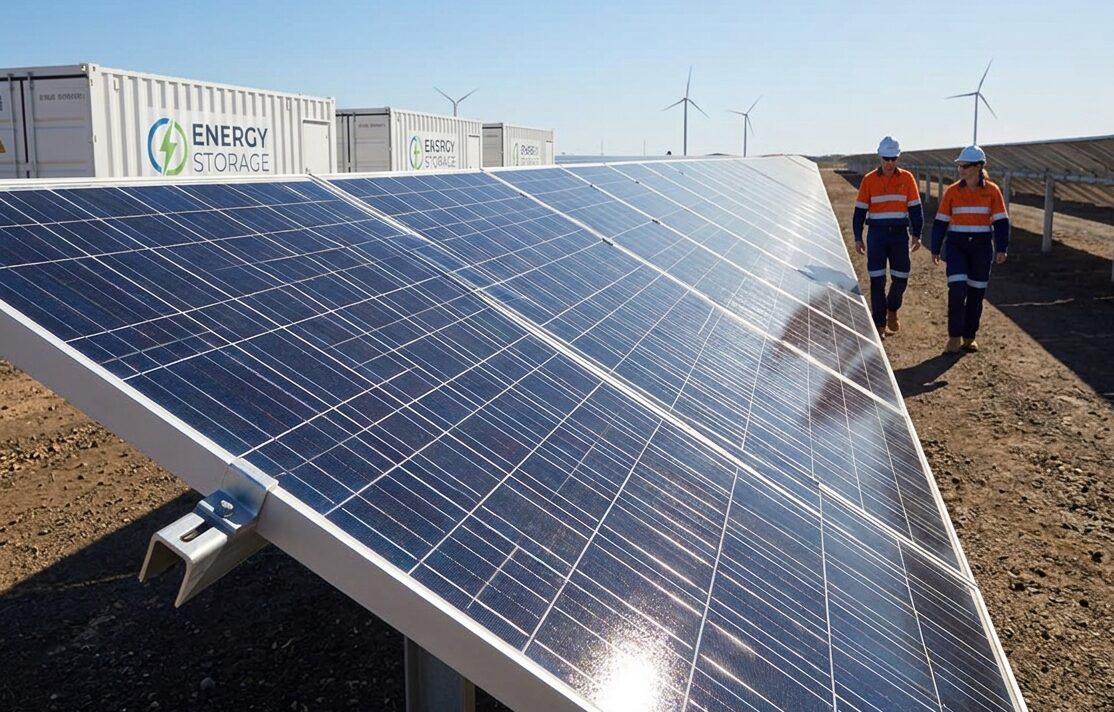
Make renewables infrastructure to make them investible
The financing market for wind and solar assets is dead. Or at least comatose. A large part of the industry is for sale. There are no buyers. Offshore investors were on the point of having insult added to injury by having their mostly meagre profits taxed.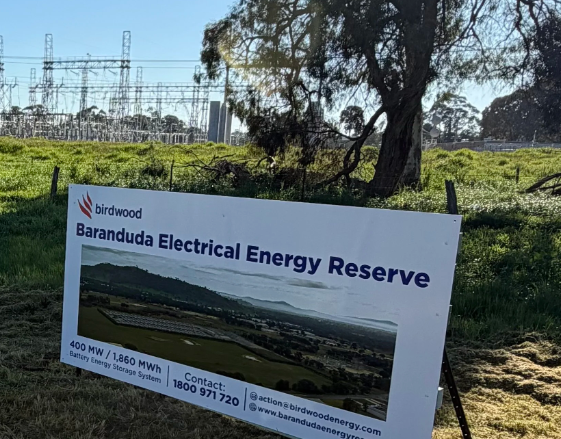


Advertisement
All Markets & Policy news


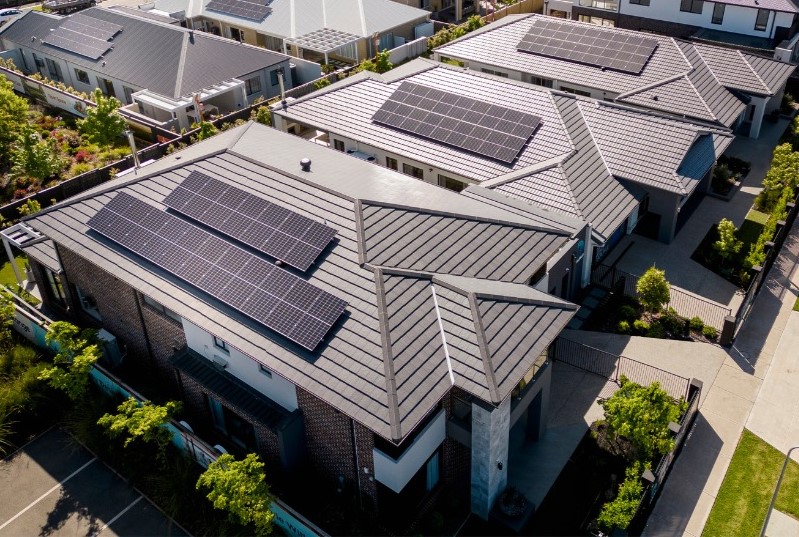
Energy bill relief better served by behind-the-meter solutions education
Energy retailers are called upon to educate housholds about the benefits of behind-the-meter energy solutions after the Federal Budget’s short-term energy bill relief falls short of savings already delivered to households through rooftop solar, electric vehicles (EVs), and automated orchestration.
Advertisement

$2 billion CEFC commitment banks on future clean energy investments: Budget
The 2025-26 Federal Budget has committed $2 billion to the Clean Energy Finance Corporation to invest in solar and other renewable power, storage, energy efficiency, and low emissions technology, saying it will unlock a further $8 billion in investments.

Jinko and Trina Vietnam manufacturing exports attract new US tariffs
The U.S. Department of Commerce dramatically increased tariffs on imports from Chinese solar producers operating in Vietnam after the agency concluded that China is subsidizing raw materials for its companies to use in their Vietnamese factories.

Advertisement


Advertisement