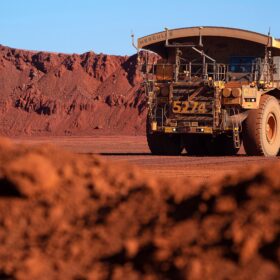
BHP inks deals to explore battery tech opportunities
Mining giant BHP has struck early-stage agreements with two of the world’s largest battery manufacturers to explore the application of battery technology and electrification across its global operations.
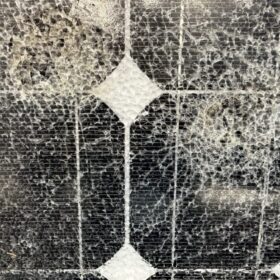
Upcycling solar glass waste to use in solid-state lithium batteries
Researchers in Singapore have milled solar panel glass waste for use in cathodes in solid-state lithium metal batteries. When used as a functional filler in solid polymer electrolyte (SPE) material, the resulting battery performance was maintained over 80 charge cycles with an 8.3 % improvement over the reference device.

Malaysian utility unveils hydro-floating solar, hydrogen hubs
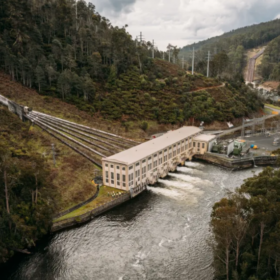
Tenaga Nasional Berhad says the newly-announced hybrid hydro floating solar hub and green hydrogen hub will position Malaysia as a regional leader in the green hydrogen value chain.
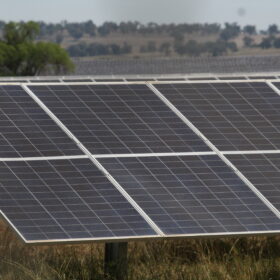
AEMO forecasts increased solar curtailment in NEM
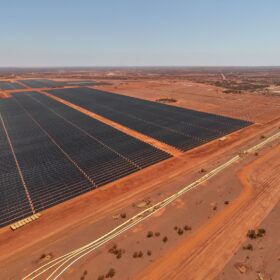
New large-scale solar farms in Australia’s southeast could be forced to curtail up to two thirds of their power generation by 2027 due to delays in energy transmission infrastructure projects, according to new analysis from the Australian Energy Market Operator.
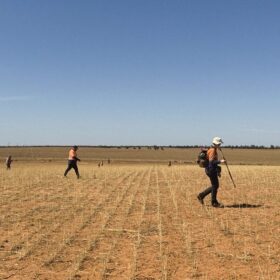
Edify seeks federal tick for 2.4 GWh solar and storage project
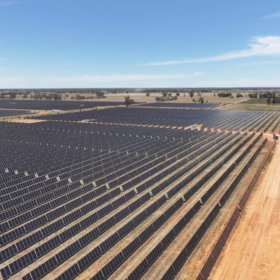
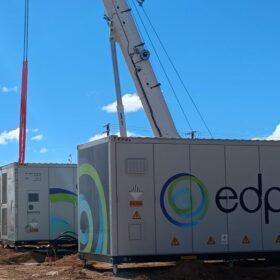
Australian renewables developer Edify Energy has unveiled plans for a major 2.4 GWh solar and integrated battery energy storage facility in northwest Victoria, adding to its growing portfolio of power generation and storage projects.
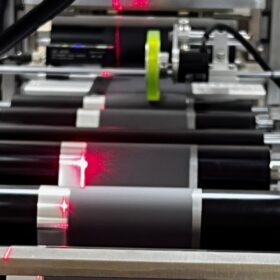
Li-S achieves Australian first with lithium metal foils
Li-S Energy has produced Australia’s first lithium metal foils at its cell production facility in Victoria, a milestone the company says supports its broader mission to commercialise high-performance lithium-sulfur and lithium metal batteries.
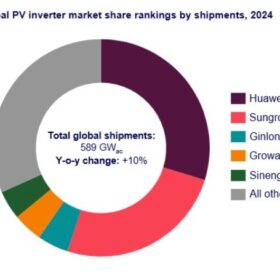
Huawei leads global inverter market as shipments hit 589 GW in 2024
Chinese companies made up nine of the 10 largest global inverter suppliers in 2024, with total inverter shipments reaching 589 GW (AC), according to Wood Mackenzie.
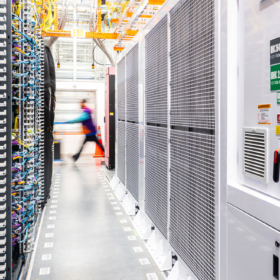
Powering Australia’s data centre boom: Navigating energy compliance and opportunity
Australia’s data centre sector is booming, driven by AI and digital growth – but so too are the energy and regulatory challenges.
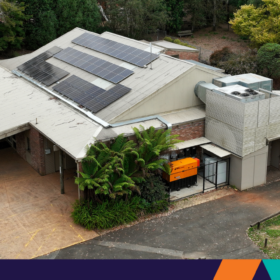
$6.6 million neighbourhood batteries program kicks off final funding round
The Victorian government has launched its third and final round of grant funding through the 100 Neighbourhood Batteries Program, offering $400,000 per battery through multiple streams of eligibility to a pool of nine council regions.
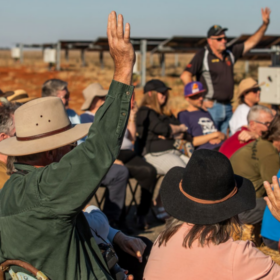
Benefits sharing guide launched for communities in renewable energy zones
Community Power Agency has released a guide for regional communities hosting multiple renewable energy projects to promote benefit sharing strategies that ensure a stake over the next 25 years in an estimated $1.9 billion opportunity.