Australia and US push to ‘friendshore’ critical supply chains draws rebuke from China
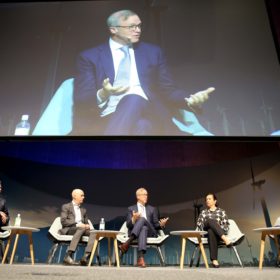
“Australia’s critical minerals are at the centre of an important moment in history which could dictate the shape of the world that we will live in for the next century,” federal resources minister Madeleine King told the Rare Earth Conference in Canberra. With the strategy to grow critical mineral supply chains between Australia and the US gaining momentum, this concept of “friendshoring” was in the spotlight at All Energy 2022.
Thailand introduces FIT scheme for solar, storage
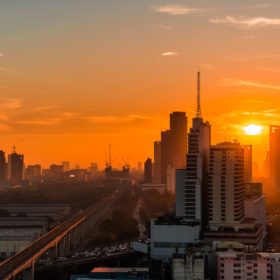
In an unexpected move, the government of Thailand has introduced a feed-in-tariff (FIT) of $0.090 (THB 2.1679)/kWh over 25 years for solar and a 25-year FIT of THB $0.075 (THB 2.8331)/kWh for solar plus storage.
Rise of the ‘full stack’ strategy
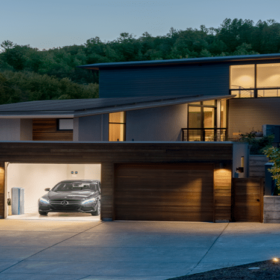
“Integration” was the war cry at this year’s All Energy conference in Melbourne, with an unmistakable push, especially among ‘premium’ brands, toward vertically stacked product suites bundling solar, batteries, energy management platforms, virtual power plants and electric vehicle chargers into one super solution. How big is the market for such a proposition in Australia though? And does streamlining stymie flexibility? pv magazine Australia spoke to a number of brands on the promise, and limits, of the full stack strategy.
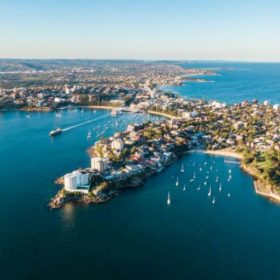
Sydney’s Northern Beaches Council reaps solar savings
Sydney’s Northern Beaches Council has seen its energy costs slashed by switching to renewables.
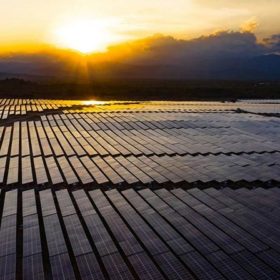
Vietnam set to open renewable energy market to PPAs
The Vietnamese government has been working on a scheme to allow bilateral power purchase agreements (PPAs) since 2020. The start of the pilot scheme has been delayed and is now expected for the first quarter of 2023. The official program would launch in 2025.
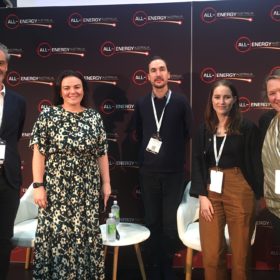
How to build on Australia’s solar rollout
Speakers at the CEC All-Energy conference in Melbourne have prioritised the built environment as ripe for embedding higher efficiency and sustainability standards.
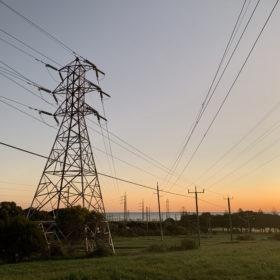
NSW payments for hosting new transmission lines set to double
As it looks to replace its ageing coal-fired fleet and accommodate a growing share of renewables on its grid, New South Wales has pledged to nearly double the average payments landlords across the state receive for hosting high voltage transmission lines.
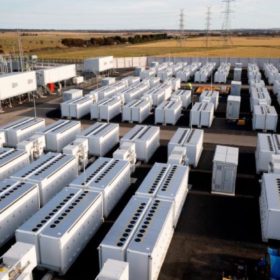
Renewed calls for renewable energy storage scheme to address firming shortfall
A looming energy storage shortfall has promoted renewed calls from the renewable energy industry for a national renewable energy storage scheme. The scheme would consist of a series of large-scale project tenders designed to unleash desperately needed investment.
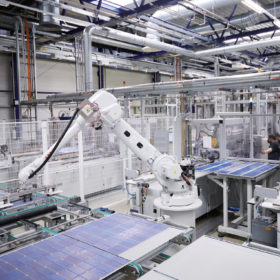
Global installed PV capacity could hit 260 GW in 2022
The International Energy Agency Photovoltaic Power Systems Programme (IEA PVPS) estimates that 173.5 GW of new solar capacity was installed in 2021, and that figure might rise to 260 GW in 2022. pv magazine spoke with the co-chair of the European Solar Manufacturing Council to look into the figures.
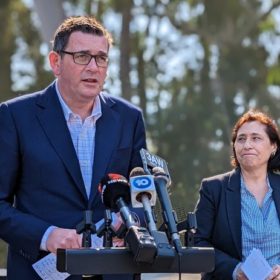
Victoria to target 95% renewable energy by 2035
The Victorian government has announced an ambitious target to reach 95% renewables by 2035, to end the state’s reliance on coal generation, and to establish a publicly owned corporation that will see the state hold a controlling stake in new renewable energy projects.