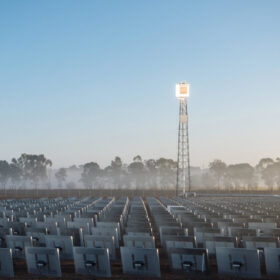
Contracts awarded for concentrated solar-powered green methanol plant
Australian concentrated solar thermal energy specialist Vast Renewables has announced key contracts for its proposed Solar Methanol 1 green fuels project being developed in South Australia.
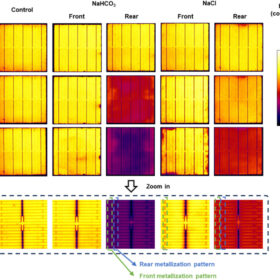
New research shows vulnerability of TOPCon solar cells to contact corrosion
Researchers at the University of New South Wales claim to have identified new TOPCon contact degradation mechanisms that are significantly influenced by the combination of ions and aluminum-silver paste compositions. The primary degradation mechanism was a significant increase in series resistance.
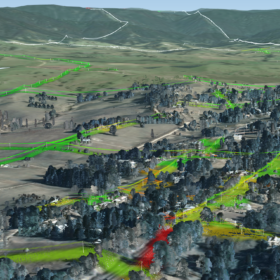
Sydney tech company signs digital twin modelling deal with USA utility
Sydney-headquartered climate-tech platform Neara has signed a deal with United States energy provider CenterPoint Energy, to use artificial intelligence and machine learning modelling capabilities, to improve the utilty’s extreme weather infrastructure resilience.
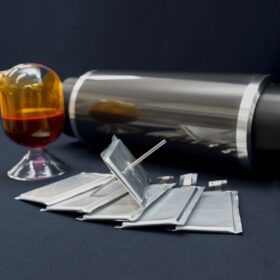
LG Chem develops material capable of suppressing thermal runaway in batteries
LG Chem has announced that its Platform Technology research and development team has developed a temperature-responsive material that is described as capable of suppressing thermal runaway.
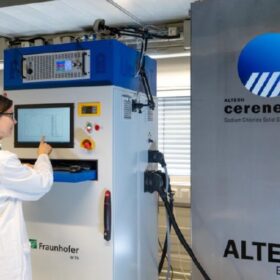
Altech puts sodium chloride battery prototype to test
Western Australian battery technology company Altech Batteries has announced its first Cerenergy ABS60 salt-based battery energy storage system prototype is online and operating successfully across a range of temperatures, confirming its thermal stability and commercial viability.
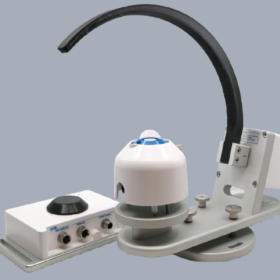
EKO unveils new solar monitoring solution
The latest irradiance sensor solution from Japan-based EKO Instruments provides continuous measurements in the field. Well-suited for bifacial PV systems, it supports the measurement of global horizontal irradiance, diffuse horizontal irradiance and direct normal irradiance, even in reflective and cloudy conditions.
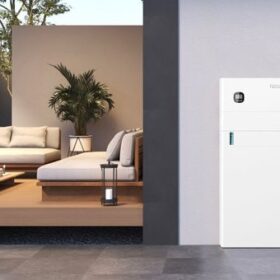
Hinen unveils all-in-one home energy storage solution
Chinese manufacturer Hinen has launched an integrated battery energy storage system with power options ranging from 3.6 kW to 25 kW for on- and off-grid residential applications.
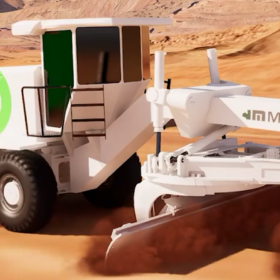
Electric mine-site graders to be powered by Fortescue Zero battery system
Canadian-headquartered underground heavy vehicle manufacturer MacLean, will deliver 30 electric powered graders to Australian resources giant Fortescue’s Western Australian mining operations toward a shared goal of Real Zero emissions by 2040.
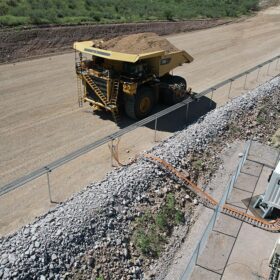
Heavy vehicle energy transfer system to trial at BHP Australian mine sites
Australian mining giant BHP will begin trials at their mine sites of a dynamic energy transfer system on battery electric and diesel electric mining trucks, which can also charge an electric haul truck’s batteries while the machine is on the move.
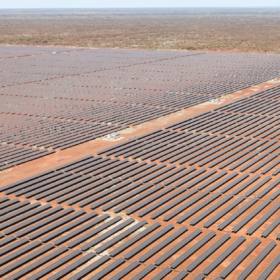
Fortescue targets 2-3 GW of renewables to achieve its Real Zero by 2030 goals
Fortescue’s climate transition plan outlines comprehensive details of how the mining giant is, and will 100% eliminate fossil fuels from their Australian iron ore operations by 2030 using a number of measures, including solar energy. The plan states Fortescue’s belief is that all business should follow their example in committing to a date when they […]