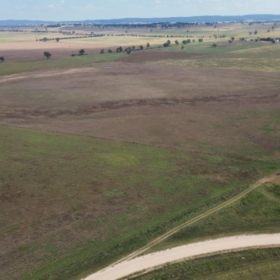
Flow Power adds solar and battery project to development pipeline
Victoria-headquartered renewables developer and electricity retailer Flow Power has added another solar and battery project to its portfolio with the acquisition of the Dunedoo Energy Project planned for central west New South Wales.
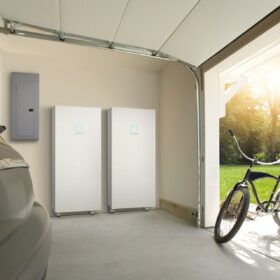
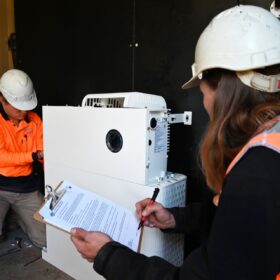
Regulator ramps up inspections as solar battery installations surge
Solar battery installers have been warned to “do it once and do it well” as the number of batteries installed across Australia under the federal government’s Cheaper Home Batteries Program surges past the 250,000 milestone, delivering a combined 6.3 GWh of capacity.
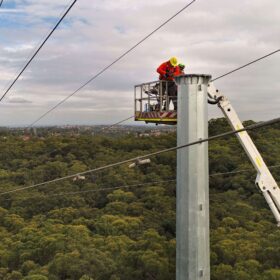
Construction begins on Hunter REZ transmission project
Construction has officially commenced on a network upgrade in the New South Wales Upper Hunter that is to boost transfer capacity in the region by at least 1 GW by 2028 in support of the state’s renewable energy transition.
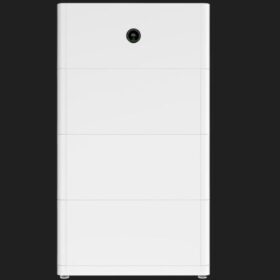
Growatt debuts high-voltage battery for residential, small C&I solar
The APX HV Battery 2.0 supports 5–30 kWh capacities and up to 15 kW of output. The IP66-rated system features a stacked, cable-free design.
CER projects up to 12 GWh capacity from 520,000 home batteries in 2026
In 2026, the Clean Energy Regulator forecasts that up to 12 GWh of storage from a potential 520,000 residential battery installations will occur, and rooftop solar will rebound from 2.8 GW in 2025 to between 3-3.7 GW.
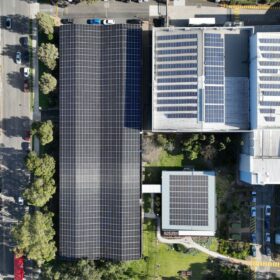
Software cuts C&I scale rooftop solar MV connection quotes to 15-minutes
An automated tool enables commercial and industrial scale rooftop solar owners to determine if their medium voltage connection requests can be approved online by their distributed network service providers in 15 minutes.

Yindjibarndi launches EOI for Pilbara clean energy offtake
The Yindjibarndi Energy Corporation has opened an expression of interest process for commercial and industrial customers seeking renewable energy offtake from its expanding portfolio of large-scale clean energy projects.
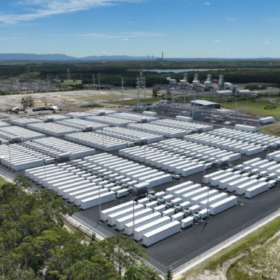
Waratah Super Battery transformer swap gets green light
The Australian manufacturer of a high voltage transformer deployed at the Waratah Super battery, which failed in 2025, has started production of its replacement with delivery scheduled for Q3 2026.

Malaysia restricts non-AI data centres, citing energy concerns
Malaysia’s prime minister Anwar Ibrahim said future policy will ensure domestic consumers and the electricity grid are protected amid the country’s data centre expansion. This could include leveraging the ASEAN Power Grid project to cover any supply shortfalls.
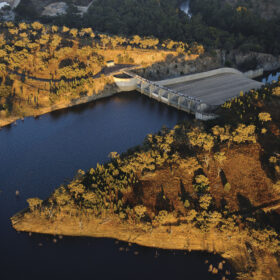
NSW backs pumped hydro to deliver long-duration storage
Pumped hydro continues to push for a place in Australia’s energy transition with the New South Wales government recently declaring two multi-billion-dollar projects Critical State Significant Infrastructure.