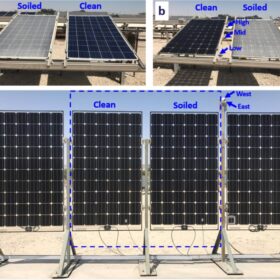
East-west vertical PV as antidote for soiling in desert regions
New research shows that east-west-oriented vertical PV installations can significantly help reduce soiling in desert environments. The scientists found that PV power generation can be up to 9% higher in vertical systems compared to conventional arrays.
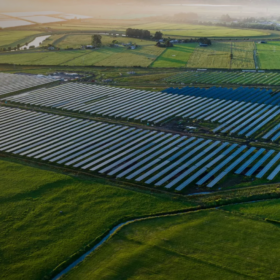
Kiwi developer adds 84 GWh per year to portfolio with double solar farm buyout
New Zealand-headquartered solar farm developer Lodestone Energy has bagged two large-scale solar sites on the country’s north island, in an ongoing expansion of the company’s multiple energy project portfolio.
Horizon Power signs first Indigenous land use agreement for future energy project
Western Australia energy provider Horizon Power has signed its first Indigenous Land Use Agreement with the Nyul Nyul people of Beagle Bay in the Kimberley, for the development of a future energy system.
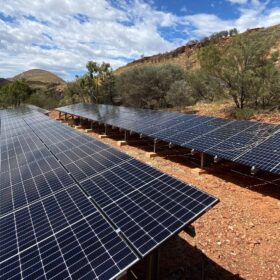
Top End microgrid developer eyes large-scale plans with Indian steelmaker
Western Australian renewables developer Generators and Off Grid Energy has landed a deal with an Indian steel company to jointly develop large-scale solar and battery energy storage systems in northern Australia.
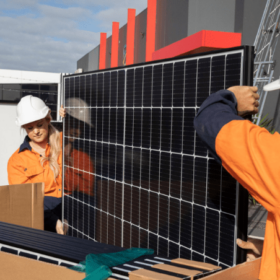
Victoria’s future energy plan includes 7.6 GW additional solar by 2035
In the next decade, the Victorian government’s four pillar energy plan will seek to add a minimum of 6.3 GW of rooftop solar, 1.2 GW of large distributed solar up to 30 MW, and 3 GW of utility solar.
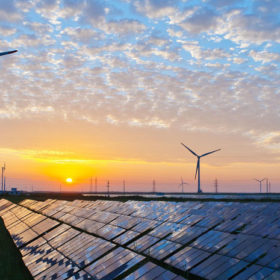
Queensland technology trial to model live renewable energy ecosystems
Brisbane-based renewables solutions company Sunshine Hydro has joined forces with the Central Queensland University to develop and trial technology that orchestrates long-duration storage and renewable energy ecosystems with implication for sustainable fuel production.

Miner’s path to ‘green’ gold production energised by completed 26 MW solar farm
Independent Australian power producer Zenith Energy has completed the final stage of a 26 MW solar farm component of an 88 MW hybrid power station under construction at the remote Western Australia Bellevue Gold mine site.
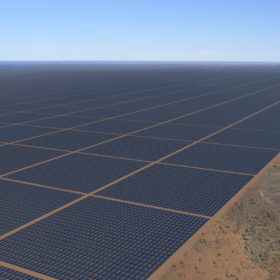
SunCable gets environmental approval for AAPowerLink project
SunCable’s flagship Australia-Asia Power Link renewables and storage project in the Northern Territory has passed another major regulatory milestone, securing the green light from the federal government.

Ventia lands contract for military facility solar farm
Infrastructure services provider Ventia has been tapped by Australia’s Department of Defence to build, operate and maintain a 4 MW solar farm at its Mulwala facility in southwest New South Wales.
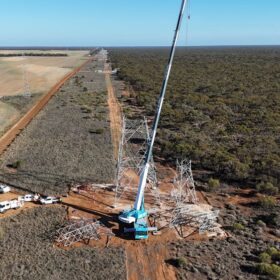
Transgrid raises remote REZs as part of energy transition vision
New South Wales power grid owner Transgrid has pinpointed a trio of sites in the state’s far west that could host remote renewable energy zones that it said could help address the challenges posed by an energy transition that it is in “vertical take-off.”