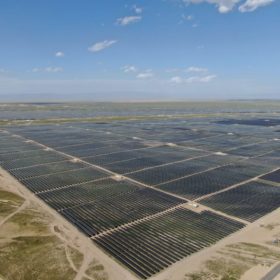
High-wattage solar modules increase risk of thermal runaway
Longi Solar outlines its high-temperature mitigation logic in designing the lower current, high-wattage Hi-MO5 solar panel series.
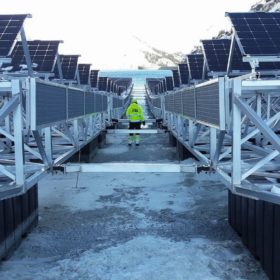
Weekend read: keeping FPV afloat
In many parts of the world, project developers and owners are increasingly looking to floating PV as the next long-term growth market in utility-scale solar. Gian Schelling, global business development manager for Hitachi Energy, says that PV-on-water can rise above the current challenges it faces by drawing on the lessons learned from offshore wind development.
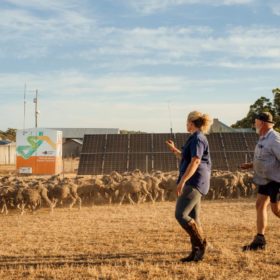
Western Power reaches milestone in off-grid program
Western Australia’s regional utility Western Power has confirmed plans to install another 4,000 standalone power systems across the state in the next 10 years after reaching a milestone in the rollout of the renewable energy units.
Bowen stresses importance of transition to renewables as energy crisis continues
The Federal Energy Minister insists the Australian Energy Market Operator’s market intervention demonstrates that it is “more important than ever to manage the transition and get more energy into the system and more storage and transmission”.
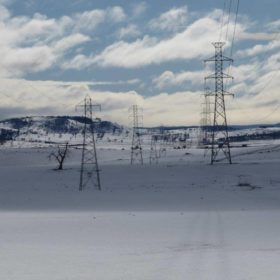
Tasmania seeks investor interest to help shape state’s first REZ
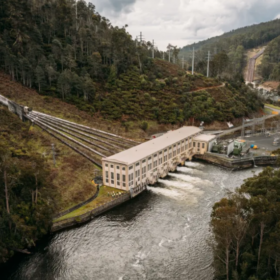
The Tasmanian government is calling for registrations of interest from developers of new large-scale renewable generators and energy storage projects, and existing and proposed energy intensive load projects to participate in shaping the state’s first renewable energy zone.
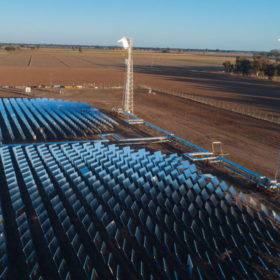
Vast Solar teams with 14D on Aurora solar plus storage project
Australian solar thermal specialist Vast Solar has partnered with storage development company 1414 Degrees to revive the long-awaited Aurora Solar Energy Project – which is to comprise a combination of solar thermal, PV, and battery energy storage technologies – at Port Augusta in South Australia.
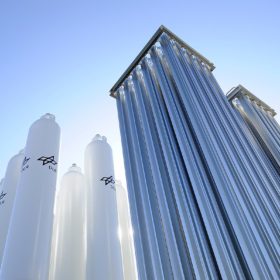
WA company expects green hydrogen production ‘significantly earlier’ than anticipated following promising study
Western Australian developer Frontier Energy, a relatively new player in the renewable space, says preliminary findings from its green hydrogen study indicate it could be producing “significantly earlier than originally anticipated” from its Bristol Springs Solar Project, to be located south of Perth.
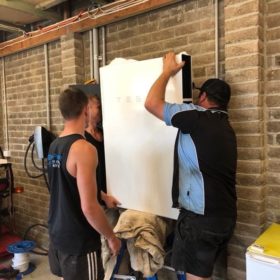
NSW installer’s solar inquiries surge as one in two ask after batteries
Sydney-based solar company Solaray Energy says its inquiries have doubled since the federal election, rebounding back to the record demand seen in 2020 ad 2021. Moreover, the company’s director and co-founder Jonathan Fisk says interest in batteries is “making solar fly,” with half of the potential new customers looking to add storage.
Oil supermajor takes majority stake in WA hydrogen megaproject
Oil and gas giant BP will take a 40.5% stake in the 26 GW Asian Renewable Energy Hub megaproject proposed for Western Australia’s north coast.

South Korea kicks off 2 GW PV tender
Selected projects will be awarded a fixed rate under a 20-year contract under the country’s renewable energy certificate (REC) scheme and will sell electricity to local power distributors.