pv magazine Awards 2025 offer global nod for Australian energy companies
The pv magazine global awards program recognising excellence across the solar and storage industries is open for entries, with the opportunity for Australian businesses and individuals to win global recognition across seven categories adjudicated by a worldwide panel of independent industry experts.
GRS wins contract to build 171 MW solar farm in Victoria
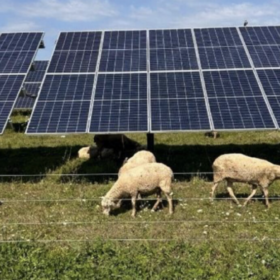
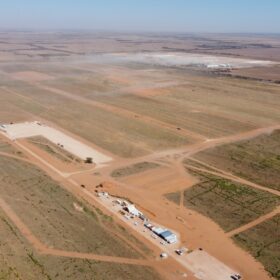
Spanish group Gransolar says its construction subsidiary GRS has landed the contract to build the 171 MW Carwarp Solar Farm in Victoria, its 14th large-scale project in the Australian market.
Fiji resorts to rooftop solar installations in race to reach renewable generation goals
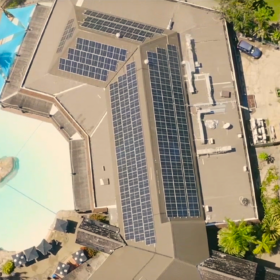
Fijian energy company Vision Energy Solutions has completed a 133 kW rooftop solar installation on one of the tropical island country’s premium holiday destinations, as the nation strives for it’s 90% renewable generation by 2025 goal.
Sumitomo Electric launches vanadium redox flow battery with 30-year lifespan
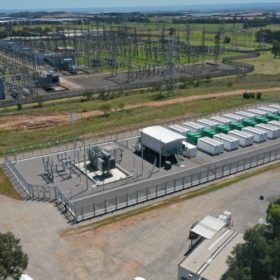
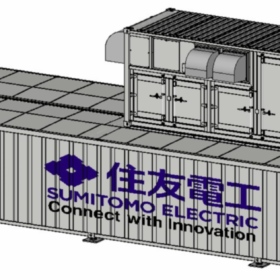
Sumitomo Electric’s new system comes in three versions, providing up to 10 hours of storage. It achieves improvements in output and energy density, through component enhancements, thereby reducing cost and physical footprint.
Fronius introduces 15.8 kWh lithium iron phosphate battery for rooftop PV
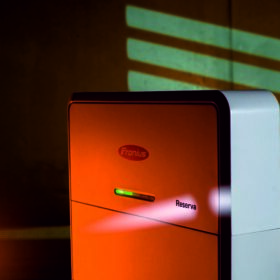
The Austrian manufacturer has launched its first battery system using lithium iron phosphate (LFP) cells. A total of up to four units can be connected in parallel for a capacity of 63 kWh.
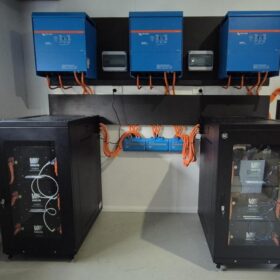
Off-grid lessons help drive new Vaulta battery tech
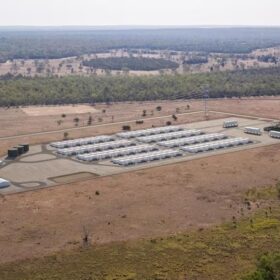
Battery manufacturer Vaulta is using lessons learned from Australia’s growing off-grid energy sector to spearhead the development of its next-generation battery energy storage technology.
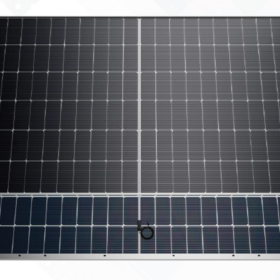
Jolywood releases 595 W bifacial TOPCon solar panel for harsh environments
The Chinese manufacturer said that its new glass-backsheet Windproof module utilises a zinc-aluminum-magnesium surface alloy technology and a high-strength steel substrate. It features a power conversion efficiency of up to 23.03%.

PV manufacturers making move to coated backsheets
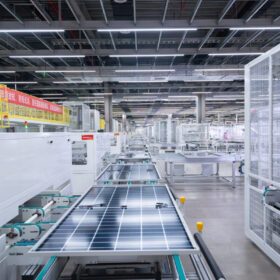
Hard-pressed Asian solar manufacturers have switched from multi-layer polymer backsheets to a single layer of polyethylene terephthalate (PET), with a protective coating on both sides of their modules. Backsheet makers confirm these products, known as “CPC,” are now mainstream. There is little evidence to demonstrate that they can withstand 30 years-plus of outdoor use, however.

‘Solar module prices will soon go back to over $0.12/W’
The global solar module industry is expected to regain a sustainable balance in the next six months, Yana Hryshko, head of Solar Supply Chain Research for Wood Mackenzie, told pv magazine. She explains why solar module prices may increase soon, suggesting that Tier 1 modules prices could reach USD 0.14/W to USD 0.15/W ($0.22/W to $0.24/W) by the end of this year, and discusses how consolidation is materialising within the global PV industry.
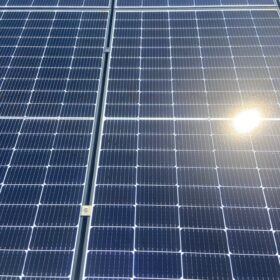
Solar installers’ preferred panels, inverters revealed
A new survey shows the majority of Australian solar installers are unconcerned what brand solar panels and battery energy storage systems they work with, but they have a clear preference when it comes to inverters.