Markets & Policy

Australia’s solar industry is deeply influenced by federal and state-level energy policies, regulatory frameworks, and evolving market mechanisms. This category offers comprehensive analysis of renewable energy targets, policy reforms, electricity pricing, and incentive programs like the Small-scale Renewable Energy Scheme (SRES) and Large-scale Renewable Energy Target (LRET). We also explore political debates, regulatory shifts, and the financial and strategic moves of key market players shaping the future of solar in Australia—from utility-scale developers to community-driven solar initiatives.
Advertisement
Advertisement
Advertisement
Latest News
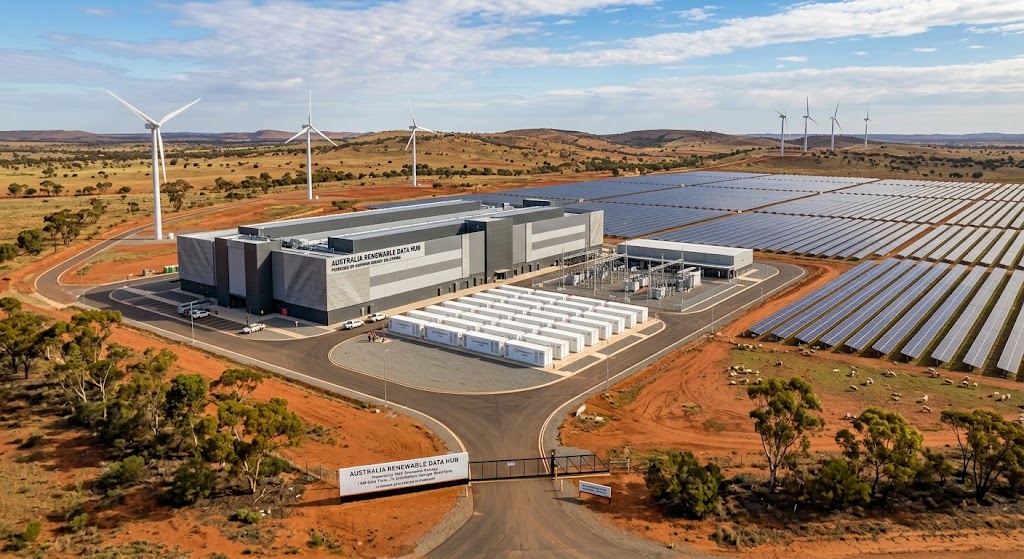
The shape of PPAs is changing – from volume to value. Are you positioned to capture the premium in emerging NEM value pools?
Australia’s renewable energy market is entering a new phase where the value of electricity is increasingly determined not by energy alone, but by the ability to deliver energy when and where it is needed.
Oct 08, 2026
Advertisement

Australia backs goal of 150 million new rooftop solar systems globally by 2030
Australia has endorsed a global plan to double the number of homes in the world with rooftop solar, from 150 to 300 million by 2030 via the Global Rooftop Solar Declaration announced at the 2026 Pacific Pre-COP meeting in Fiji.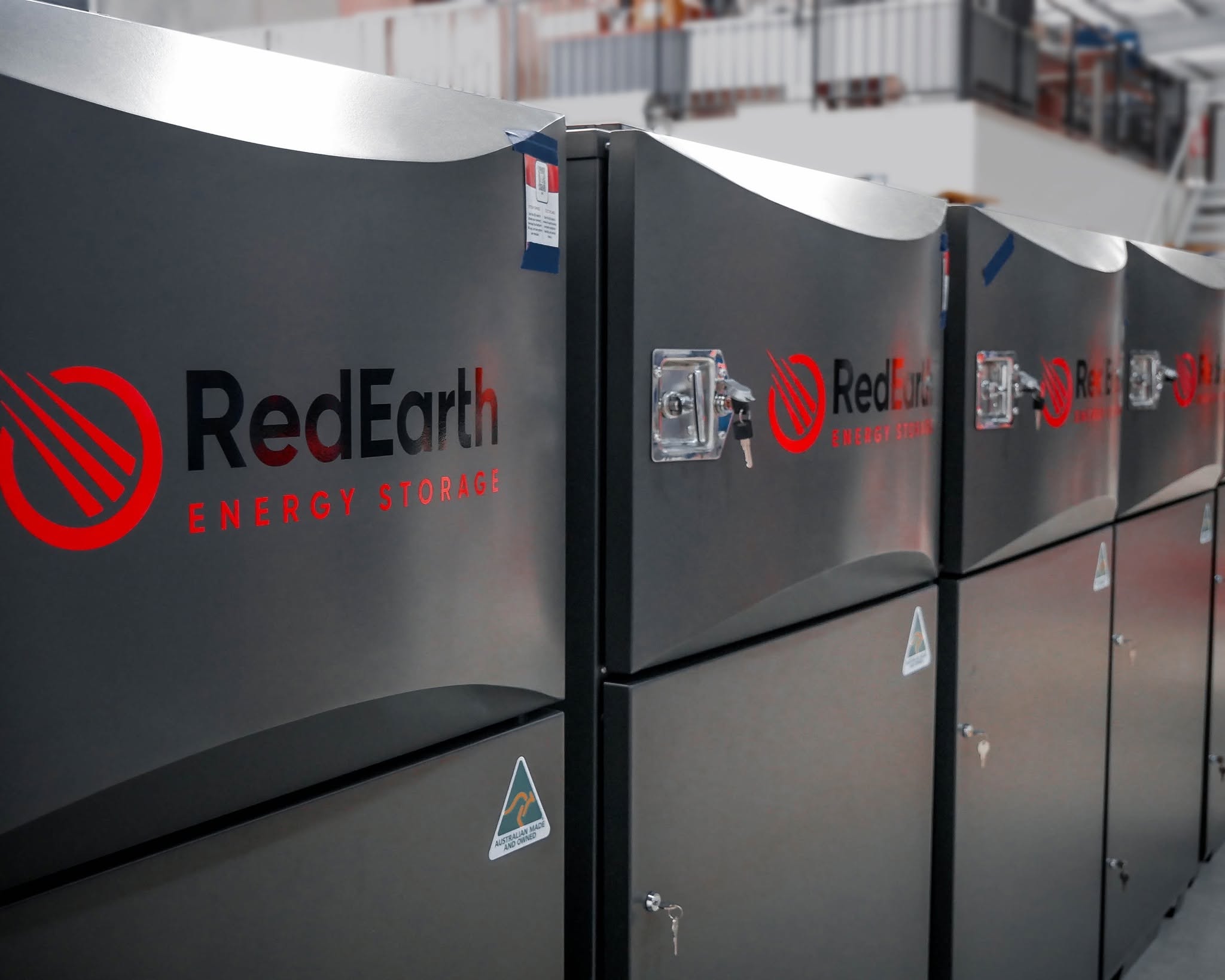
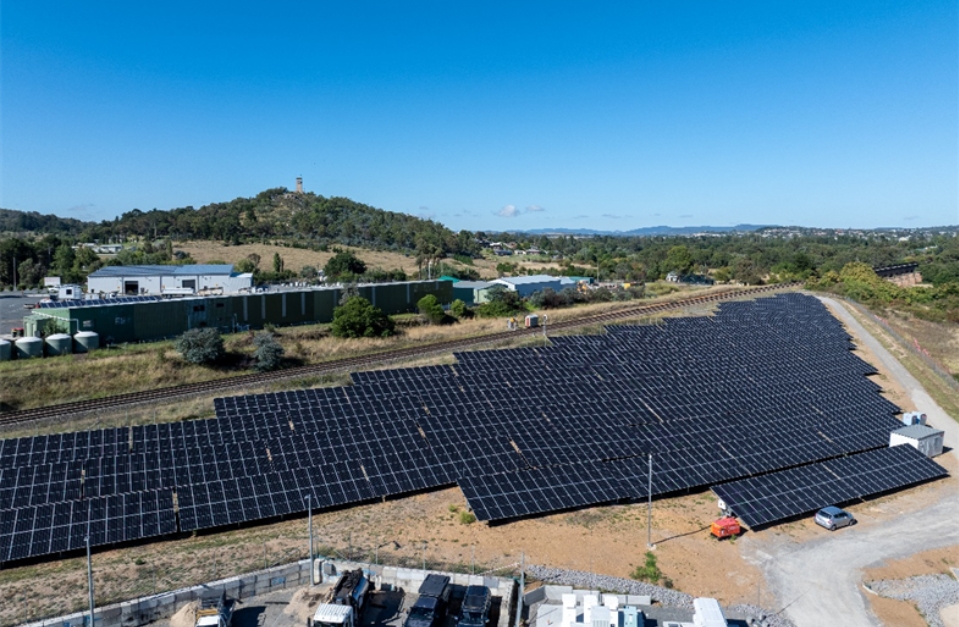
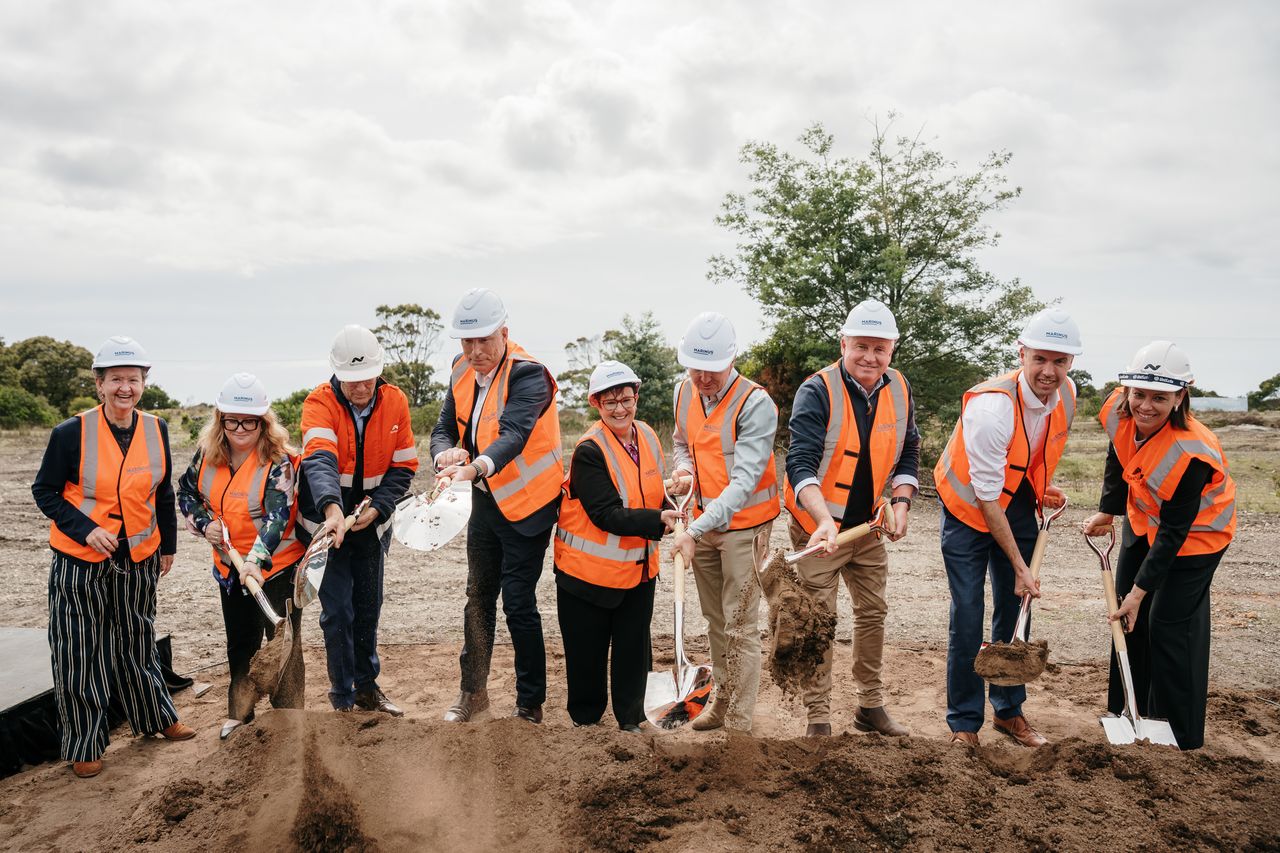

Shared grid connections concentrate battery insurance risk
Specialist insurance and risk management solutions provider Tokio Marine GX sees exposures of up to billions of dollars building up at co-located battery energy storage system sites, and says lenders are only beginning to require cyber cover.
Advertisement
All Markets & Policy news

Renewables reach new highs in NEM as fossil fuels slump to historic lows
Renewable energy production reached record highs in Australia in 2021 with new data from the Climate Council revealing clean technologies including rooftop solar and utility scale PV supplied five times more power into the nation’s largest electricity grid than gas.
Feb 13, 2022

Weekend read: Expansions in n-type
The past 12 months have been a turbulent time for PV manufacturing. Rapid and impressive developments in technology have been accompanied by price increases up and down the supply chain, and energy shortages weighed on production in the second half of the year. Chinese n-type module manufacturer Jolywood is now pressing ahead with ambitious expansion plans despite the disruption. pv magazine publisher Eckhart K. Gouras and editor Mark Hutchins recently caught up with Cathy Huang, European sales director at Jolywood, to discuss the company’s plans to bring n-type TOPCon technology into mainstream production.

Councils unite to secure renewable energy purchase agreement
A group of New South Wales local councils have banded together to secure a power procurement agreement with solar-focused electricity retailer Mojo Power that they say will allow them to satisfy the electricity demands of their major infrastructure with 100% renewable energy while providing a path for participants to reduce their overall emissions.
Feb 11, 2022
Advertisement

Zinc batteries: Old technology brings new values
In battery storage, there is no silver bullet chemistry type and as we move towards more ambitious decarbonization goals, room is being made for diverse systems. As an old technology with new vitality, zinc-based batteries are edging closer to commercialization, leveraging their unique ability to be configured for short and long duration operation. They are safer, longer lasting and, in some cases, reportedly up to 50% cheaper than lithium-ion batteries and, following recent game-changing advances, the prospects for zinc look much more exciting. pv magazine sat down with the manager of the newly established, global Zinc Battery Initiative, Josef Daniel-Ivad, to discuss the technology’s market position and developments.
Feb 10, 2022

AGL accelerates closure of coal-fired power plants
Australian energy major AGL has fast-tracked the closures of its two biggest coal-fired power plants by several years as it pushes ahead with plans to demerge in response to the ongoing market shift towards renewable sources of electricity.
Feb 10, 2022

Fraunhofer ISE reaches legal settlements with seven inverter manufacturers who infringed its patent
In 2002, the Fraunhofer ISE patented the HERIC circuit for highly efficient inverters. Since then, the institute says, it has recorded out-of-court settlements in seven patent infringement lawsuits against companies from China, Taiwan and Germany.
Advertisement



Australian fintech companies team up to develop ‘future’ energy retail platform
The company behind bill management platform 1bill on Monday announced it will invest more than $2 million in the energy software company Accurassi. The investment will see Accurassi build a platform for energy retailers to accelerate the transition to green energy.
Advertisement