Longi launches residential HJT back-contact solar module with 25% efficiency
Longi has developed the Hi-MO S10, a residential heterojunction (HJT) back-contact solar module with 25% efficiency, combining 27.6%-efficient cells with up to 510 W output and 252.3 W/m² power density.
7.15 GW of renewables and energy storage awarded rights to connect to NSW REZ
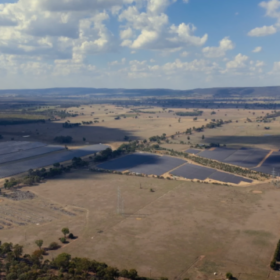
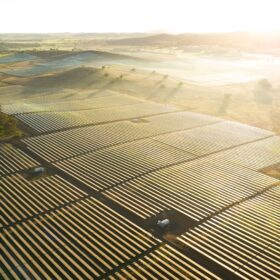
Ten large-scale solar, wind, and battery projects have been given the green light to connect to the electricity grid in the Central West Orana Renewable Energy Zone as the New South Wales government continues to progress the REZ to reality.
Australian wave energy developer strikes Alaskan deal
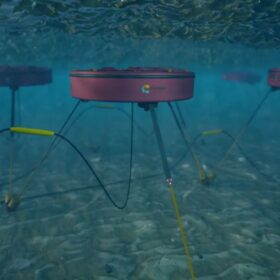
Western Australia-based Carnegie Clean Energy has inked an agreement that will see it explore the development of its wave power generation technology in waters off the coast of southcentral Alaska.
AGL reaches battery milestone at retired coal site
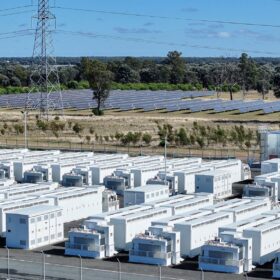
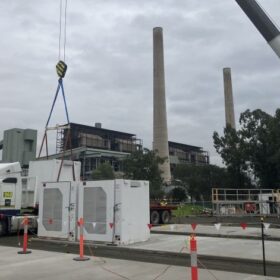
AGL’s 500 MW / 1,000 MWh Liddell battery energy storage system is taking shape with the recent installation of the first of more than of 1,500 battery units planned for the project site in the New South Wales Hunter Valley.

Incat launches world’s largest electric ship
Tasmanian shipbuilder Incat has marked a significant milestone in global shipbuilding with the launch of the world’s largest 100% electric ship.
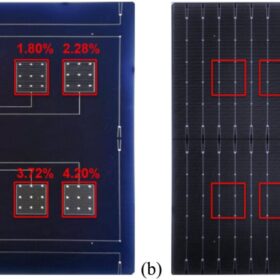
Jolywood’s laser-assisted firing process increases TOPCon solar cell efficiency by 0.6%, says UNSW research
New research from the University of New South Wales have found that the Special Injected Metallisation (JSIM) technique developed by Chinese manufacturer Jolywood can considerably increase TOPCon solar cell efficiency. The scientists described precisely how laser-assisted firing enhances cell performance, reportedly filling critical gaps in industrial TOPCon cell optimisation.
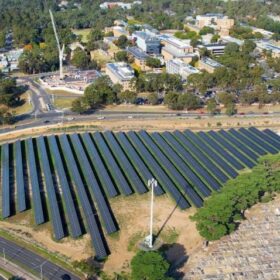
Victorian urban solar farm to supply 98% of university’s energy demand
Victoria’s largest urban solar farm has been officially switched on at La Trobe University’s Melbourne campus, marking a major milestone in the university’s ambition to achieve carbon neutrality by 2029.
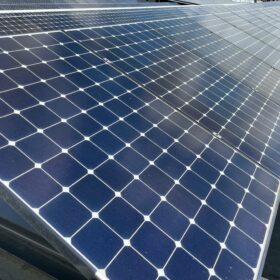
University researchers develop passive solar module cooling method
Researchers in Iran developed a passive solar module cooling method using silicon carbide porous ceramic. When combined with phase change materials, the technique reportedly boosts panel performance by up to 7.4%.
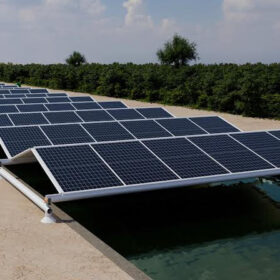
Green Energy Systems Solar Waves to be included in California solar canal pilot
Sydney-based Green Energy Systems and its innovative Solar Waves system are to be included for trial as part of Project Nexus, California’s first solar canal pilot project, currently underway in California’s Central Valley.
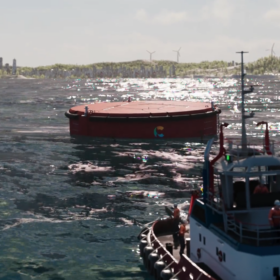
Carnegie lands $2.1 million to progress wave power generation project in Spain
Wave energy developer Carnegie Clean Energy reports its subsidiary has received $2 million (USD 1.2 million) from the Spanish government to progress the development of its wave power technology, called CETO.