Microgrid developer granted $3 million to build clean energy ‘island’ blueprint
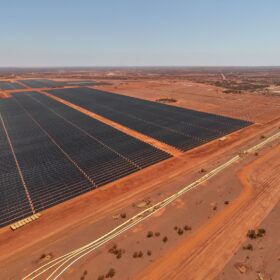
The first project funded under Stream A of ARENA’s regional microgrid program has been awarded $3 million toward an overall $15 million cost to build a 7 MWp solar and 5 MW / 10 MWh battery storage system to island a New South Wales’ community’s energy security in the event of transmission failure.
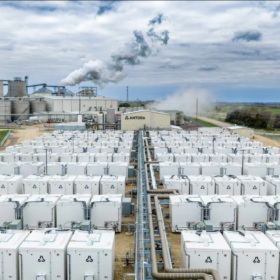
Grok Ventures backs 5 GWh thermal energy storage project in US
Grok Ventures has provided project-level financing as the sole external investor on a US-based 5 GWh thermal energy storage system providing 50 MW of round-the-clock energy through an offtake agreement with biofuels giant, POET.
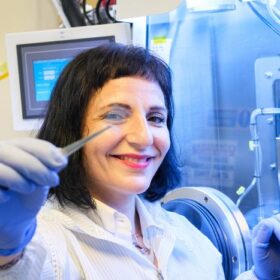
Researchers develop perovskite solar cells about 50 times thinner than conventional devices
Researchers at NTU Singapore have developed ultra-thin perovskite solar cells about 50 times thinner than conventional designs using a vacuum-based thermal evaporation process.

Diagno secures Formbay backing for solar and battery diagnostics platform
Sydney-based startup Diagno has secured the support of Formbay to help scale up the rollout of its cloud-based platform used to monitor, diagnose, and optimise solar and battery energy storage systems.
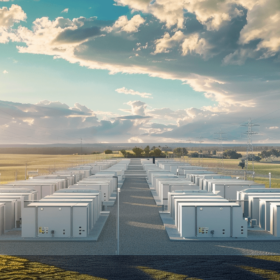
Enervest snaps up 300 MW battery as part of strategy shift
Australian energy developer Enervest has added a 300 MW battery project in northern New South Wales to its portfolio in a move that signals a strategy shift for the company.
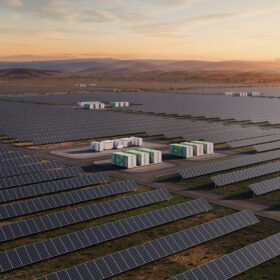
Edify reaches financial close on twin solar and battery projects
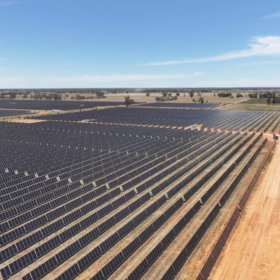
Edify Energy says it has reached financial close on its neighbouring Smoky Creek and Guthrie’s Gap projects in Queensland, the largest solar and battery hybrid projects under construction in Australia.

Very low cost rooftop solar and batteries slashes domestic energy cost
Rooftop solar in Australia provides the cheapest, cleanest and most reliable domestic energy in history.
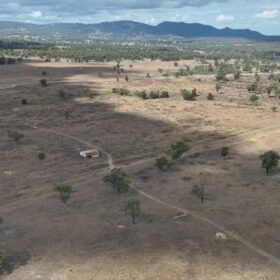
OX2 starts building solar and battery project next to old coal mine
Swedish renewables developer OX2 has begun building a 135 MW solar farm and a 100 MW battery energy storage system at the site of an old coal mine in the New South Wales Hunter Valley.
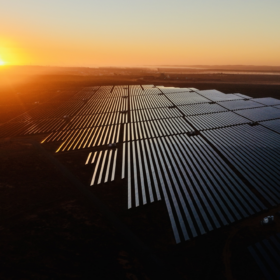
NSW opens tenders for 2.5 GW of solar and wind alongside 12.5 GWh of storage
New South Wales is rolling out two of the biggest renewable energy tenders in the state’s history, seeking 2.5 GW of new generation capacity in addition to 12.5 GWh of long-duration energy storage.
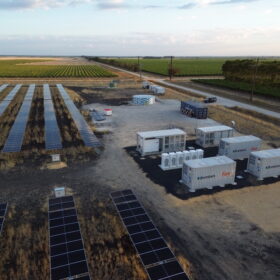
Flow Power adds three solar and battery projects to portfolio
Renewables developer and electricity retailer Flow Power has added almost 20 MW of new solar and 45 MWh of battery energy storage to its operational portfolio with the commissioning of three projects in South Australia.