Boulevard of broken plants: Can NSW reserves handle non-green days?
It’s been easy to get caught up in all the news from the Victoria and Queensland governments proposing record-setting funding and environmental targets by 2030 and 2035, along with the news of AGL bringing forward the closure of Loy Yang A.
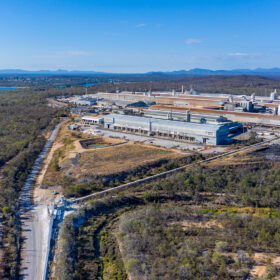
Fortescue lands grant for massive hydrogen electrolyser in Queensland
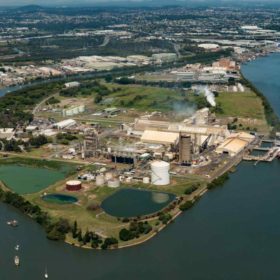
Plans to build one of the world’s largest renewable energy powered electrolysers in Queensland continue to gather pace with the Australian Renewable Energy Agency awarding $13.7 million (USD 8.8 million) to the proponents of the project to help finance a $38 million front-end engineering and design study.
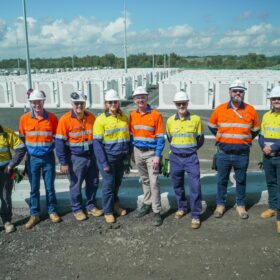
Victoria green lights six solar farms and four big batteries
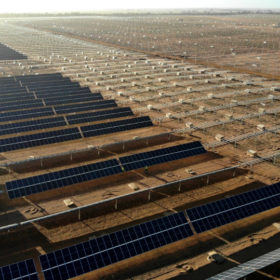
Six new solar farm projects totalling 623 MW of renewable capacity and four big batteries delivering up to 365 MW and 600 MWh of new energy storage have been given the tick of approval by the Victorian government as it looks to meet its target of powering all its operations with clean energy by 2025.
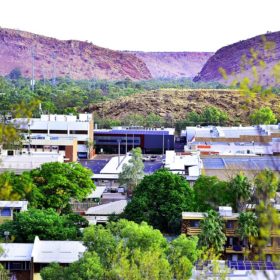
Northern Territory flicks switch on Alice Springs VPP
Smart technology that controls energy flow on power grids could soon be the norm in the Northern Territory with a trial launched in the outback town of Alice Springs that will test the economic and energy efficiency of a rooftop solar-driven virtual power plant.
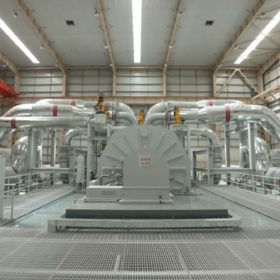
World’s largest compressed air energy storage project goes online in China
The Chinese Academy of Sciences has switched on a 100 MW compressed air energy storage system in China’s Hebei province. The facility can store more than 132 million kWh of electricity per year.
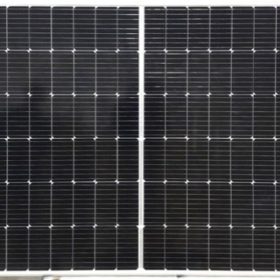
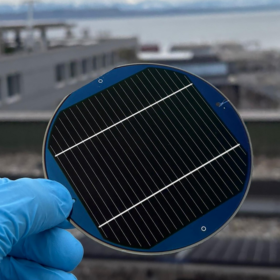
NeoSol unveils 550 W mono PERC solar modules
Indian solar manufacturer NeoSol has unveiled its Black Pearls series of mono PERC modules. The power outputs range from 535 W to 550 W, with power conversion efficiency ratings between 20.7% and 21.33%.
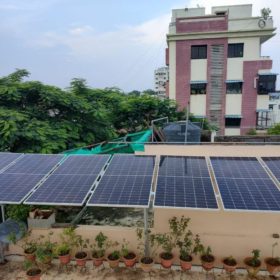
Residential rooftop solar capacity in India tipped to rise by 60% this fiscal year
India’s cumulative residential rooftop solar capacity may rise by 60% to reach 3.2 GW by March 31, 2023 driven by rising consumer demand coupled with strong government support.
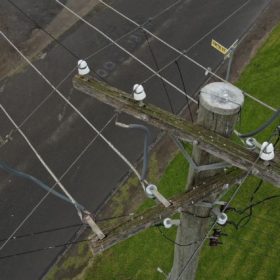
IEEFA calls for inquiry after network providers pocket ‘supernormal’ profits
The Institute for Energy Economics and Financial Analysis is calling for an independent inquiry into Australia’s electricity networks and their regulators claiming Australians have been overcharged $10 billion (USD 6.5 billion) in the past eight years by distribution and transmission network service businesses making “supernormal” profits from consumers forced to use their poles and wires.
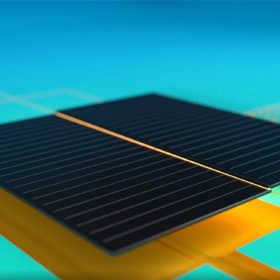
REC plans Australian launch of latest module at All-Energy expo
Solar PV module manufacturer REC Group’s “most innovative panel to date” will make its Australian debut at the All-Energy Australia exhibition and conference in Melbourne later this month.
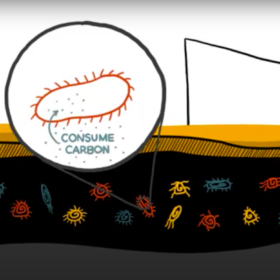
FFI & Deutsche Bahn to modify diesel engines for hydrogen locomotives, biotech startup targets hydrogen production from $1.5/kg
Cemvita claims it can produce hydrogen at the “lowest possible cost,” Deutsche Bahn and Fortescue Future Industries have announced plans to jointly modify diesel engines for locomotives, and the Canadian province of Alberta has started promoting its hydrogen potential in Japan.