PV cell technology trends
Ongoing innovation in PV cell technology will have major impacts as solar is deployed at a “multi-terawatt scale” over the next two decades, according to a global team of scientists.
Driving down cost of solar key to unlocking green hydrogen future
Reducing the cost of solar electricity will be the key to unlocking the next chapter of the energy transition: a green hydrogen economy, according to Jim Tyler, CEO of solar technology company Erthos.
Meyer Burger shifting focus to US market
Switzerland-based manufacturer Meyer Burger is now prioritising the establishment of new module and cell production facilities in the United States, driven by favourable market conditions in the country.
Over 155 GW of U.S. solar manufacturing announced in one year
The United States has begun to reshore its energy supply chain one year after the passage of the Inflation Reduction Act.
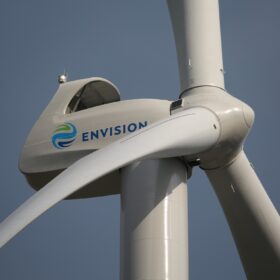
Brookfield teams with Envision on Australian renewable energy push
Brookfield Asset Management has inked a deal with Chinese multinational Envision Group to explore opportunities for manufacturing of clean energy equipment in Australia to support its plan to develop up to 14 GW of renewable generation and storage facilities in the country within the next decade.
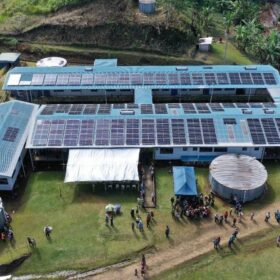
US agency says microgrid could provide model for PNG
The United States government, through the U.S. Agency for International Development, has committed $1.86 million (USD 1.2 million) to support the development of a solar-powered microgrid in Papua New Guinea’s Central province.

Rio plans large-scale solar for Canadian arctic
Australian-headquartered resources giant Rio Tinto has announced it will build the largest solar power plant in Canada’s northwest territories to supply electricity to its Diavik Diamond Mine located about 200 kilometres below the Arctic Circle.

Maxeon to build 3 GW cell and module plant in US
Singapore-headquartered solar manufacturer Maxeon Solar Technologies will invest more than $1.5 billion (USD 1 billion) to establish a TOPCon manufacturing facility in the United States, creating up to 1,800 highly skilled jobs.

H2X to accelerate growth after landing US funding deal
Australian hydrogen technology startup H2X Global will accelerate the rollout of its hydrogen-powered vehicle range in both domestic and international markets after securing an $87 billion (USD 57 million) investment agreement with United States-based Verde Mobility.
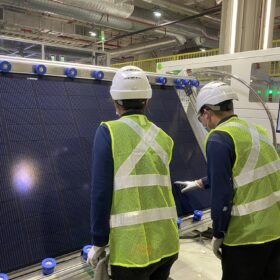
International energy giants look to kickstart new era in Australian manufacturing
Brookfield’s bold ambitions for Australia have reached a new level with the global asset manager inking an agreement with India-headquartered multinational Reliance Industries to explore the production of solar panels, long-duration battery storage, and other renewable energy equipment in Australia.