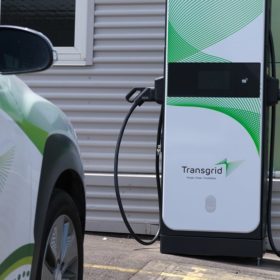
Fast-charger to help drive Transgrid’s net-zero ambitions
As part of net-zero targets, New South Wales transmission network owner Transgrid plans to eliminate 100% of emissions from its passenger and commercial fleets by 2030 and to accelerate that strategy will trial a next-generation electric vehicle charger developed by Spanish firm Wallbox Chargers.
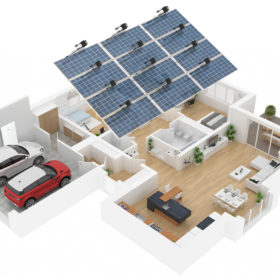
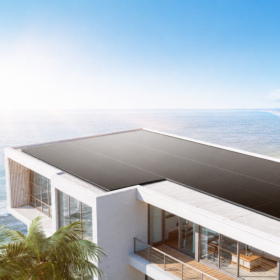
Energy optimiser SolarEdge expands into full home solution
Customers’ desire for fast, simple access to rooftop solar has driven the industry towards one-stop solutions, with all system components under the same brand and warranty arrangements, and integrated under a proprietary intelligent digital control system. pv magazine Australia spoke with Gavin Merchant, country manager for Australia and New Zealand, about the new SolarEdge Home equation and the economic drivers of full rooftop package adoption.
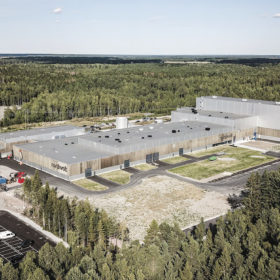
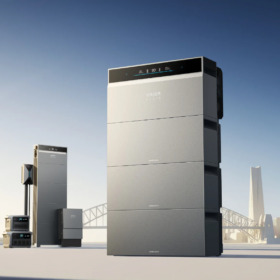
Weekend read: Five strategies for battery procurement
The worst effects of the pandemic may have passed, but supply chain disruptions continue to be felt across the world. The effects of the war in Ukraine are also evident to all of us in our daily lives, from commodities to energy, food supply chains and beyond. The disruption in the battery energy storage system (BESS) supply chain is no different, writes Cormac O’Laoire, senior manager of market intelligence at Clean Energy Associates. Indeed, as the cost of raw materials such as lithium climb, battery prices are being driven materially higher, on some accounts by 20% to 30%, rendering some projects uneconomical.

Melbourne startup converting classic cars into EVs scales bolt-in manufacturing with UK merger
Bolt-in electric vehicle kits in Australia have just got a leg up, with Melbourne startup Jaunt Motors joining forces with UK company Zero EV to operate a new, larger scale business to have production facilities and operations across Australia, the UK and, “very soon,” the US.

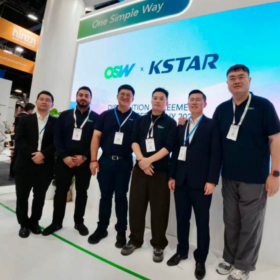
Rise of the ‘full stack’ strategy
“Integration” was the war cry at this year’s All Energy conference in Melbourne, with an unmistakable push, especially among ‘premium’ brands, toward vertically stacked product suites bundling solar, batteries, energy management platforms, virtual power plants and electric vehicle chargers into one super solution. How big is the market for such a proposition in Australia though? And does streamlining stymie flexibility? pv magazine Australia spoke to a number of brands on the promise, and limits, of the full stack strategy.

Australian company’s novel green lithium concept yields battery-grade product in Germany
ASX-listed Vulcan Energy, a company working on a project in Germany that it says will deliver ‘zero carbon’ lithium by combining geothermal plants with lithium electrolysis, today announced its pilot produced high grade lithium hydroxide which ‘easily exceeds’ battery grade specification.
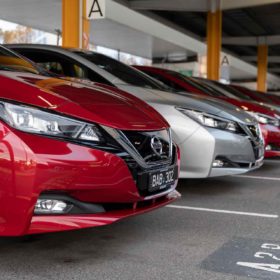
Australian EV market share grows 65% in 2022
The demand for electric vehicles in Australia increased by 65% in 2022, reaching 3.39% market share of total new car sales, according to the Electric Vehicle Council’s latest report. Tesla continues to be the dominant brand, with New South Wales and Australia Capital Territory governments topping the charts on policy leadership.
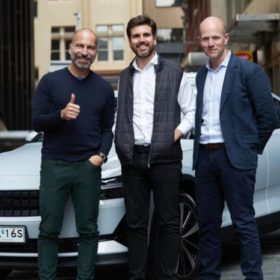
Uber announces plan to accelerate rollout of EVs on Australian roads
Rideshare giant Uber plans to accelerate the roll out of electric vehicles in Australia, teaming with Sydney finance company Splend to put 500 more electric cars on Australian roads.
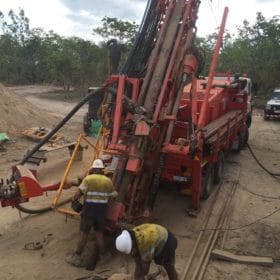
NT opens first lithium mine, supplying Tesla
Core Lithium’s Finniss Lithium Project just south of Darwin’s Port opened this week, supplying battery-grade lithium to electric vehicle giant Tesla, among others. Core Lithium plans to open processing facilities at the site by early next year.
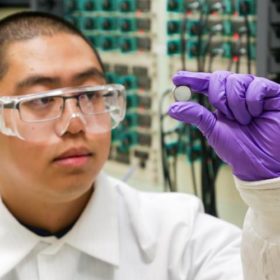
Novel anode material paves way for 15-minute EV charging
US researchers have developed a novel fast-charging battery anode material, and GM has revealed a new focus on battery R&D. The European Parliament, meanwhile, has issued a number of proposals for alternative fuels infrastructure.