Energy Estate looks to cavern storage for Hunter Hydrogen Network
Developer Energy Estate has signed a deal with Abergeldie Complex Infrastructure, which has designed vertical manmade caverns for hydrogen storage. Energy Estate co-founder Simon Currie says the partnership is about shoring up projects like its proposed 1.6 GW Hunter Hydrogen Network.
Standardised measurements for solar water-splitting for green hydrogen
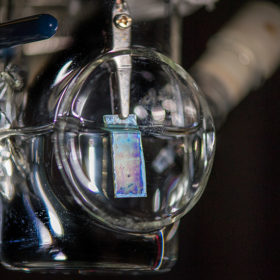
NREL and Berkeley Lab have proposed efficiency and stability best practices for solar water-splitting to make hydrogen, while a team of researchers from Malaysia and Pakistan have revealed their findings on the feasibility of hydrogen-based incineration.
FFI teams up with European heavyweight on green hydrogen for Australia, Latin America
Australian green hydrogen developer Fortescue Future Industries and Italian gas and electricity giant Enel are set to partner on making green hydrogen cost-competitive with fossil fuel alternatives this decade.
‘Just not going to happen’: big fails from hydrogen in Australia
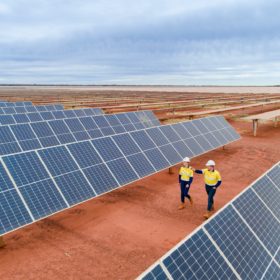
If the hydrogen economy was fuelled by announcements, it would be booming. In reality, little has come to operational fruition yet. More alarmingly, there is a complete “void of activity” in the Australia’s crucial early stage industry development, BayWa r.e. Australia’s Dr James Hamilton tells pv magazine Australia. “We’ve got a lot of ground to make up and if we don’t acknowledge that, we’re not going to make that ground.”
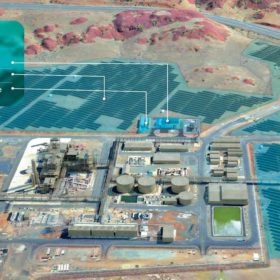
World first certification of green ammonia plant in Australia
There is almost a daily announcement about a major green hydrogen project being built somewhere in the world. Hydrogen and ammonia can be made from fossil fuels but also from renewable energy and water using an electrolyser producing zero carbon emissions. It is critically important that we can tell when it is zero emissions and prevent ‘greenwashing.’
FFI, BP among six companies offered land by WA government to kickstart hydrogen precinct
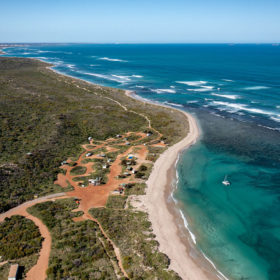
The Western Australian government has allocated six companies land in the state’s mid-west to develop green hydrogen projects, including Fortescue Future Industries and BP.
Longi eyes green hydrogen market in India
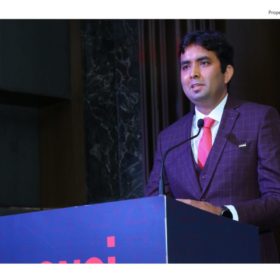
Longi is entering the green hydrogen market in India with new alkaline electrolyser offerings. It also plans to roll out a next-generation Hi-MO solar module later this year.
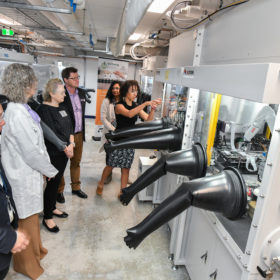
Victorian university opens ‘advanced’ battery hub for testing and manufacture
Victoria’s Deakin University today launched its $10.3 million (USD 6.5 million) “world-class” facility for advanced battery design, fabrication and testing, in Burwood, a suburb in Melbourne’s east.
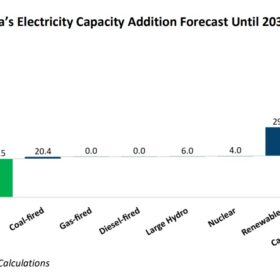
India expected to annually deploy 35-40 GW of renewables until 2030
Ambitious government targets and commitments by both private and state-owned companies will propel renewable energy installations.
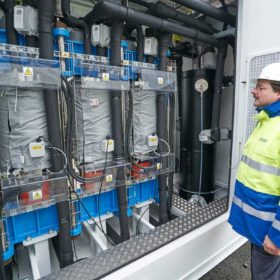
WA teams with ITM to explore electrolyser manufacturing potential
The Western Australia government is partnering with United Kingdom-based electrolyser manufacturer ITM Power and Germany’s Linde Engineering in a $450,000 (USD 278,106) study to develop a business case for the manufacturing of renewable hydrogen electrolysers within the state.