AEMC recommends rule changes to ready gas grid for hydrogen
The Australian Energy Market Commission has called for changes to be made to the national energy rules to allow for the injection of hydrogen into the existing gas distribution grid to support the needs of a transitioning energy market.
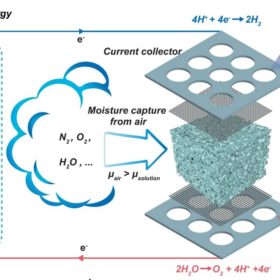
PV-powered electrolysis module to produce hydrogen from moisture in air
A team of Australian scientists have developed a new way to produce hydrogen using water from the atmosphere. They claim their new module can ensure stable performance and provide green hydrogen for remote areas.
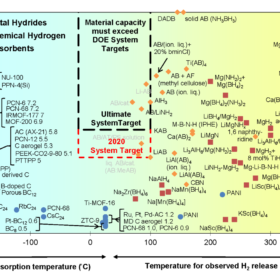
Solid-state hydrogen storage techniques at a glance
Scientists compared hydrogen storage techniques and found that physical methods are closer to commercial feasibility, while materials-based techniques have strong potential.
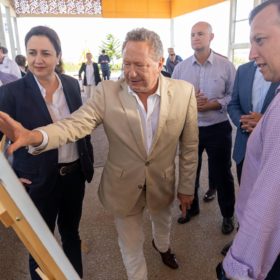
Fortescue’s 2 GW electrolyser factory is just the beginning
Newly appointed CEO of Fortescue Future Industries Mark Hutchinson has made it clear that demand for green hydrogen has already far outstripped the company’s upcoming 2 GW electrolyser factory in Gladstone, Queensland. The announcement of new investments in green hydrogen plants from Fortescue Future Industries is now expected in the near future.
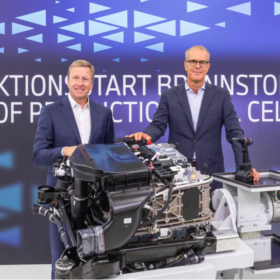
BMW starts in-house production of fuel cells for iX5 Hydrogen
BMW Group said it is targeting the premium segment with its iX5 Hydrogen car, Topsoe revealed that it will invest US$267 million (AU$392m) to build the world’s largest SOEC electrolyzer plant in Denmark, and Bosch announced plans to invest US$200 million (AU$292m) in US fuel cell production.
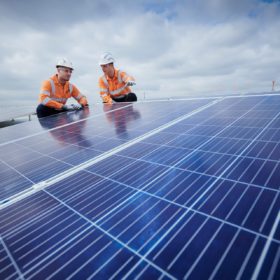
Countrywide teams with Wirsol on solar-to-hydrogen opportunities
Aspiring green hydrogen manufacturer Countrywide Hydrogen will explore solar-to-hydrogen co-development opportunities in the island state of Tasmania after inking a deal with large-scale solar PV and battery energy storage specialist Wirsol Energy, which already operates a portfolio of Australian projects with a combined capacity of more than 720 MW.
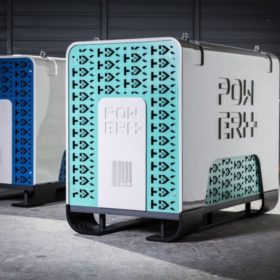
H2X goes to market with hydrogen electricity generators
Clean energy start-up H2X Global has notched a major milestone with the first of its hydrogen-powered generators – built to replace traditional fossil-fuel fired gensets and provide green electricity for emergency supply and off-grid operations – released to the Australian market.
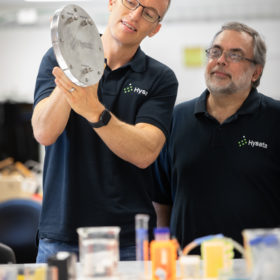
Wollongong university green hydrogen breakthrough team awarded grant for cell extracting hydrogen in methane
The University of Wollongong professor behind the capillary-fed electrolyser breakthrough now being commercialised by Hysata has received grant funding to develop a cell for extracting pure hydrogen from methane mixtures.
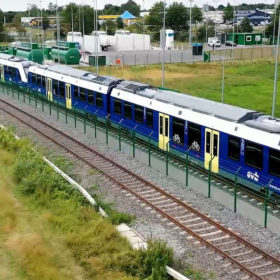
Germany launches world’s first operating hydrogen trains
Germany has launched the world’s first operational hydrogen trains and US researchers have presented a novel design for a tubular PEM fuel cell. ABB and Hydrogen Optimized, meanwhile, have expanded their strategic ties and Slovakia has moved forward with a major gas-blending pilot project.
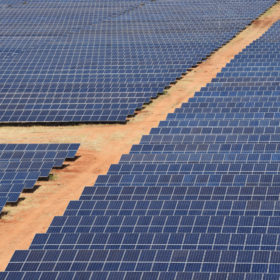
$7.2 billion investment in green hydrogen, ammonia plant in India from Avaada
Ravi Verma, senior executive vice president of Avaada, told pv magazine the group will invest US$5 billion (AU$7.18 billion) in an integrated green hydrogen and ammonia plant with 6 GW of captive renewables capacity. The green ammonia facility will have a production capacity of 1 million tonnes per year.