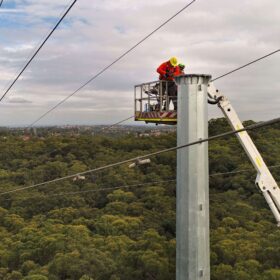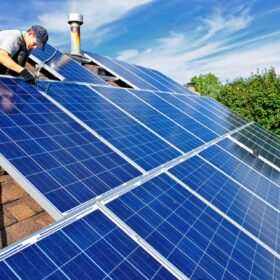
Future energy systems must compensate rooftop solar generation fairly
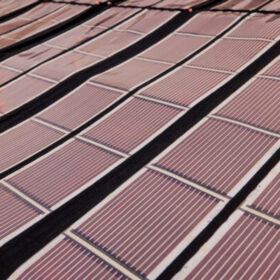
The most important energy cost is not what a corporation pays to produce or generate it, but what a consumer pays to buy it. That’s why the delivered cost of rooftop solar and batteries – and the other benefits these technologies provide to the system – need to be factored in when making investment decisions.
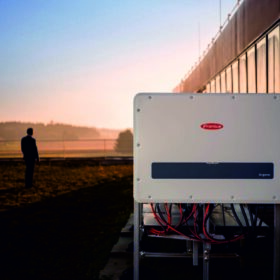
Fronius presents new inverters for C&I projects
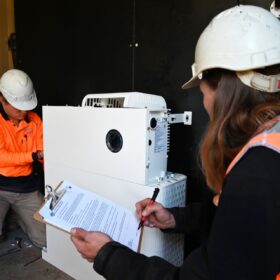
The Austrian manufacturer said its new Argeno inverter features an efficiency of 99.1%, a European efficiency of 98.7%, and a rated AC power output of 125 kW.
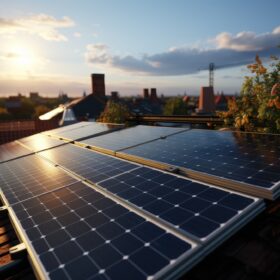
Planets align for Australia’s first live DER integration into wholesale markets
Manager of Western Australia’s South West Interconnected System Western Power has been allocated $20.8 million from the Australian Renewable Energy Agency for its Project Jupiter, which for the first time in Australia will integrate a live distributed energy resources marketplace with wholesale markets.
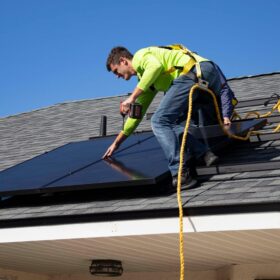
Distributed solar on a roll breaking output records nationwide in Q4
Like a gift that keeps on giving across Australia’s electricity markets, distributed solar has punched yet again above its weight to break records in the close out of 2024, according to a new report from the Australian Energy Market Operator.
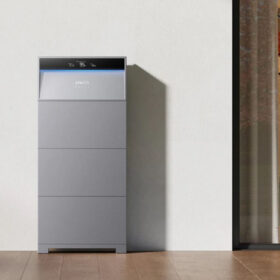
Anker backs Solix energy storage system for Australian conditions
Chinese electronics manufacturer Anker has declared its Solix X1 AC-couple energy storage system perfectly suited for Australia’s diverse geography and climate conditions.
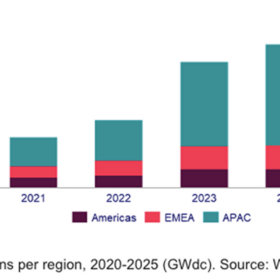
Wood Mackenzie tips solar growth to stagnate in 2025
Wood Mackenzie’s latest report forecasts that 493 GW (DC) of solar will be added throughout the world this year, compared to 495 GW in 2024. Solar module prices are expected to rise this year as manufacturers aim to recover profit losses from the past two years.
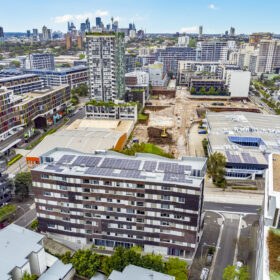
Allume’s upscaled manufacturing of SolShare to stay in Australia
Victoria-headquartered technology solutions company Allume Energy is choosing to scale up the domestic manufacture of its apartment building energy management system SolShare in Australia, saying the benefits far outweighs moving offshore.

China hits 277.17 GW of new PV installations in 2024
China’s cumulative installed solar capacity hit 886.66 GW at the end of 2024, with 277.17 GW of new annual installations, up 45.48% year on year. The deployment surge exceeded forecasts, setting a new historical record for PV installations.
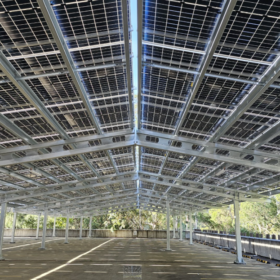
Solar canopy provides smart solution for on-site energy
Pharmaceutical giant AstraZeneca has transformed an underused space at its Sydney headquarters into a renewable energy asset with the installation of a 617 kW solar car shade.
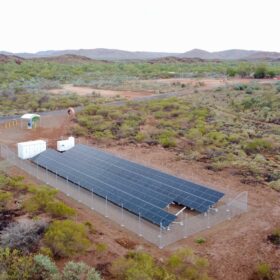
Remote solar-array powers EV charger 1,600 kilometres north of Perth
West Australian energy company Powerhouse has completed the install of a 60 kVA, off-grid solar array in the state’s far north, to power a remote electric vehicle charger as part of the 7,000 kilometre long WAEV Network project.