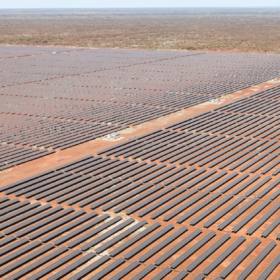
Fortescue targets 2-3 GW of renewables to achieve its Real Zero by 2030 goals
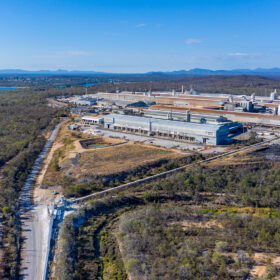
Fortescue’s climate transition plan outlines comprehensive details of how the mining giant is, and will 100% eliminate fossil fuels from their Australian iron ore operations by 2030 using a number of measures, including solar energy. The plan states Fortescue’s belief is that all business should follow their example in committing to a date when they […]
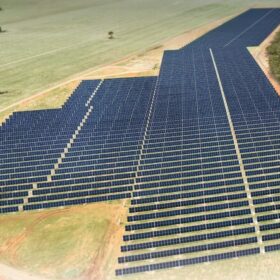
Regional South Australia sees 5 MW solar farm achieve 100% export
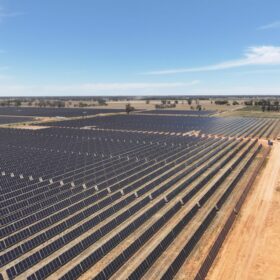
Renewables investment company Sustainable Energy Infrastructure has achieved 100% export on their latest 5 MW solar project in South Australia, with design and construction completed by engineer, procurement and construction partner YES Group.
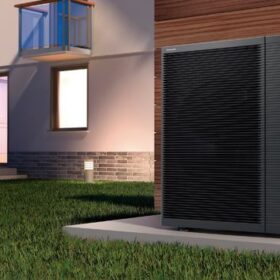
Panasonic testing smart thermostats in residential heat pumps
Panasonic will integrate new smart thermostats and an energy management software in its Aquarea system from November. The new solutions are also designed to enable PV system owners to manage their heat pumps based on local weather forecasts.
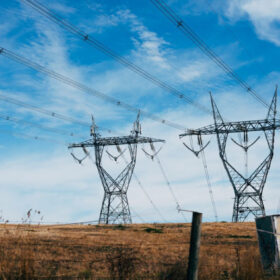
Central-West Orana renewables zone transmission operator’s licence granted
Australia’s first renewable energy zone , the Central-West Orana, 340 kilometres northwest of Sydney, is closer to delivering electricity to the grid following the granting of a New South Wales transmission system operator’s licence to the ACEREZ Partnership.
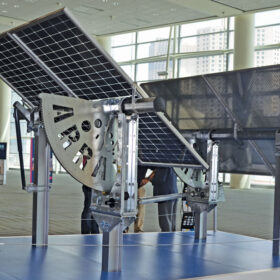
Array announces 77-degree solar tracker stow for hail and wind protection
Unites States solar tracker company Array Technologies has unveiled a solar mounting system that responds to weather events, protecting solar assets.

US solar industry on track to install 250 GW in five years
According to the United States Solar Market Insight Q3 2024 report, in the two years since passage of the Inflation Reduction Act the solar industry has added 75 GW of new capacity to the grid, representing more than 36% of all solar capacity built in nation’s history.
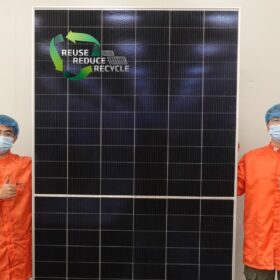
Trina Solar presents ‘fully recyclable’ 645 W PV module
Trina Solar claims it has developed the world’s first “fully recyclable” 645 W PV module with 20.7% efficiency. It made the panel with interlayer separation reagents, chemical etching technology, and wet chemical silver extraction tech.
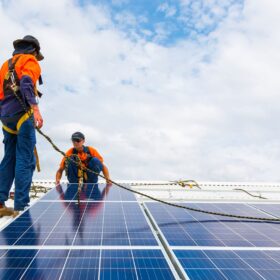
Rooftop solar surges ahead with 1.3 GW installed in H1 2024
Australian households and small businesses continue to spearhead the nation’s renewable energy transition with a new report revealing that 1.3 GW of rooftop solar was installed during the first half of 2024.
New added renewables capacity tipped to exceed 7 GW in 2024
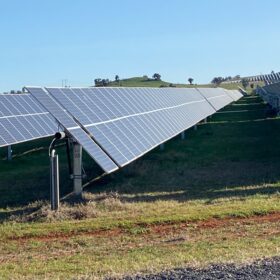
New data from the Clean Energy Regulator shows Australia is on course to add more than 7 GW of renewable energy generation capacity this year, almost double what was previously anticipated.

Reaping agrisolar success in Australia relies on policy reforms: report
A New South Wales-based Agrivoltaics Resource Centre report reinforces utility-scale developments can successfully co-exist with agriculture but improvements to development application processes could pave the way for better project outcomes.