Research reveals impact of agrivoltaics on soil properties
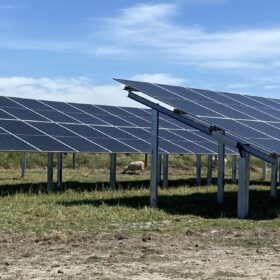
New research shows how agrivoltaic systems can reshape soil by altering moisture, temperature, and microbial activity, creating heterogeneous zones under and between panels. Proper design and management can boost soil health and crop resilience, especially in degraded or arid regions, though long-term effects remain uncertain.
New algorithm reduces solar module temperature during clipping, curtailment
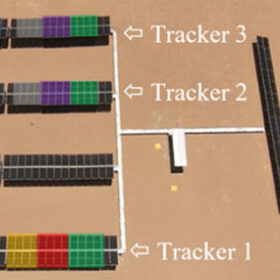
UNSW researchers have developed a thermal-aware tracking algorithm that reduces solar module temperatures and UV exposure during inverter clipping and curtailment, slowing degradation without lowering AC output. Tested in Chile’s Atacama Desert, the strategy was found to lower module temperatures by up to 7.7 C.
Solar energy chips in 16% of Victoria’s renewable energy target
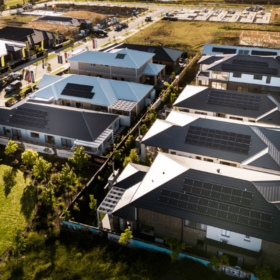
Solar energy has chipped in 16% of Victoria’s 40% 2025 renewable target, which itself has been smashed with green energy powering a solid 44.6% of the state’s electricity in that year.
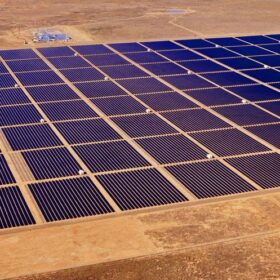
Western Green Energy Hub inks deal with global partners
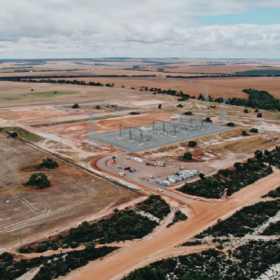
Western Australia green hydrogen development, the Western Green Energy Hub, has signed a feasibility phase agreement with Chinese and South Korean partners.
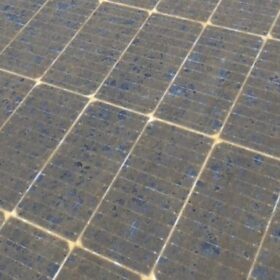
Chemitek offers solution for drone-based cleaning of agrivoltaics
The Portuguese company said its new Drone AgroPV Cleaning Agent is scheduled for release in June. It has a safe formulation for crops and soil.
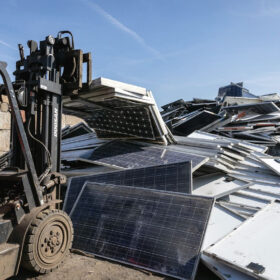
Sunset on solar waste: Have your say on solar panel reuse and recycling
A parliamentary inquiry into solar panel reuse and recycling is calling for written submissions on how Australia currently handles ageing and decommissioned solar panels, the scale of the current waste challenges and needs for future management.
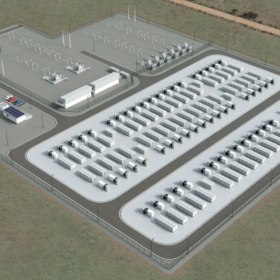
Revera Energy secures $213 million facility to accelerate pipeline in Australia
London-based clean energy developer Revera Energy has bagged a $213 million facility to accelerate a multi-GW pipeline in Australia and the United Kingdom.
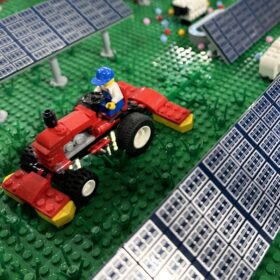
How to combine mechanised farming with agrivoltaics
An international study finds that successful agrivoltaic projects require farm-specific, holistic co-design that integrates solar layout with agricultural mechanisation from the earliest planning stages. Without proper alignment between machinery, crops, and solar systems, agrivoltaics risk major land loss, lower field efficiency, and higher operating costs, undermining farm profitability.

Fimer launches advanced solar array sizing simulation tool
Italian inverter manufacturer Fimer has launched a new advanced photovoltaic array sizing simulation tool that combines real site data with customer behaviour accessed through its cloud-based project management platform Aurora Vision.
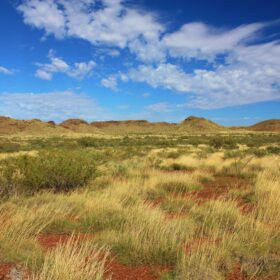
50 MW First Nations solar farm lands first customer
The Western Australia government has partnered with traditional owners of Ngarluma Country in the Pilbara, and Perth based conglomerate Perdaman, to progress the Ngarluma Green Energy Park with the development of a proposed 50 MW solar farm.