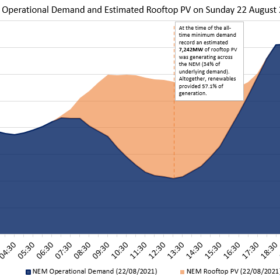
Solar eclipses coal for first time, setting renewable record
For the first time in the history of our national energy market, solar generated more electricity than coal, providing 41.4% of the national market on Sunday, while coal accounted for 41.2%.
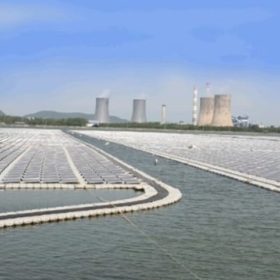
India’s largest floating solar project commissioned
The state-run energy company has commissioned a 25 MW plant on the reservoir at its Simhadri thermal power station, in the state of Andhra Pradesh. The installation features more than 100,000 solar modules.
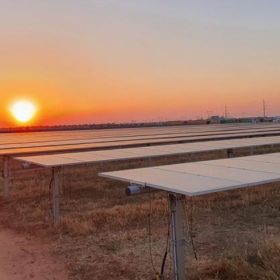
How Australia could save almost $7 billion on its energy transition
The risks posed to renewable-energy projects by Australia’s uncertain climate change policies and hamstrung regulators, have become a concerning brake on investment. Adjusting settings to reduce those risks would revitalise investor sentiment and vastly reduce the cost of implementing the country’s switch to renewables, says the Clean Energy Investor Group.
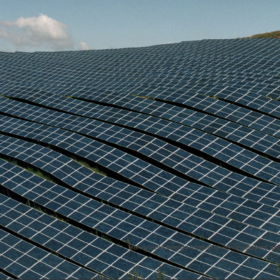
New net-zero-pursuing investors change Australia’s renewable-energy development game
Imperatives meet opportunity. Corporate and utility goals for sustainability are driving a new group of investors to pick up the Australian renewable-energy resource and run with it. A new PwC report outlines how the new investor-developer partnerships could work.
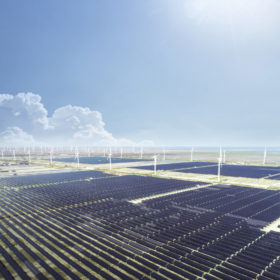
Sunday read: China’s battery storage awakening
China’s efforts to shift electricity generation from a coal-dominated system to a greener mix of renewables is not only centred on wind, solar and other technologies – the country is also rapidly pursuing energy storage. Vincent Shaw reports from Shanghai.
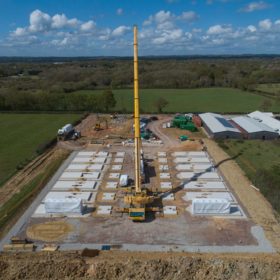
Energy storage projects attract attention of global EPC giant
With large-scale battery developments emerging as an increasingly important component of Australia’s energy mix, India-headquartered multinational Sterling and Wilson Solar has revealed plans to expand its renewable energy offerings to include providing engineering, procurement and construction solutions for energy storage projects.
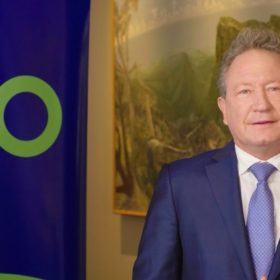
Twiggy Forrest’s green hydrogen ambitions will require renewables at 3x Australia’s total energy consumption
In a campaign style speech, Andrew ‘Twiggy’ Forrest, founder of Fortescue Metals and one of Australia’s richest men, outlined his ambition of producing mammoth quantities of green hydrogen, a task he sees as imperative to stop the “planet cooking” while also cornering a market he believes will soon be worth trillions.
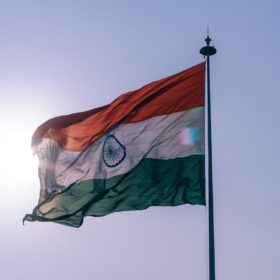
India hits 100 GW renewables milestone
Solar’s share in the installed 100 GW renewable energy capacity stands at around 44%, and wind at 40% as per the data available from India’s Central Electricity Authority.
Saturday read: Dirty double standard on display
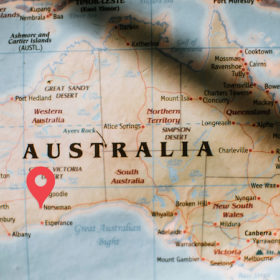
Australia’s proposed 26 GW Asian Renewable Energy Hub has encountered what appears to be a governmental double standard, as the country’s environment minister has rejected an expanded proposal. Thankfully, the project’s proponents have not become discouraged in the face of this double standard; in fact, they’re doubling down.
Australia’s biggest solar farm opts for AI-powered bidding platform
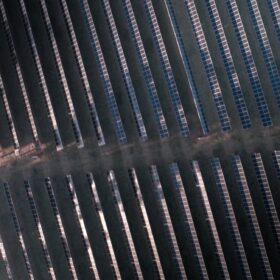
The operators of Australia’s largest solar farm have turned to a software-based bidding solution as they seek to optimise dispatch and manage the facility’s market trading and power purchase commitments amid increasingly market volatility.