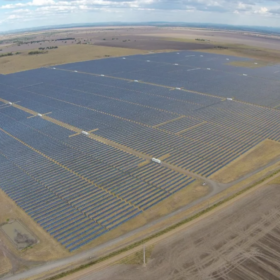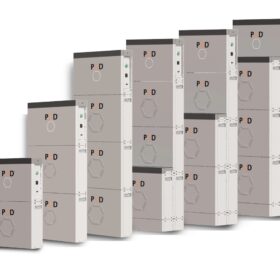
PowerCap takes its sodium-ion battery tech to Europe
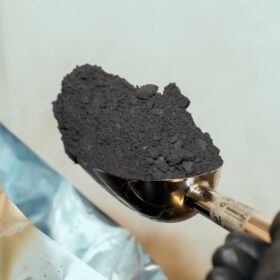
After witnessing strong demand for its sodium-ion technology in Australia, Queensland company PowerCap is taking its stationary energy storage products to the European market. The initial launch will cover Italy, Germany, and Spain, with further expansion on the cards.
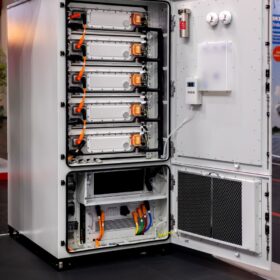
GoodWe launches 125 kW/261 kWh all-in-one C&I battery
GoodWe has introduced a 125 kW / 261 kWh all-in-one battery for commercial and industrial use in China, with applications spanning factories, farms, EV charging stations, commercial sites, and grid or off-grid systems.
$500 million program launched to boost battery manufacturing sector
The Australian Renewable Energy Agency has launched a $500 million initiative aimed at supercharging Australia’s battery manufacturing industry and seizing opportunities associated with the global renewable energy transition.
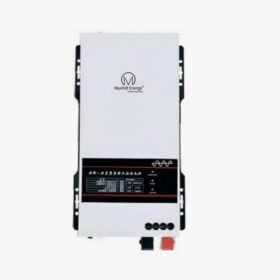
MaxVolt launches smart inverter with inbuilt lithium battery
The Indian battery manufacturer has launched a wall-mountable, high-efficiency inverter with inbuilt lithium battery for residential and commercial solar applications.
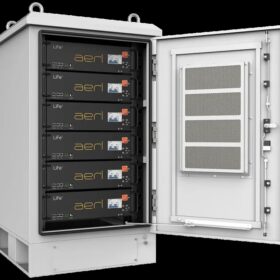
AERL secures CEC approval for 5.12 kWh modular battery
Energy technology manufacturer Australian Energy Research Laboratories has announced that its 5.12 kWh LiFe2 modular battery has been approved by the Clean Energy Council, making it eligible for state and federal government rebates.
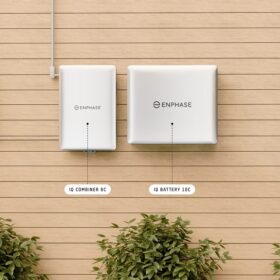
Enphase launches fourth-gen energy system with new 7.08 kW battery
Enphase Energy has introduced its fourth-generation energy system with the new 7.08 kW IQ Battery 10C, which offers 10 kWh of usable energy. The battery expands the company’s storage portfolio and is made with United States components by a contract manufacturer.
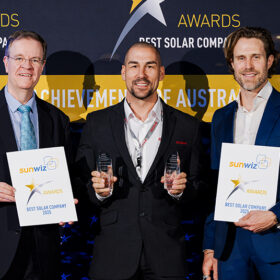
GoodWe named top Inverter and battery manufacturer in Australia for 2025
GoodWe has been awarded the number two slot for inverter manufacturing and a top five battery manufacturer in Australia for 2025, according to the rankings released by Sunwiz.
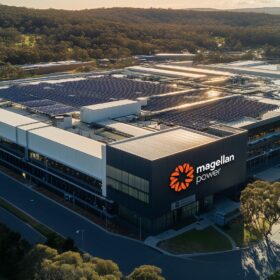
Perth battery manufacturer plans major expansion
Perth-based energy storage and off-grid power system specialist Magellan Power has launched a $15 million funding round to boost its manufacturing capabilities and support a “significant expansion” of its operations across Australia.
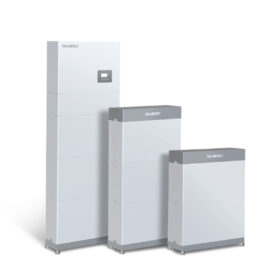
DMEGC releases new series of residential all-in-one storage systems
The Chinese company stated that its new H02 product line is available in either single-phase or three-phase configurations. It comes with a different number of 5.12 kWh batteries.
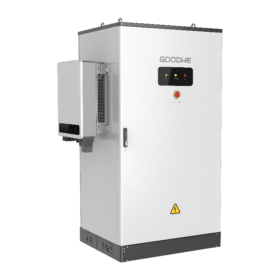
GoodWe launches scalable C&I battery system with 100 kWh+ capacity
GoodWe has released its BAT series battery cabinet for small to mid-scale commercial projects, with two capacities at launch at 102.4 kWh and 112.6 kWh, and outdoor use in mind.