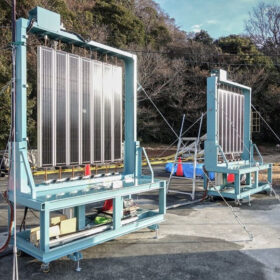
BIPV concept integrates louvres to enhance power production
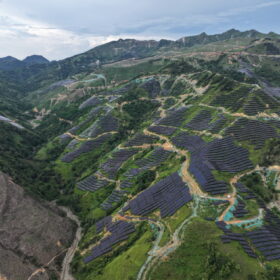
Scientists have proposed a building-integrated PV system that integrates airflow to cool the panels and control room temperature. The system, which also acts as a shading device, can reportedly mitigate drops in power generation efficiency without additional energy consumption.
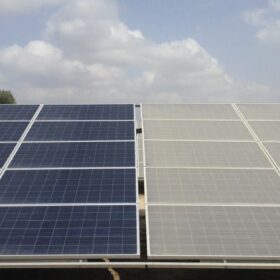
Wind tunnel tests show spacing between panels is key to reduce soiling
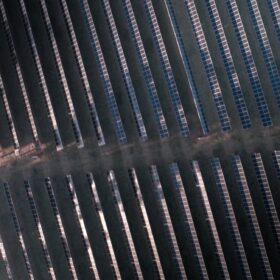
Scientists have placed four PV panels in a 21-metre wind tunnel and run different tests regarding tilt angles, mounting height, spacing, and incoming flow direction. They found that when the spacing between panels exceeds twice the panel height, the mutual influence on dust deposition becomes negligible.
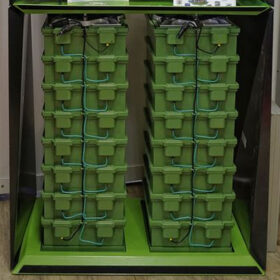
Sodium-ion batteries face uphill struggle to beat lithium-ion on cost
A new Stanford University study finds that there are several key routes that sodium-ion battery developers can take to compete on price, specifically against a low-cost variant of the lithium-ion battery known as lithium iron phosphate (LFP).
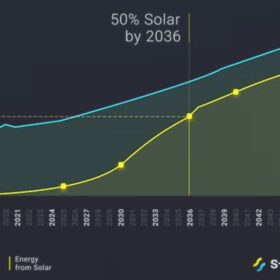
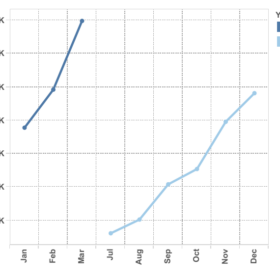
New tool tips solar to supply 50% of global energy demand by 2035
Solar energy will satisfy more than 50% of global energy demand within a decade according to a new modelling tool that also predicts solar costs will continue falling by 10% a year.
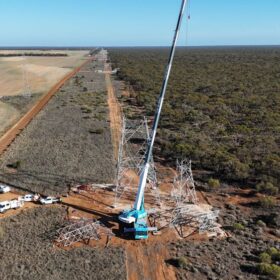
Costs climb for NSW-SA grid interconnector
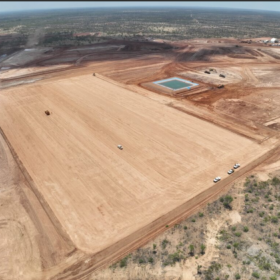
Transgrid has confirmed the cost of the New South Wales section of Project EnergyConnect has climbed to $3.6 billion, well above the $1.82 billion price tag that was originally approved.
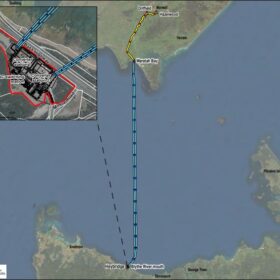
Marinus Link lodges DA as project costs continue to climb
Plans to build a new electricity transmission link between Tasmania and mainland Australia have progressed with Marinus Link Pty Ltd lodging a development application for a converter station to be built in Tasmania’s northwest.
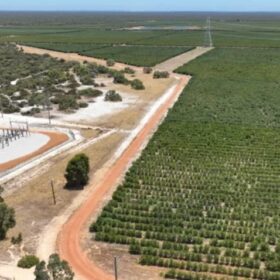
Western Power taps Genus to lead Clean Energy transmission project
Energy infrastructure provider GenusPlus Group has landed a $270 million contract to deliver a “critical” upgrade of Western Australia’s main electricity network as part of the state government’s plan to unlock existing renewable generation capacity, and allow the addition of new renewables to facilitate the retirement of coal-fired generation.
$1.2 billion loan revs Novonix plans for second US production plant
Australian-listed battery materials and technology company, Novonix, has bought land in Tennessee, USA, to expand existing operations there with a second mass production plant, funded in part with a $1.2 billion US Department of Energy loan.
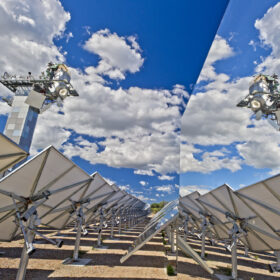
Hydrogen pilot plant aquires linear Fresnel concentrated solar system
Sparc Technologies’ South Australian green hydrogen pilot plant is on track to commence construction in early 2025, following a formal commitment to Stage 2 of the project with industry partners, and procurement of a linear Fresnal concentrated solar system.
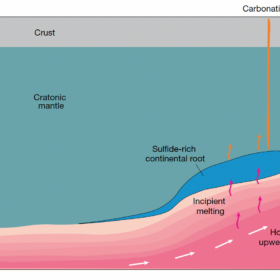
Hot spots for critical minerals needed for green economy unlocked: study
University researchers have identified probable locations for critical metals needed to support a green economy by studying how critical metals accumulate at the margins of old cores of continents.