K2 Systems releases new mounting systems for ground-mounted PV
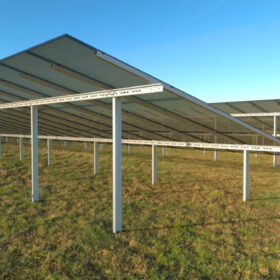
The German manufacturer launched two mounting systems for utility-scale solar projects and small- and medium-scale installations, respectively. Both are designed to streamline installation with simplified components and modular layouts.
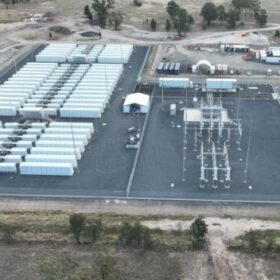
Akaysha targets Germany with Copenhagen Energy development partnership
Australian battery storage developer Akaysha Energy makes a sizable move into Germany as it continues to grow its global energy storage system portfolio.
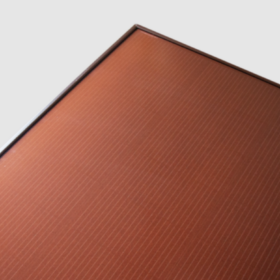
Solar Fabrik launches 400 W red-brown module for heritage roofs
Solar Fabrik has introduced a 400 W red-brown glass-glass PV module designed to meet strict aesthetic requirements for historic and protected buildings, offering a 20.02% efficiency and compatibility with traditional tiled rooftops.
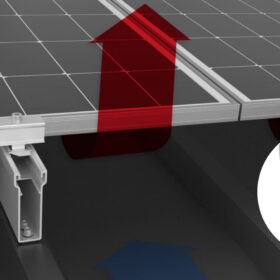
K2 Systems unveils elevated PV mounting solution for metal roofs
The K2 MultiRail High mounting system is a one-piece elevated solution with a height of 100 mm tailored to improve rear ventilation on metal roofs. K2 Systems says greater distance between modules and metal roof surface improves airflow and lowers module temperature, which can translate to higher annual energy yield.
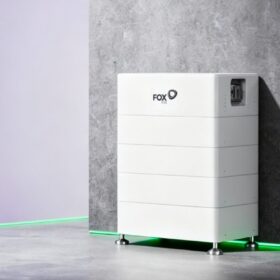
Energy Storage Inspection 2026: Fox ESS, SMA, SAX Power, Kostal and BYD impress with high efficiency
The energy storage efficiency of 12 solar storage systems with capacities of 5 kW or 10 kW has been put to the test, including several new products, all of which achieved efficiency class A. The latest interation of the annual study also examined efficiency losses when storing electricity from the grid and took a closer look at the warranty conditions of the devices.
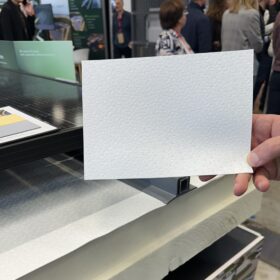
Renolit showcases reflecting cool roof membrane for bifacial rooftop PV
Renolit France has introduced the Alkor Bright reflective membrane for bifacial rooftop PV systems, offering high solar reflectivity and durability for flat or pitched roofs. The membrane helps keep buildings cooler while boosting the energy output of bifacial solar modules.
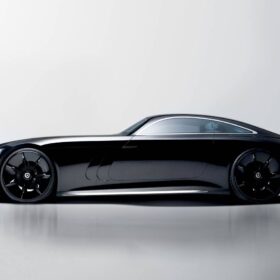
Mercedes unveils car with 20% efficient ultra-thin solar coating
Mercedes-Benz has unveiled a prototype car with a silicon-free, 20%-efficient nanoparticle solar coating that powers the vehicle even when off and uses modules thinner than a human hair.
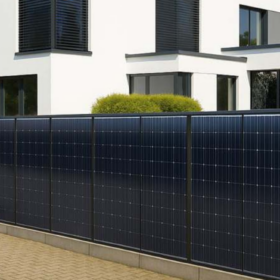
Clickcon launches solar PV fence for residential, commercial sites
Germany-headquartered mounting system specialist Clickcon has developed a new vertical ground-mounted system compatible with commercially available framed PV modules.
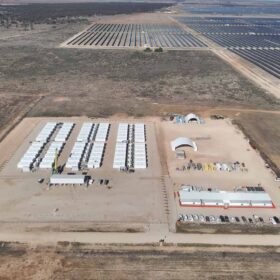
Australia’s first eight-hour battery registered with AEMO
Australia’s energy transition has reached a new milestone with the nation’s first eight-hour duration battery energy storage system now registered and eligible to begin commissioning and testing ahead of commercial operation.
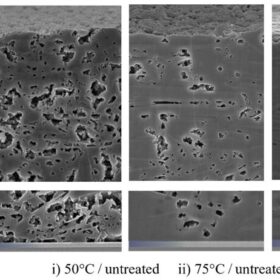
Perovskite solar cells with laminated carbon electrodes reach 20.4% efficiency
Scientists in Germany report a method to boost performance of perovskite solar cells made with laminated carbon electrodes that are compatible with typical hole transport layers.