The panel and the city
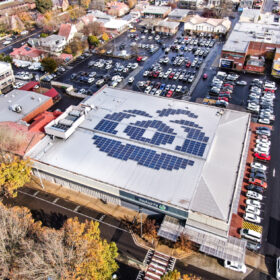
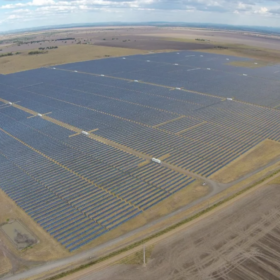
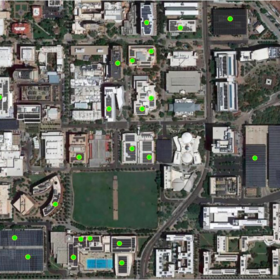
U.S. researchers have investigated how rooftop PV systems may affect air and building temperature in urban environments and, conversely, how the urban heat island (UHI) effect may have a negative impact on PV system performance. Their work considered urban air temperature, urban air pollution, the partial shading of the PV system, soiling, building heating and cooling loads, and outdoor shade.
AusNet shareholders overwhelmingly approve $18 billion sale
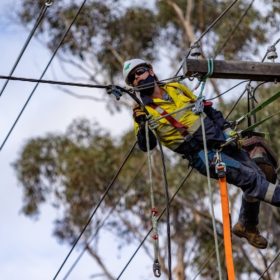
Victorian network utility AusNet Services appears certain to be entirely foreign owned after shareholders overwhelmingly approved the sale of the company to a consortium led by Canadian asset management group Brookfield.
Tesla Energy results up, but mixed, for 2021; solar makes nary a sound on quarterly call
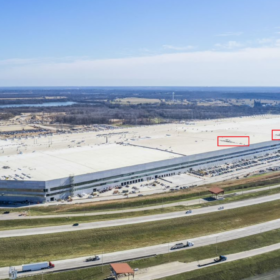
On the company’s Q4 earnings call, the world-leading EV manufacturer again prioritised delivering cars over growing low-margin energy storage products, while solar products were barely noted. Both verticals grew though, solar by 68% and storage by 32%.
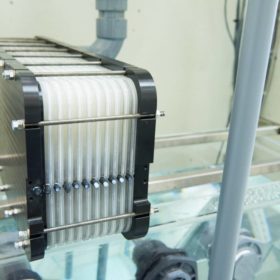
Zinc-air battery and PV to power apartment complex
A 100kW/1.5MWh zinc-air battery will be installed in Queens, New York, in combination with a combined heat and power system and a PV array. The pilot project is intended to demonstrate the long-duration energy storage capability of the zinc-air battery.
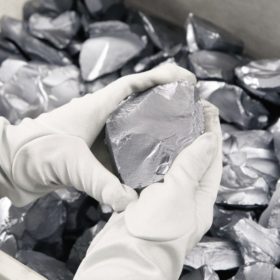
Full solar value chain relief is on the way, says ROTH Capital
Philip Shen, managing director of ROTH Capital Partners, hosted top analysts from PV InfoLink to discuss their outlook on pricing, supply and demand at each step in the solar value chain.
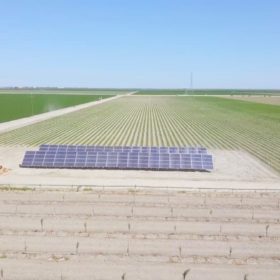
Pulling fertiliser out of thin air with PV
Nitricity has developed an experimental plasma reactor that uses PV electricity to produce competitively priced, environmentally clean, nitrogen fertiliser. Its onsite fertiliser production eliminates emissions from transport, and provides a viable alternative to fossil-based nitrogen fixation methods like the Haber-Bosch process.
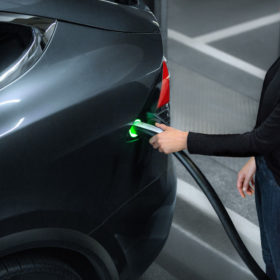
Tesla turns to Australian company to secure material for its EVs
Electric vehicle giant Tesla has inked an offtake deal with Australian miner Syrah Resources to supply battery-ready graphite as concerns over raw materials shortages continue.
Weekend read: Indium – sustainability, not supply
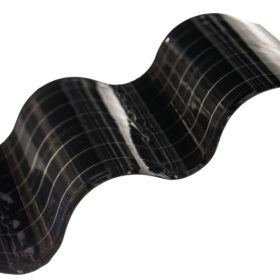
The supply of indium, both for layers in silicon solar cells and some thin-film PV technologies, is increasingly seen as a future potential bottleneck that solar and other industries relying on the material will have to manage. Resolving indium supply concerns may be a case of rethinking mining waste and recycling, reports Ian Morse.

Modelling finds building with WA company’s solar windows nearly eliminate operational emissions
Western Australian solar window company ClearVue says it has proven its products can reduce buildings’ carbon emissions by as much as 90%, qualifying the technology for the world’s most comprehensive future building standards for energy performance.
Improving compressed air energy storage efficiency via chemical reactions
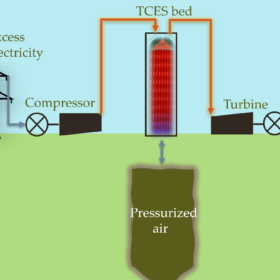
Scientists in the United States have proposed to use a thermochemical energy storage (TCES) technique that stores energy in chemical bonds to recover the heat produced during air compression operations. According to them, this innovation may increase the round-trip efficiency of compressed air energy storage to 60%.